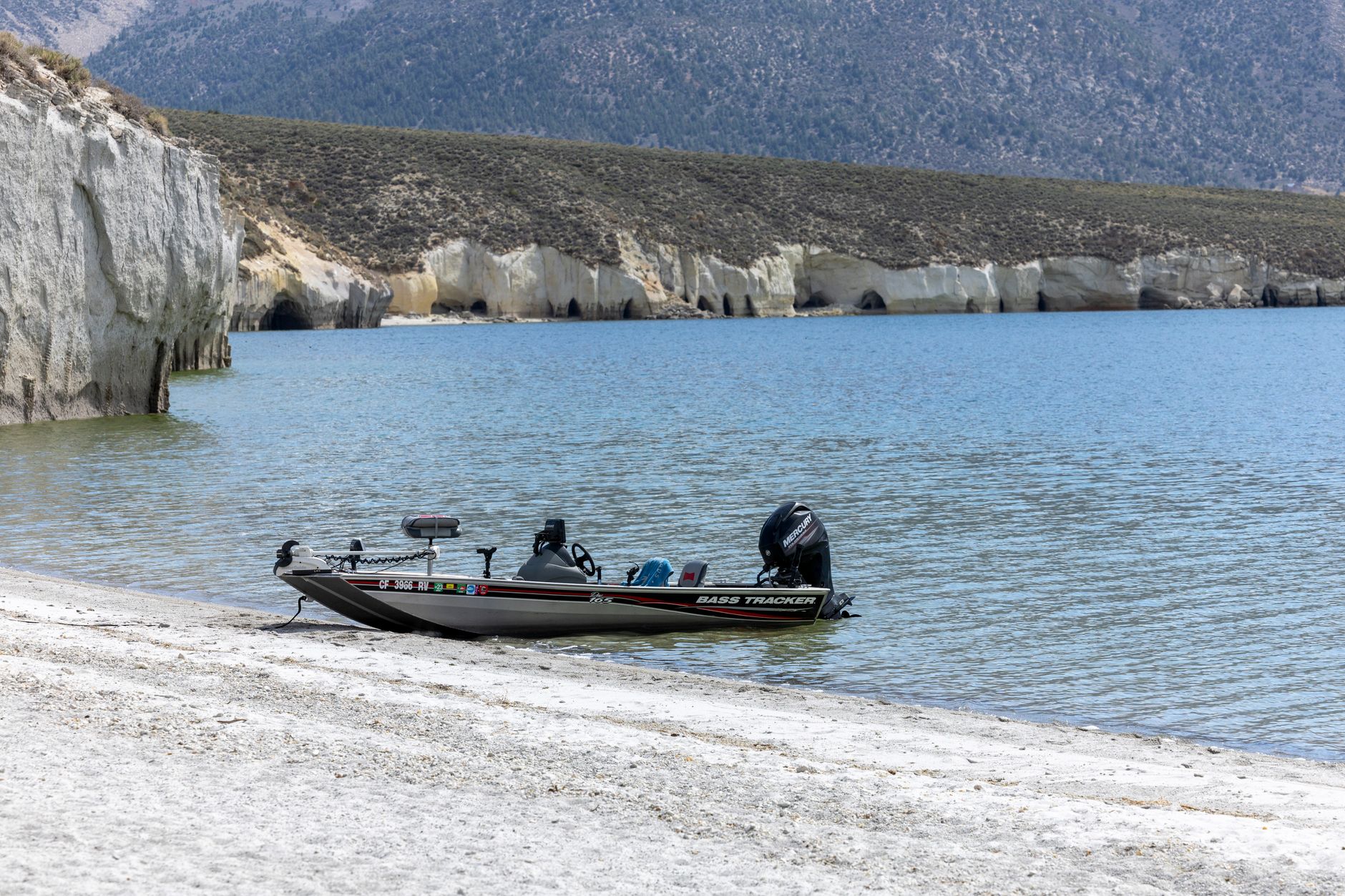
The forward-facing sonar argument has been running for years on anecdote, tournament gossip and angler surveys. Wisconsin researchers finally ran it as an experiment, and live sonar lost.
The design was straightforward. Across the summer of 2025, two teams of experienced anglers fished Nebish Lake in northern Wisconsin six days a week, in matched four-hour sessions. One team ran FFS and the other did not, then the teams swapped. Same anglers, same lake, near-identical conditions - which meant the researchers were measuring the technology and not the skill of whoever was holding the rod. Nearly 500 hours on the water produced more than 1,700 smallmouth bass.
The FFS sessions returned about 0.64 fewer smallmouth per hour.
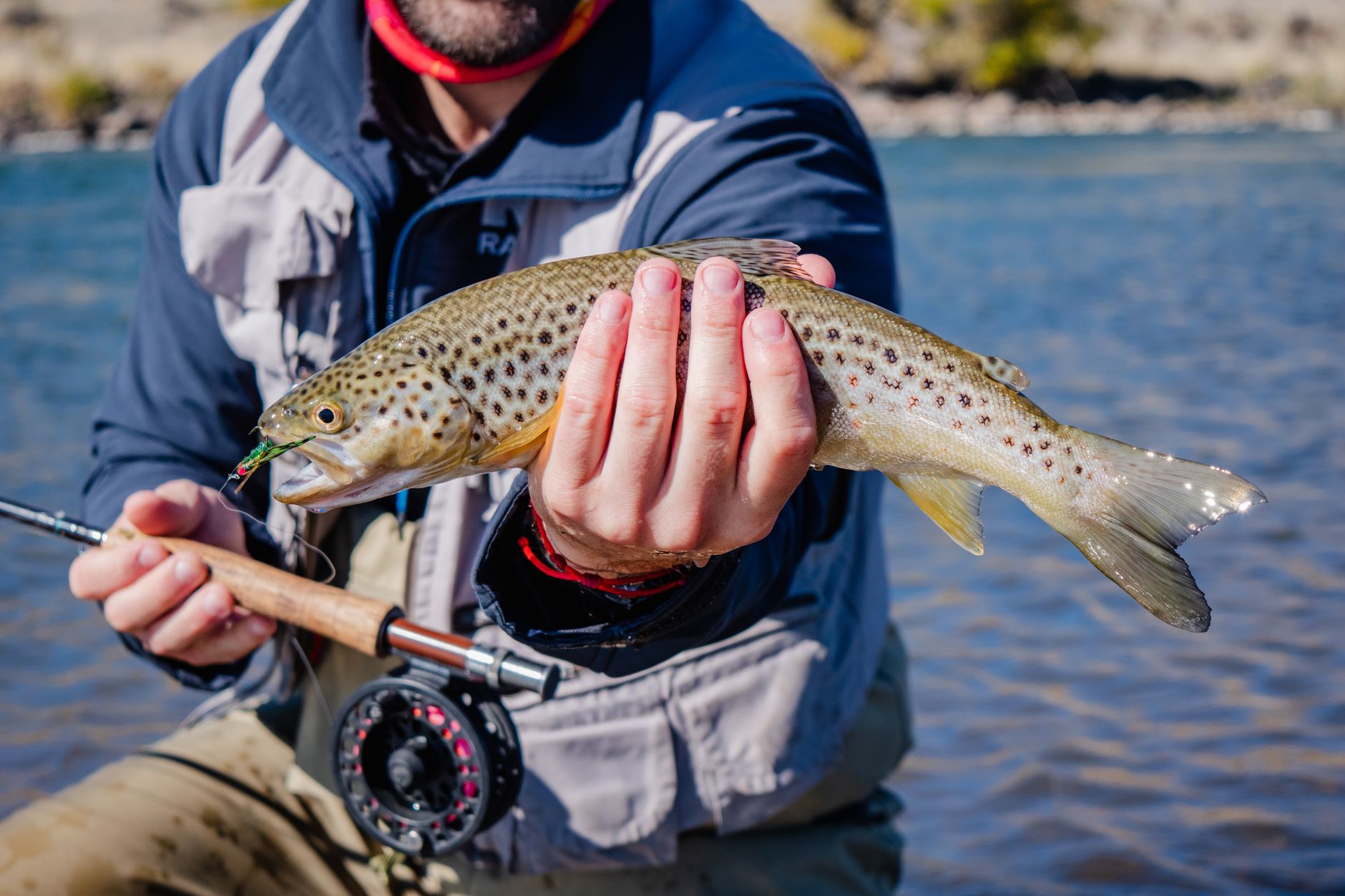
Why is the interesting part. GPS tracking showed sonar users covered less water and made more boat turns, breaking off continuous casting to search the screen for individual fish and set up on them. Time spent looking is time not spent fishing, and across a full summer that trade-off showed up in the totals.
Size told a different story. Bass caught on sonar averaged roughly an inch longer, a small but statistically real difference. The researchers think live imaging pushes anglers into offshore summer water - suspended fish chasing pelagic baitfish, well away from the rocky shorelines most people work - and those fish tend to be better. The biggest fish of each trip, though, showed only a weak link to sonar use.
The expected rebuttal, that catch rates improve with proficiency, did not appear in the data either. Extra days on the unit produced no clear learning curve within the study.
For regulators the headline conclusion is that these results do not support banning forward-facing sonar on the grounds that it dramatically lifts catch rates. The authors added the obvious qualifier: other work has found increased catches on crappie and largemouth, and the effect appears to swing with species, water and technique.
Run that against Minnesota and the picture muddies. Research published in Fisheries, involving the U.S. Geological Survey, the University of Missouri, the University of Louisiana and Memorial University of Newfoundland, put annual Minnesota freshwater harvest at roughly 36,000 tons - about 80 million pounds, against a state estimate of 30 million pounds that dates to 2001. A walleye bag limit cut from six to four is already scheduled for 2027.
The state's fisheries chief is not treating it as an emergency. "We have been looking at harvest over time, and we don't see over-harvest generally as a problem," Brad Parsons of the Minnesota DNR told the Star Tribune. "Even with the walleye bag limit change, this isn't a crisis we are trying to address. This is [...] to be good stewards and to be proactive."
Terry Thurmer, who has run a harbour on Mille Lacs Lake for more than 30 years, reckons about a quarter of the few thousand boats passing through each season now carry it. Big water with tight limits, he thinks, will cope.
"But it will cause holy hell on smaller lakes," Thurmer said. "Guys can get on a little lake they've never fished before and find panfish right away."
A University of Minnesota team is now three years and $676,000 into answering that, surveying anglers on how they actually use FFS, comparing it against conventional sonar in open water and through the ice, and modelling long-term depletion risk. Researcher Cam Mosley told MPR News the aim is to give managers real numbers before they write rules.
The tournament circuits have already moved without them. The NPFL bans FFS outright. MLF and Bassmaster have both imposed partial 2026 restrictions. Musky events banned it early; walleye and crappie tournaments allow it freely. MLF pro Mark Daniels Jr. spent 21 minutes on YouTube in June arguing the technology has ruined competitive bass fishing - an objection about fair chase that no catch-rate study, however well designed, is equipped to answer.