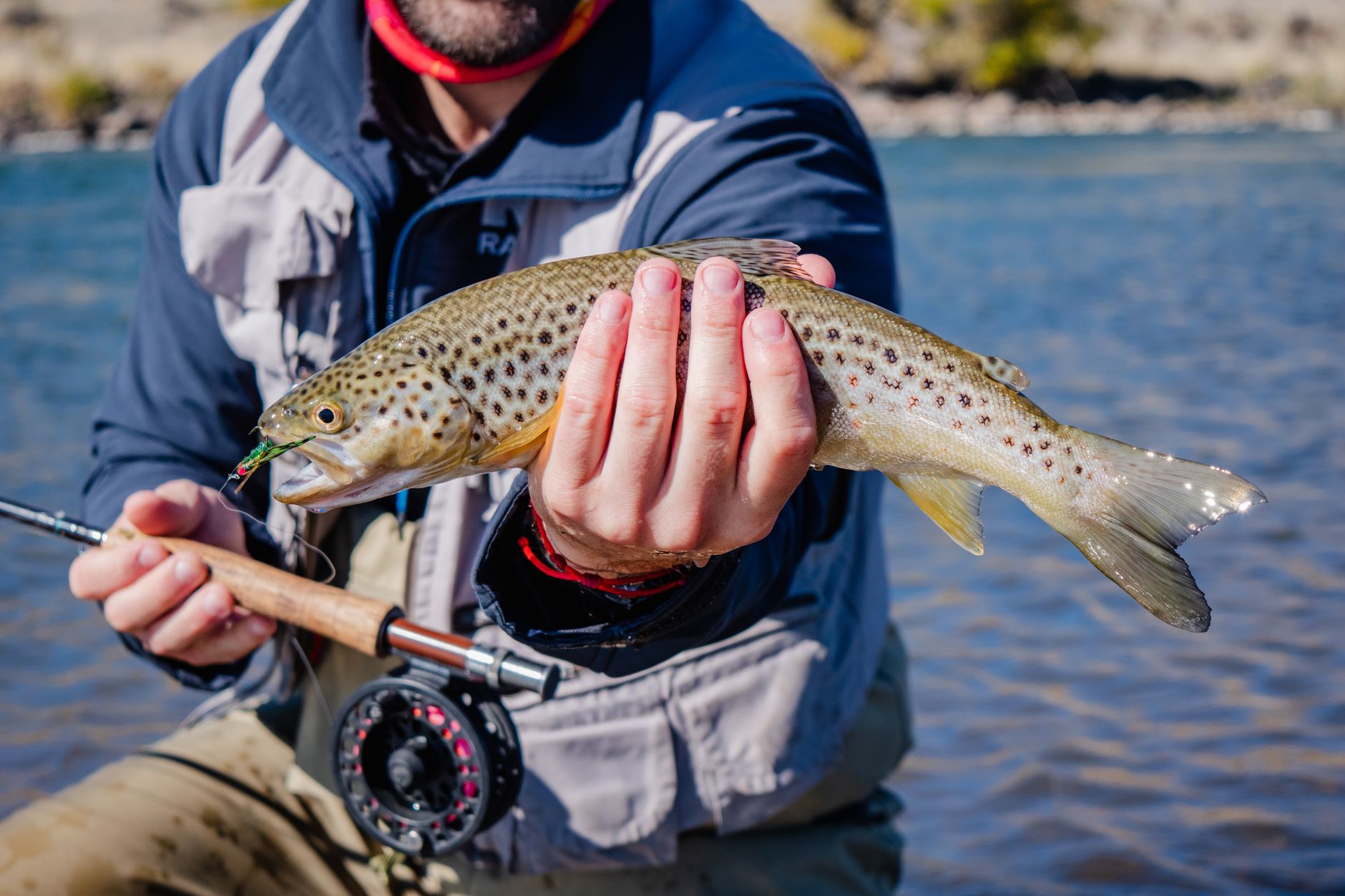
Seventeen catch-and-release state records have fallen in Idaho this year. The state managed about seven in each of the two years before it, and there are still five months left on the calendar.
Idaho Fish and Game expects the final figure to reach the low twenties.
"It has been a pretty remarkable year, and we got a big chunk of the year left so we think we will be in the low 20s," the department's Joe Kozfkay told Idaho News 6.
The catch-and-release category has existed since 2016, when 70 records went on the board almost overnight - the predictable result of opening a brand-new list with every species unclaimed. It thinned out fast. What has changed in 2026 is not that more anglers are filing paperwork on empty categories, but that the fish clearing existing marks are demonstrably bigger.
Kozfkay attributes that to deliberate work rather than a good run of weather.
"A lot of those records were produced in waters where we're actively trying to suppress other species to maintain the amount of prey available to these larger predators or to conserve native species," he said.
Suppress the wrong fish, leave more forage in the system, and the predators at the top grow into record class. Read that way, Idaho's record book is less a list of fortunate mornings than a slow readout of what the department has been doing to its waters.
The species mix supports the point. The year started on the ice at Henrys Lake with a Yellowstone cutthroat trout. A young angler pulled a chiselmouth out of the Salmon River. Payette Lake gave up a record lake trout. Northern Idaho has contributed a northern pike, a burbot, a cutthroat trout and a westslope cutthroat.
"There is a tremendous amount of diversity," Kozfkay said. "We have had hatchery support fish like rainbow trout in Dworshak Reservoir; we had a record there, and we have had arctic grayling stocked in high mountain lakes that produced a record."
Wade Jensen of Moore set that grayling mark, fly fishing Fishpole Lake on June 20. The oversized dorsal fin caught his eye first; the tape put the fish at 16.7 inches. He released it and filed within the window.
Daniel Whitesitt of Post Falls took the westslope cutthroat record on April 13, a 25-inch fish that ate a stonefly nymph on the Clark Fork River. The previous mark - 24 inches, set by Madison Nackos at Priest Lake in 2021 - went by a full inch after standing for five years.
The year's most widely reported catch belonged to a first-time visitor. Caroline Langdale, a hunter and angler from Georgia, landed a 30.5-inch brown trout on the South Fork of the Snake River.
"It doesn't take a record to make me happy, but it is certainly cool," Langdale said. "I'm just going to treasure that memory forever."
The rules are built to keep those fish in the water. Catch-and-release records are decided on total length, not certified weight. The fish must be released alive, and the application has to be with Fish and Game inside 30 days. It removes the incentive that filled older record books with dead trophies driven to the nearest certified scales.
Worth keeping in proportion: length records are easier to break than weight records, and a growing count partly reflects a growing awareness that the category exists. Seventeen records is not proof that Idaho's fisheries are healthier than they were two summers ago. But the concentration of those records in waters where managers have been actively engineering prey availability is a pattern that does not explain itself away as paperwork.