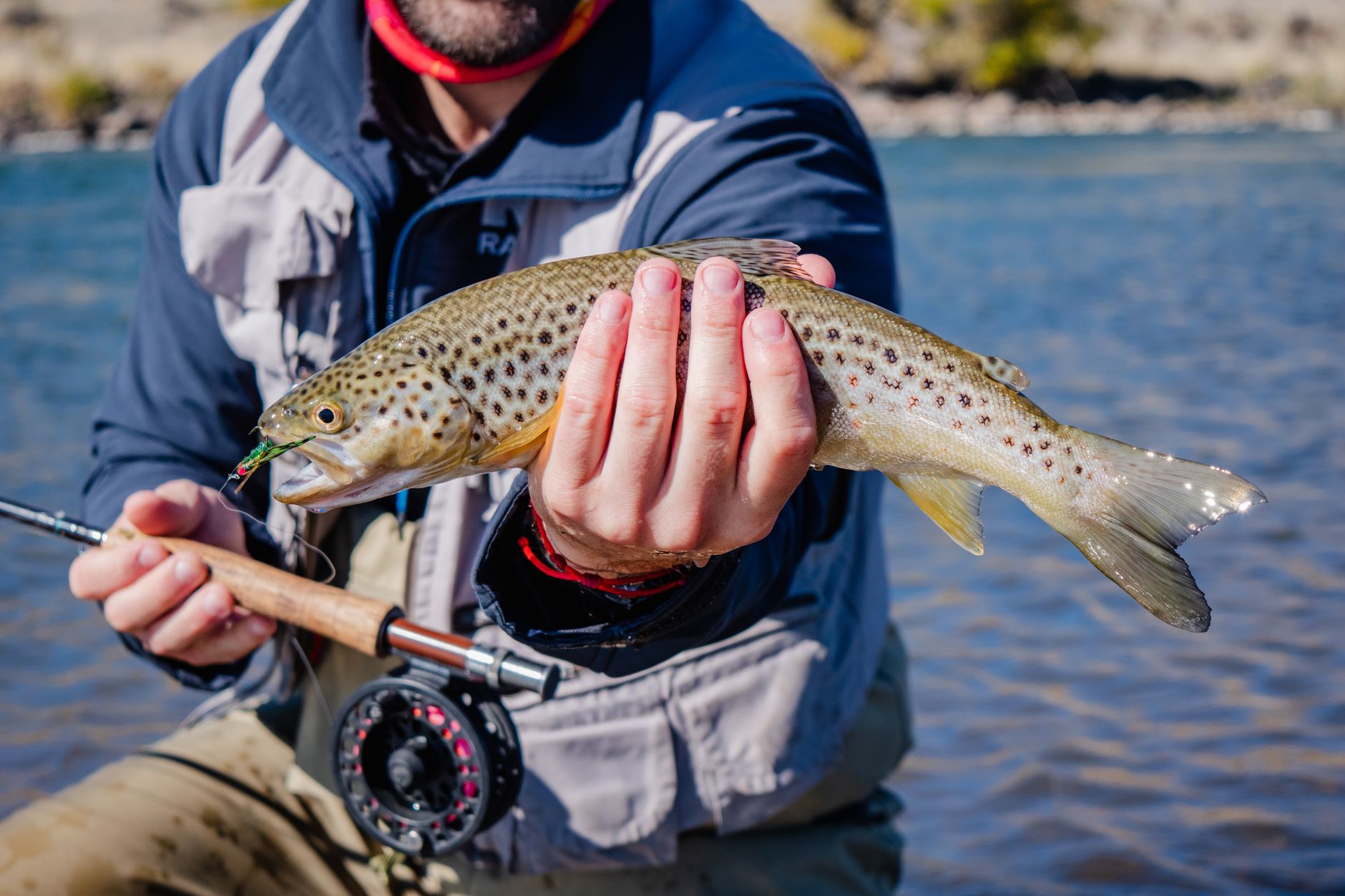
Idaho hands out a lot of fishing records in a normal year. This is not a normal year.
Anglers have set 17 catch-and-release state records so far in 2026. In each of the previous two years the figure was about seven. With five months still on the calendar, Idaho Fish and Game expects the final count to land in the low twenties.
"It has been a pretty remarkable year, and we got a big chunk of the year left so we think we will be in the low 20s," Joe Kozfkay of Idaho Fish and Game told Idaho News 6.
The department began documenting catch-and-release records in 2016, and that first year produced a flood of them - 70 records, largely because the category was new and almost every species was unclaimed. The number fell away in the years since as the easy marks were taken. What has changed recently is not the volume of entries but the size of the fish. The records that fall now fall because something genuinely larger swam into a net.
Kozfkay's explanation is management, not luck.
"A lot of those records were produced in waters where we're actively trying to suppress other species to maintain the amount of prey available to these larger predators or to conserve native species," he said.
That is a specific claim about a specific kind of water. Suppression work on non-native or overabundant species leaves more forage for the big predators, and predators with more to eat grow into record fish. It is also, in effect, an argument that a state record book is a readout of fisheries policy rather than a list of lucky mornings.
The 2026 list backs up his second point about diversity. It opened with ice fishing at Henrys Lake and a Yellowstone cutthroat trout. A young angler took a chiselmouth - a species most anglers could not identify on sight - out of the Salmon River. Payette Lake produced a record lake trout. Northern Idaho alone has yielded a northern pike, a burbot, a cutthroat trout and a westslope cutthroat trout.
"There is a tremendous amount of diversity," Kozfkay said. "We have had hatchery support fish like rainbow trout in Dworshak Reservoir; we had a record there, and we have had arctic grayling stocked in high mountain lakes that produced a record."
That grayling record belongs to Wade Jensen of Moore, who was fly fishing Fishpole Lake on June 20 when he landed a fish with a dorsal fin large enough to make him reach for a tape. It measured 16.7 inches. He released it and filed the paperwork.
The westslope cutthroat mark went to Daniel Whitesitt of Post Falls, who took a 25-inch fish on a stonefly nymph while fly fishing the Clark Fork River in northern Idaho on April 13. It beat the previous record of 24 inches, set by Madison Nackos at nearby Priest Lake in 2021 - a mark that had stood for five years before being cleared by a full inch.
One of the year's better-known catches came from a long way out of state. Caroline Langdale, a hunter and angler from Georgia on her first fishing trip to Idaho, took a 30.5-inch brown trout on the South Fork of the Snake River.
"It doesn't take a record to make me happy, but it is certainly cool," Langdale said on a call with Idaho News 6. "I'm just going to treasure that memory forever."
The catch-and-release category is deliberately built to encourage exactly that outcome. Records are judged on total length rather than certified weight, the fish has to be released alive, and the application has to reach Fish and Game within 30 days of the catch. It removes the old incentive to kill a potential record and drive it to a set of scales, which is how the biggest fish in a lot of state record books ended up dead.
There is an obvious caveat in the numbers. Length records are easier to set than weight records, entries have grown as more anglers learn the category exists, and 17 records does not by itself prove Idaho's fisheries are in better shape than they were two summers ago. But the pattern Kozfkay points at - records concentrated in waters where the department has been deliberately manipulating prey availability - is a harder thing to write off as paperwork. Anglers with 30-day deadlines and measuring boards are, between them, producing a rolling survey of what Idaho's management is actually doing to fish size.
On current pace the state will run out of 2026 before it runs out of records.