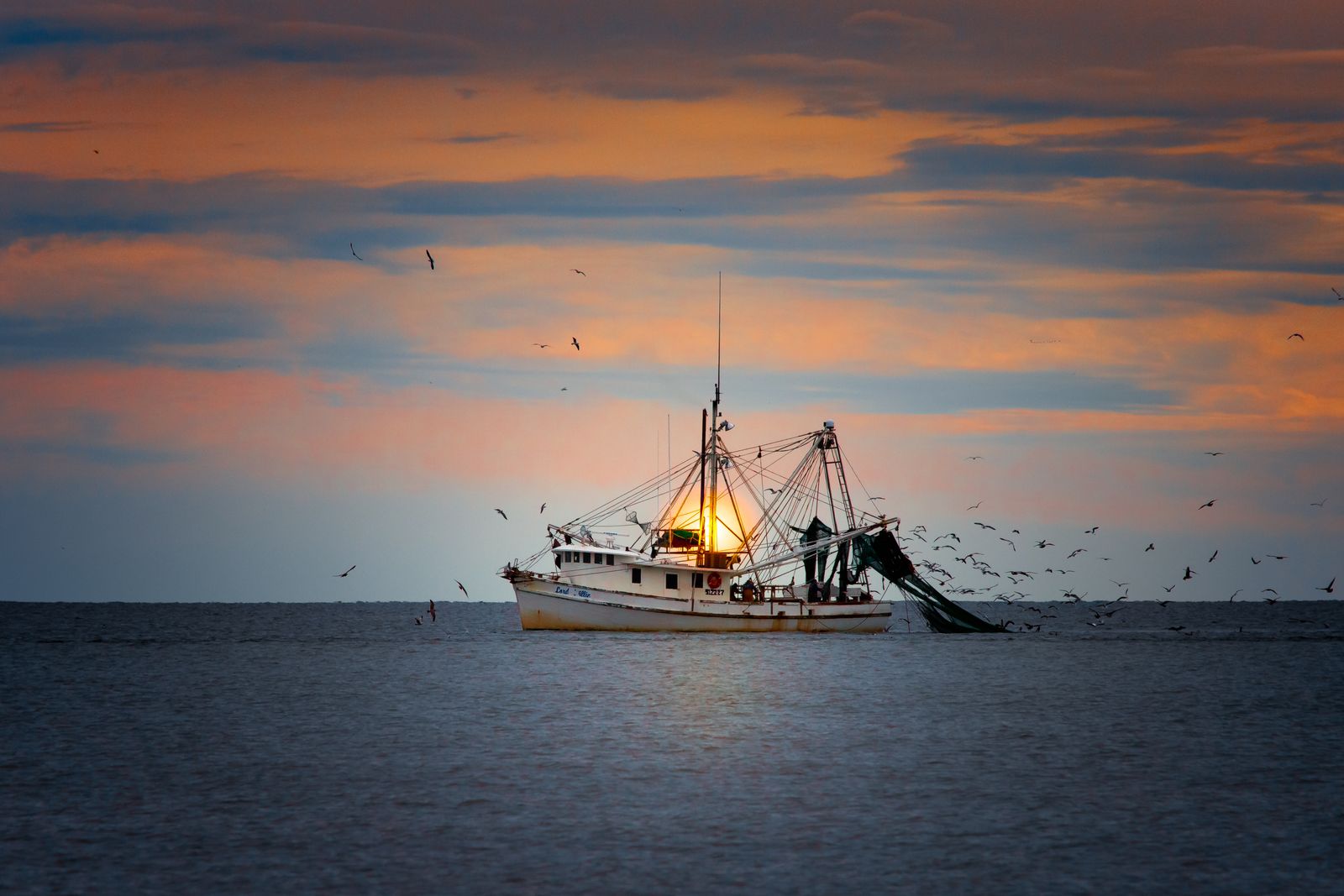
A Wake County judge has ruled that North Carolina broke its constitutional and public-trust duty to protect the fish in its own coastal waters, handing a win to a recreational fishing group and 86 individual residents who filed suit nearly six years ago.
Superior Court Judge G. Bryan Collins Jr. entered judgment for the plaintiffs on Monday, writing that the evidence "overwhelmingly established" decades of systemic failure in how the state manages coastal stocks. The 190-page order followed a trial that ran from 20 January to 25 February and drew testimony from fisheries scientists, current and former state staff, commercial and recreational fishermen, fishing guides and coastal residents.
Nothing changes on the water yet. The ruling does not ban shrimp trawling, restrict gillnets, close waters, or touch seasons, quotas or bag limits. Those questions land in a separate remedy phase; Collins ordered attorneys for both sides to meet within 30 days and file a joint scheduling report within 45.
The plaintiffs never asked for money. Coastal Conservation Association North Carolina and its co-plaintiffs sought a declaration that the state breached its obligations plus a forward-looking injunction requiring it to rebuild coastal fisheries.
Collins found breaches of the public-trust doctrine and of two constitutional provisions: Article I, Section 38, which preserves the right to hunt, fish and harvest wildlife for the public good, and Article XIV, Section 5, which sets a state policy of conserving lands and waters. A 2022 Court of Appeals ruling had already held the state carries an affirmative duty to preserve the public's right to fish, and Collins said that decision fixed the law he had to apply.
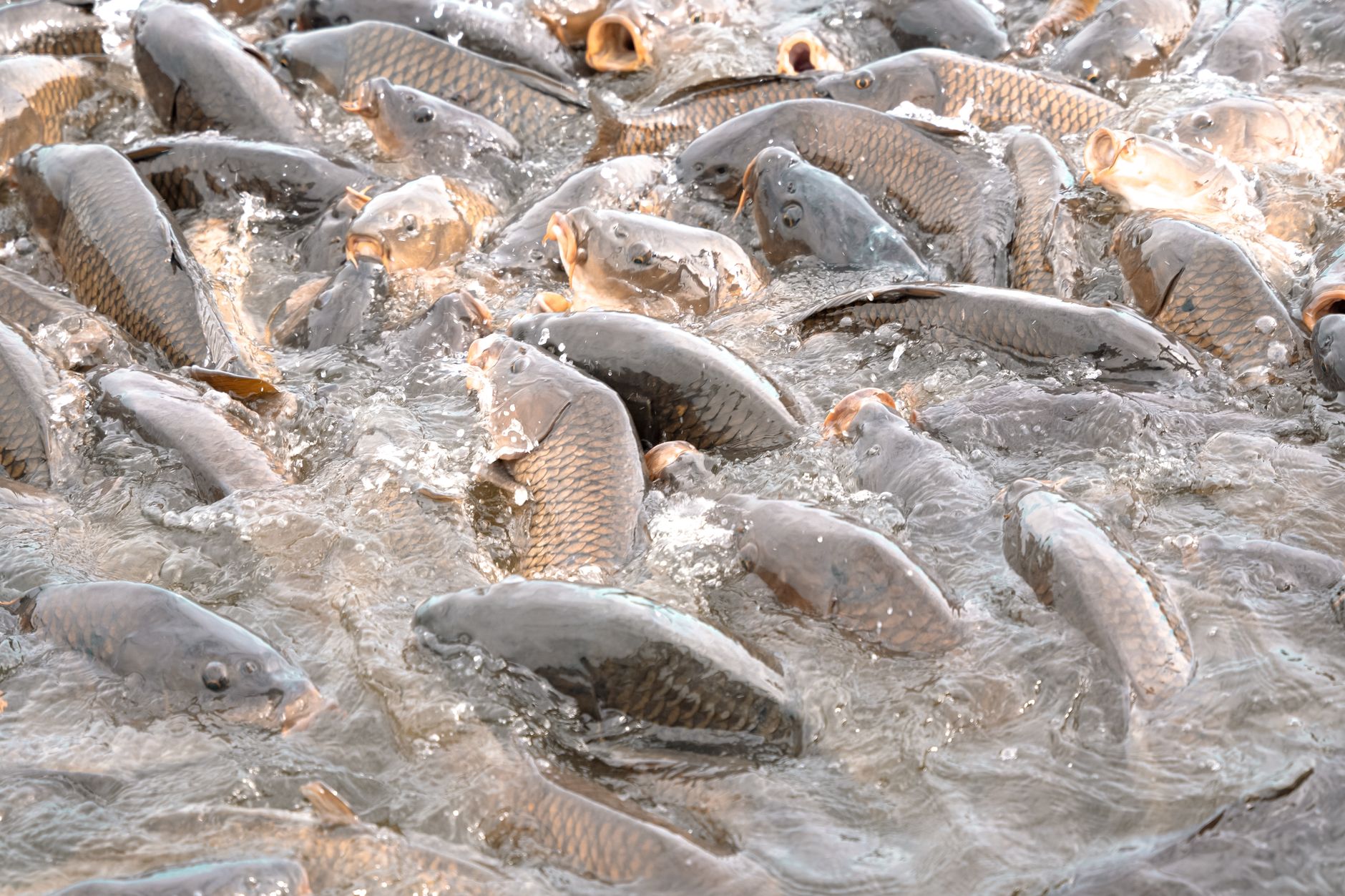
The findings are blunt. None of the 13 stocks managed under state fishery management plans currently shows long-term viability — a list that runs through Southern flounder, blue crab, red drum, speckled trout, striped mullet, river herring, estuarine striped bass, shrimp, sea mullet, sheepshead, bay scallop, hard clam and Eastern oyster. Atlantic croaker, spot and gray trout, all staples for pier and small-boat anglers, were found to have declined severely.
Collins leaned on a January 2026 report prepared through the UNC Collaboratory for the General Assembly, which found five of six adequately assessed stocks were experiencing overfishing and four were overfished.
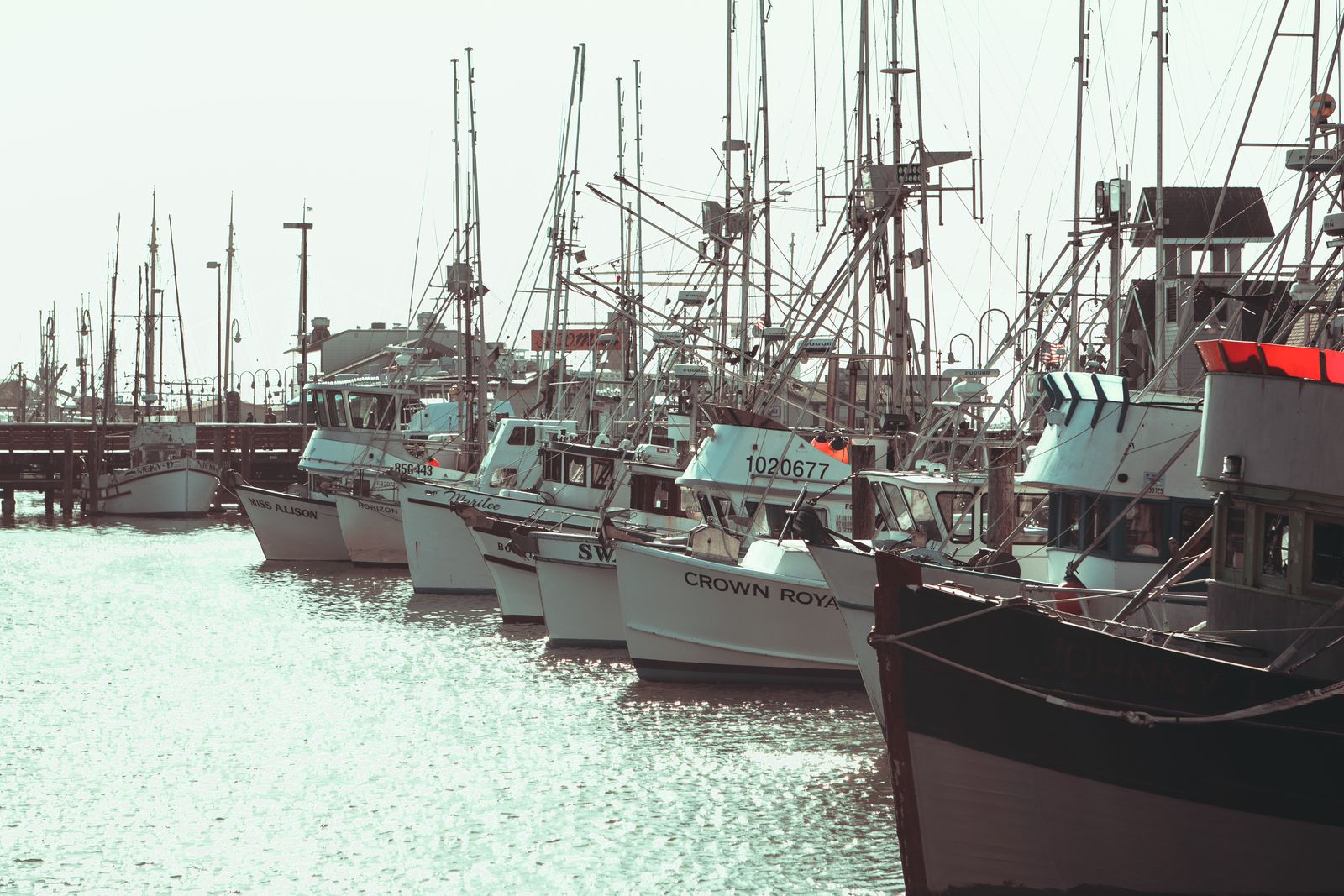
Estuarine shrimp trawling drew some of the sharpest language. The order says the practice carries largely unquantified ecological and economic costs, including the deaths of hundreds of millions of juvenile fish taken as bycatch, and that the state has never adequately measured the population-level effect. On gillnets, Collins concluded current levels of use remove older breeding fish and make recovery of depleted finfish populations unlikely.
Enforcement got its own section. Marine Patrol had 58 sworn officers as of January covering roughly 2.5 million acres of coastal water — against 224 officers at the Wildlife Resources Commission and more than 1,600 State Highway Patrol troopers.
The state's defence was that fish do not answer to regulators. Assistant Attorney General Ashton Roberts argued in openings that managing a wild ecosystem is a balancing act and that the state could not be held responsible for "the whims of nature," Axios Raleigh reported, pointing to an estimated 18 million recreational fishing trips a year in North Carolina. Collins was unpersuaded, noting the state put up no expert who addressed the adequacy of its management system as a whole. He also dismissed the argument that data gaps prevented the plaintiffs from proving their case as "specious at best," since collecting the data is part of the state's job.
CCA NC executive director David Sneed framed the outcome as an invitation rather than a punishment. "Coastal fishing in our great state could have such a bright future," Sneed said in the group's announcement.
The North Carolina Wildlife Federation, which was not a plaintiff but filed a friend-of-the-court brief, went harder. "The court affirmed what we have said for years: the state has a responsibility to protect and manage our fisheries for the benefit of all citizens and future generations, and our current system has failed to meet that responsibility," CEO Tim Gestwicki said in a statement. He added: "We cannot effectively conserve what we fail to adequately measure." His verdict on the status quo was one line: "This ruling makes clear that managing decline is not good enough."
The commercial side was locked out of the trial. The N.C. Fisheries Association tried to intervene as a defendant early on and was denied. It has long rejected CCA's reading of the public-trust doctrine, arguing that commercial fishermen and seafood consumers hold rights to the resource too, that North Carolina runs one of the country's most rigorous management systems, and that many of these stocks migrate across state lines under interstate or federal management — making it unfair to pin their condition on one state.
CCA's own public position anticipates that fight. The group says the case was never about getting nets out of the water, and that if the state can meet its legal duty while nets stay in use, they can stay. It also points out that river herring are under a statewide harvest moratorium and striped bass under a partial one — closures that hit commercial licence holders hardest.
A Senate bill to ban shrimp trawling passed last year and remains stalled in the House. Whatever the remedy phase produces, the legislature is still where most of this gets settled.