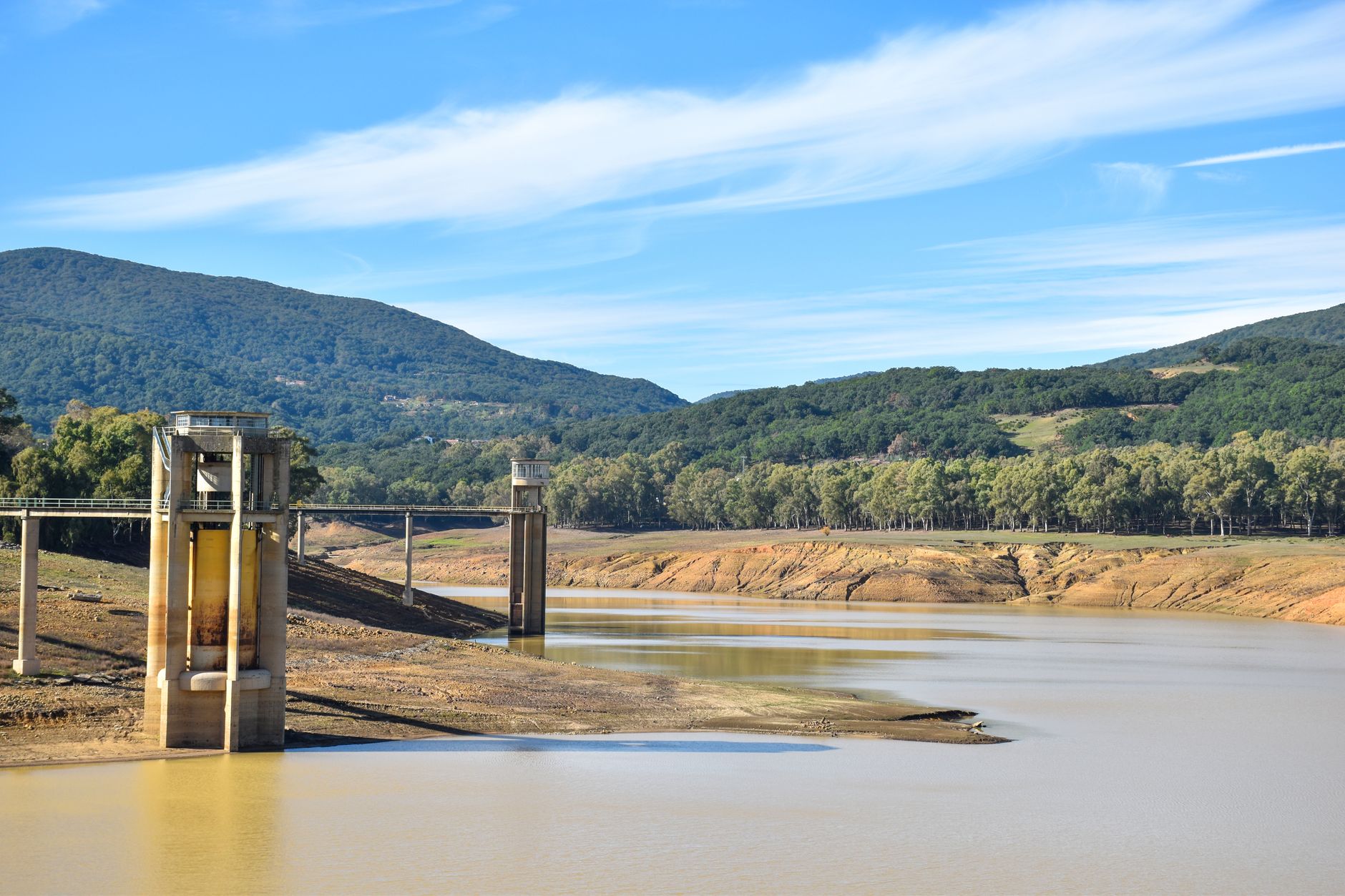
Idaho Fish and Game has now issued three fish salvage orders in a single summer, and Colorado Parks and Wildlife added one of its own last week. The message in all four is the same: the water is going, take what you can before the fish die with it.
The newest order covers Oakley Reservoir, in Idaho's Magic Valley, where the Oakley Canal Company will drain the impoundment completely after a thin winter snowpack left too little water to carry the fishery through. From 13 August to 1 November, anglers can take fish by any method except firearms, explosives, chemicals or electric current. Bag, possession and size limits are gone. A valid Idaho licence is still required.
Anglers turned up almost immediately.
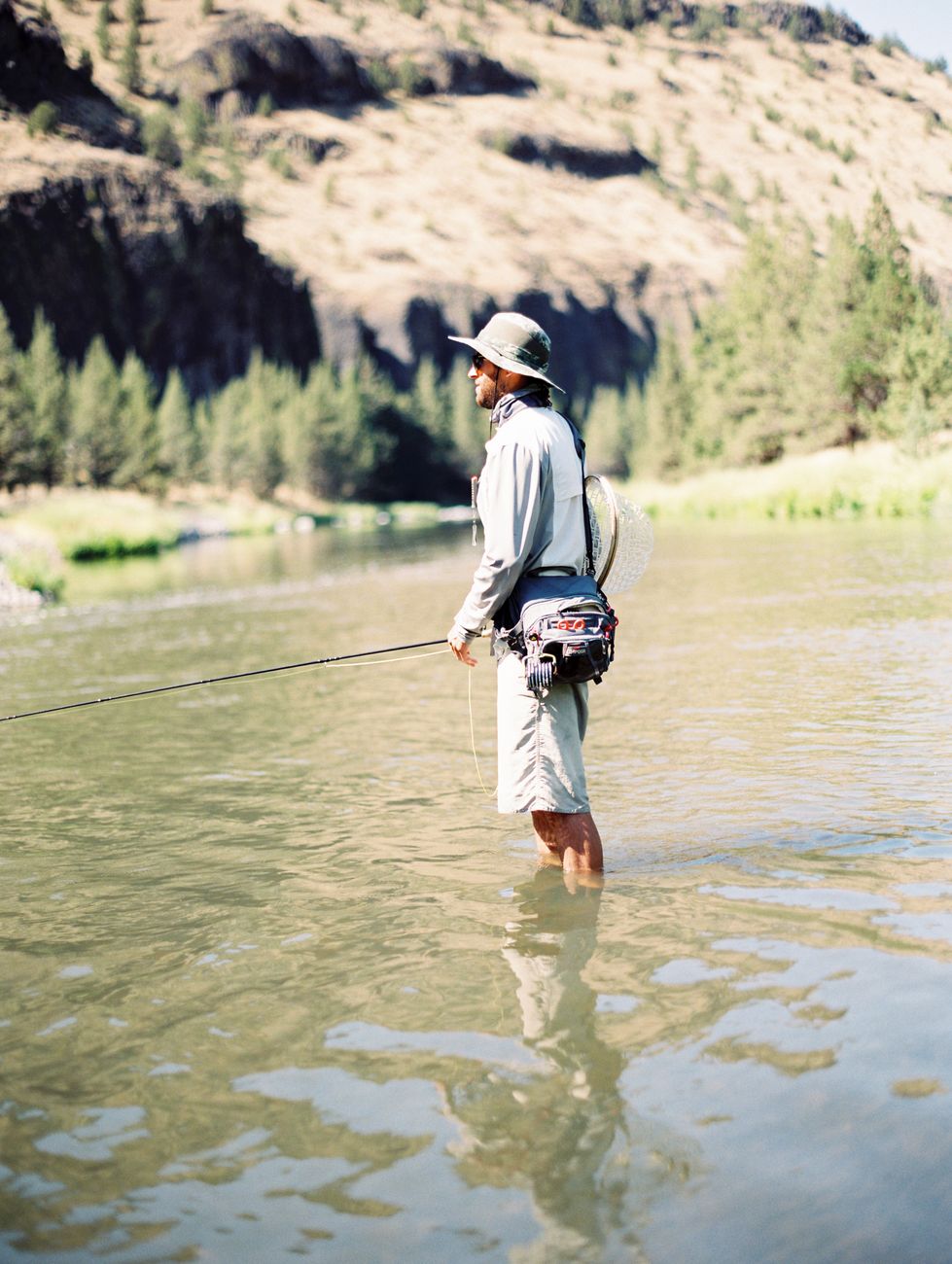
"We're out today to get some of the salvage fish that are here from the draining of this reservoir," Zachery Gonzalez told KMVT at Oakley. "It's a great resource and we're glad to be out here."
Joe Gonzalez, another sportsman on the water that day, had not caught anything yet and did not seem to mind. He said he was "checking to see what fishing conditions are like and enjoy the beautiful scenery," and pointed out that Oakley is easier to fish than the region's earlier salvage. "Like the Magic Valley salvage, this is a lot easier to access - there's no private properties that you have to worry about," he said.
Regional Fisheries Manager Mike Peterson expects the rebuild at Oakley to take a few years, and Fish and Game says restoration - including walleye - will depend entirely on future water and habitat conditions. That is not a promise anyone in southern Idaho can make right now.
The Magic Valley salvage Gonzalez referred to came first. Magic Reservoir fell to 7.6 percent of capacity in early July, forcing the Big Wood Canal Company to shut water through Magic Dam and prompting a salvage order on the Big Wood River below it, running to 1 October.
David McClure, a Jerome local who has camped at the reservoir for years, described a shoreline that has walked away from him. "We camped 4 or 5 years ago at Myrtle Point and we walked 10 feet off the road, and we were in the water... now we're about a mile from Myrtle Point... it's bad," he told Idaho News 6.
Jon Jund, who has fished Magic for four decades, was blunter about the scale of it. "I've never seen the reservoir this low since probably the mid-'80s," he said. Jund was not surprised by the salvage order and did not object to it: "Well, it's better than letting them die, because they won't live without water."
The odd wrinkle is that a shrinking reservoir fishes well right up until it doesn't. McClure reported plenty of fish still biting in the remaining water. "There is still a lot of fish out here... I just talked to that one guy, he said he caught 17... we've caught about 5 - released them and kept one of the bass so far," he said.
A third Idaho order landed in the east of the state. Twin Lakes Canal Company is draining Winder Reservoir in Franklin County for irrigation, and Fish and Game expects it to be empty by 4 September. That salvage runs to 31 October, with the usual limits and rod restrictions suspended. Anything caught must be kept - live fish cannot be moved off the reservoir - and no motorised craft are allowed.
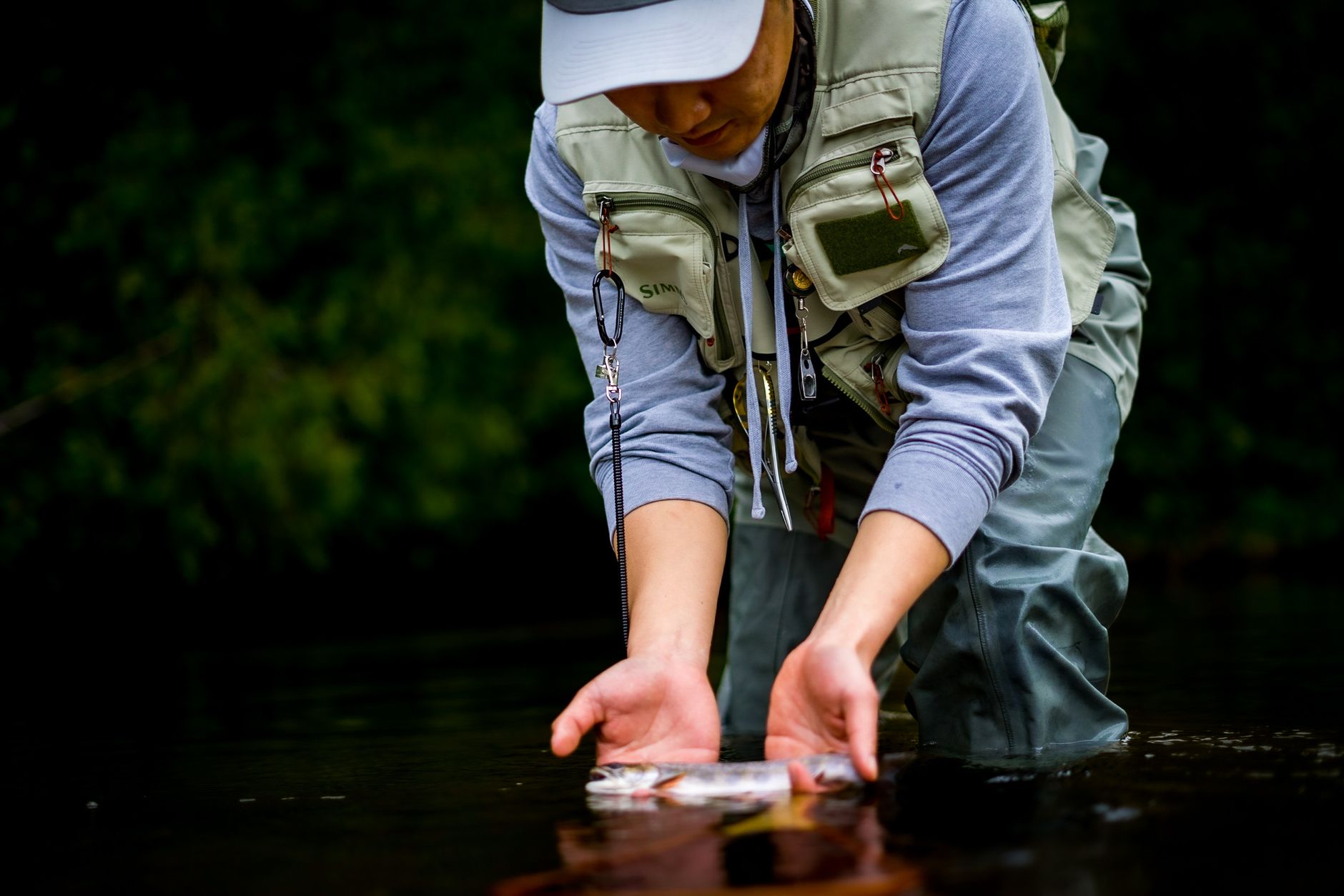
Colorado is running the same play at a much smaller water. On 12 August, Colorado Parks and Wildlife issued an emergency public salvage order for McKay Lake Open Space in Westminster, lifting bag and possession limits, dropping the flies-and-lures restriction and suspending the catch-and-release rule on largemouth bass. CPW has stocked the lake with largemouth, channel catfish and black crappie; carp are fair game too. Shoreline angling and hand-launched craft with a city permit are allowed, motorised boats are not, and commercial fishing is barred.
McKay is one of dozens. CPW's drought-driven closure and restriction list has grown well past forty waters this season.
Salvage orders are, in fisheries management terms, an admission of defeat on one specific waterbody - the agency has no control over the irrigation call, so it hands the fish to the public rather than let them suffocate in a puddle. What makes this summer unusual is not that one reservoir went dry. It is that Idaho has done this three times since July, and Colorado is now doing it in a Denver suburb.