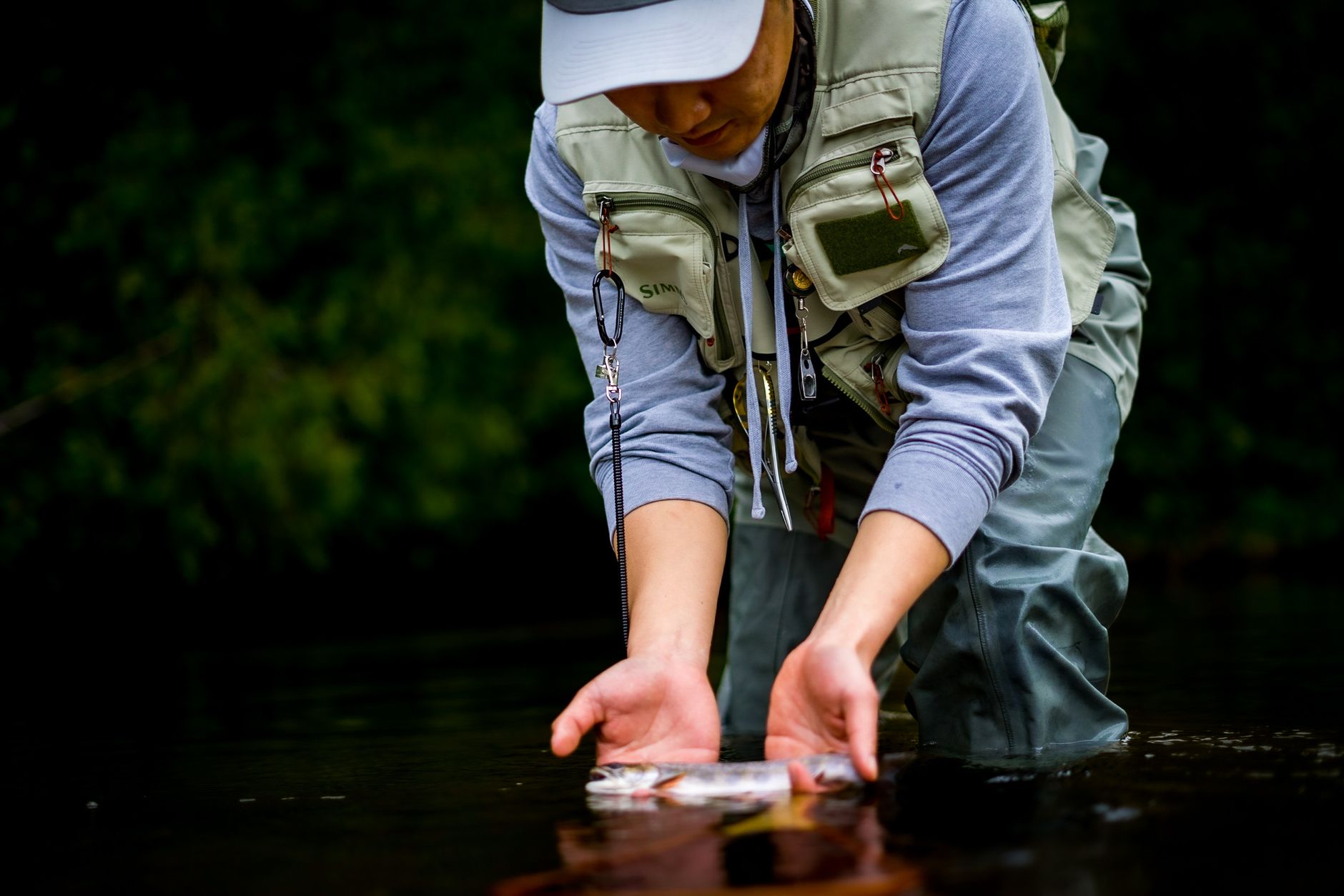
Pennsylvania anglers will need a bigger fish to fill a creel. On Monday the Pennsylvania Fish and Boat Commission gave unanimous final approval to raising the minimum size for harvesting trout from seven inches to nine, effective January 1, 2027. The seven-inch rule had stood since 1983, when it replaced a six-inch limit.
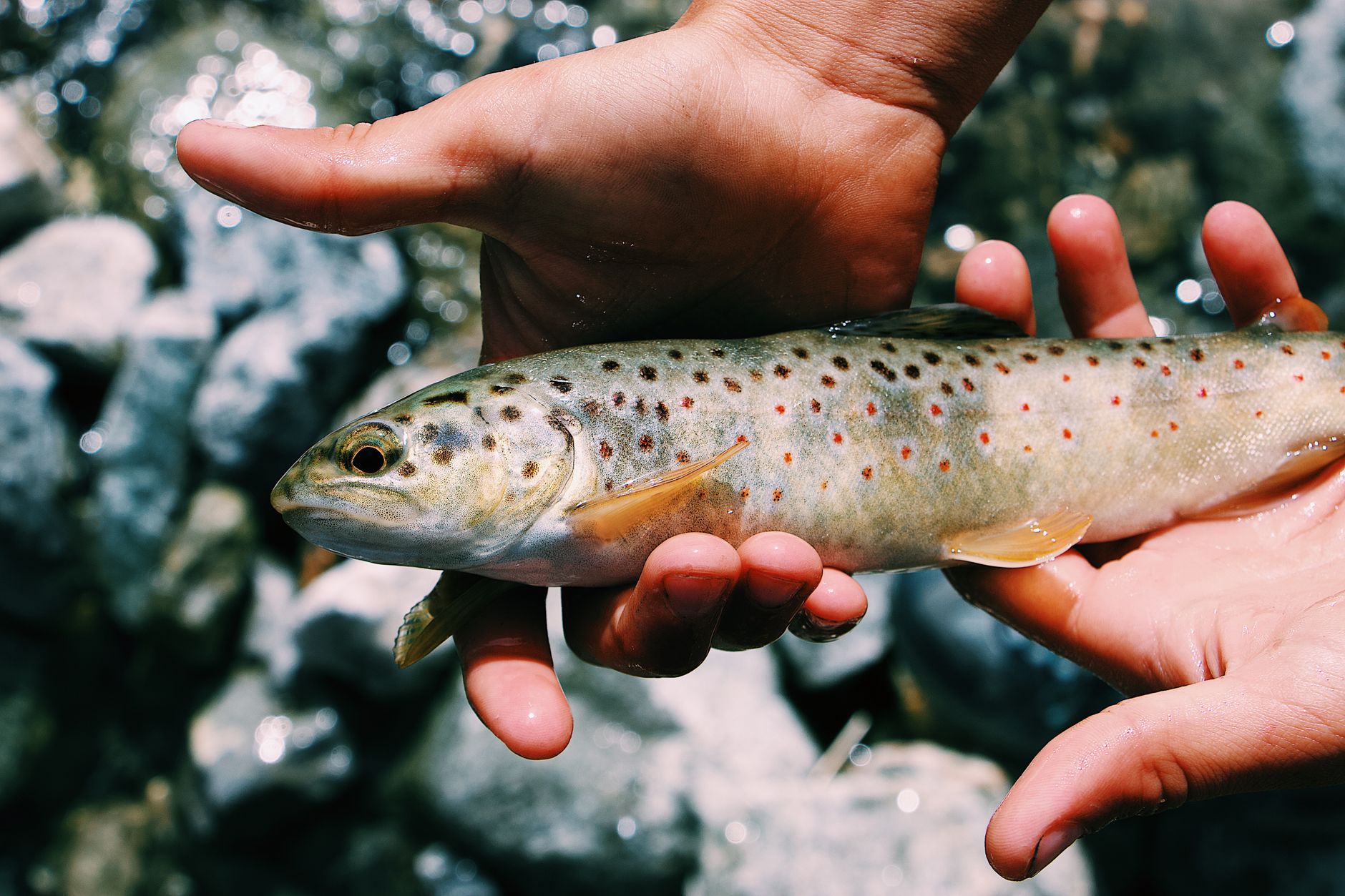
The change applies to Commonwealth inland waters, stocked trout waters open to year-round fishing, 13 streams under miscellaneous special regulations, and the extended trout season. It is aimed at one fish in particular: the brook trout, Pennsylvania's only native trout.
The case for it was built on a decade of electrofishing. Commission staff sampled roughly 3,000 stream sections between 2015 and 2024 and handled almost 200,000 wild brook trout.
"Of those 200,000, roughly 6.5 percent or 13,000 of them were seven inches or greater," said David Nihart, chief of the commission's Division of Fisheries Management. "All of those fish would be susceptible to harvest."
Push the limit to nine inches and that exposure nearly vanishes. "Roughly less than 1% of all the brook trout that we've collected over the last decade would have been available for harvest," Nihart said.
That gap — 6.5% down to under 1% — is the entire argument, and it is also where the debate sits. The rule does not stop anyone keeping a stocked rainbow. It protects a small band of the largest wild brookies, which is either a precision instrument or a modest gesture depending on who you ask.
Commissioner Eric Hussar of Union County came down on the side of precision, on the grounds that the fish in that band are not ordinary fish.
"I think it's a step in the right direction. I think biologically that 1% of brook trout that we're talking about that are over the nine-inch, seven-inch fish. They are the strongest fish in their habitat. They have the best genes, they live long enough for whatever reason to get that big," he said. "Maybe it will get the awareness out of the importance of native brook trout, the self-sustaining aspect of them in our wildlife."
Commissioner Charlie Charlesworth framed it more carefully, calling the regulation "a great compromise" between conservation goals and keeping recreational opportunity intact.
Whether it costs anglers anything at all is close to settled. Robert Caccese, the commission's director of policy, planning and communications, told the Pennsylvania Outdoor Writers Association conference in May that the practical effect on harvest would be near zero.
"An increase from seven to nine inches will have little or no impact on anglers harvesting stocked trout," Caccese said. "The average size of a standard trout produced at a PFBC state fish hatchery and stocked into the waters of the Commonwealth is 11 inches, with most cooperative nurseries also producing similar sized trout for stocking in public waterways."
Production data backs that up: 92% of hatchery trout measure between 11 and 13.9 inches, with only 5% falling between 9 and 10.9. The commission stocks about 3.2 million adult trout a year. Cooperative nurseries, which add roughly a million more, are the one group that will have to adjust — some of their 2024 stockings came in under the new minimum, and staff have been working with the Bureau of Hatcheries to close that gap before January 2027.
Anglers were asked directly, and answered. In the commission's 2023 Pennsylvania Trout Angler Survey, 85% of respondents said they would support a nine-inch minimum to protect brook trout. The same survey found harvest was not among the top three reasons people fish for trout in the state — 60% of stocked-trout anglers said keeping fish was not important to them at all, rising to 78% among wild trout anglers. During the formal public comment period, 274 of 287 responses supported the proposal. Six opposed it.
Commissioners approved a second, quieter change at the same meeting that will matter to anyone who has argued over a tape measure. Pennsylvania now has a formal legal definition of total length: "the greatest straight-line length as measured on a fish while laid flat on its side with its mouth closed from the most forward tip of the jaw or snout to the farthest extent of the tail with the upper and lower tail lobes compressed or squeezed together." It mirrors the method already illustrated in the Fishing Summary Book, and was adopted to meet requirements under the Atlantic States Marine Fisheries Commission's striped bass management plan.
The board also finalised new catfish rules for the Ohio, Allegheny and Monongahela rivers. Blue catfish, reintroduced to the Pittsburgh region from 2022, become catch-and-release only. Flatheads drop to a four-fish possession limit with just one over 35 inches, replacing a statewide 50-per-day catfish limit that had lumped them in with panfish.
"It takes about 30 years for that fish to be about 35 inches," Nihart said of the flathead. "A very old, very slow growing species."
He was equally direct about why the rule is a possession limit rather than a daily bag: "The reason we put in this possession limit is that a lot of people that do fish for catfish are fishing at night. So, we wanted to have a regulation in place that would prohibit somebody from fishing until midnight, catching their four fish, and then staying after midnight, and catching four more fish."
Commissioner BJ Small of Cumberland County raised the obvious follow-up question — how long before blue cats, invasive everywhere in Pennsylvania outside the Ohio River Basin, turn up in the Susquehanna, whether by their own migration from the Chesapeake or by anglers moving them. Stocking blue catfish into any Commonwealth water remains illegal.