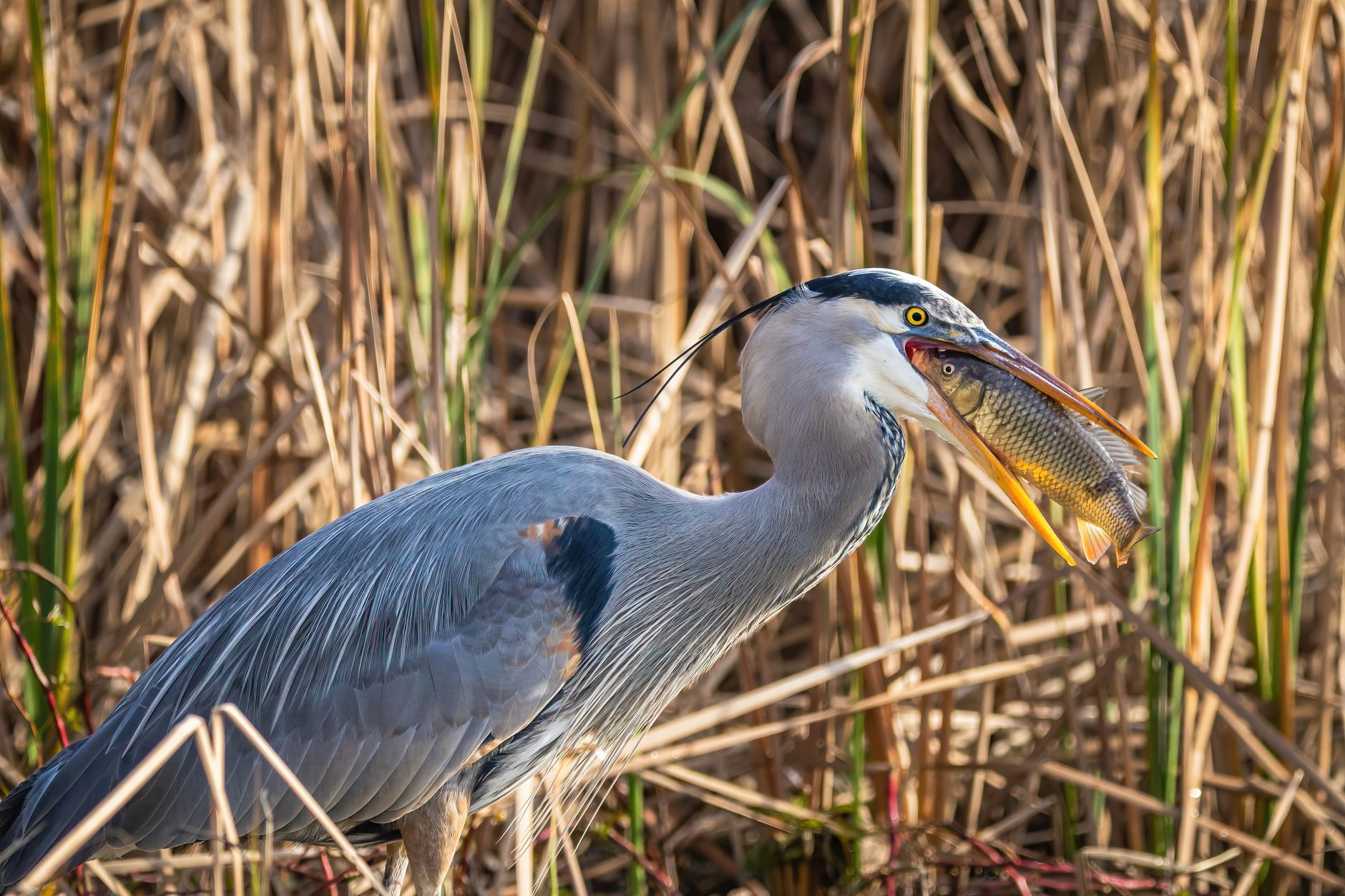
The Interior Department has finalised what it calls the largest expansion of hunting and sport fishing access in the history of the US Fish and Wildlife Service, opening or widening 1,488 opportunities across 111 field stations in 32 states.
The final rule covers 107 national wildlife refuges and four national fish hatcheries. Fourteen refuges and three hatcheries get hunting or sport fishing for the first time. In total, more than 92 million acres - upwards of 95 percent of National Wildlife Refuge System land - is now available for hunting, alongside more than a thousand changes to existing regulatory provisions, many of them deletions of rules the agency considers outdated.
For anglers the practical question is narrower than the headline acreage. Refuge fishing access has always been the quieter half of these rules, and the expansion is spread across freshwater impoundments, coastal marsh and hatchery waters rather than concentrated in a handful of marquee destinations.
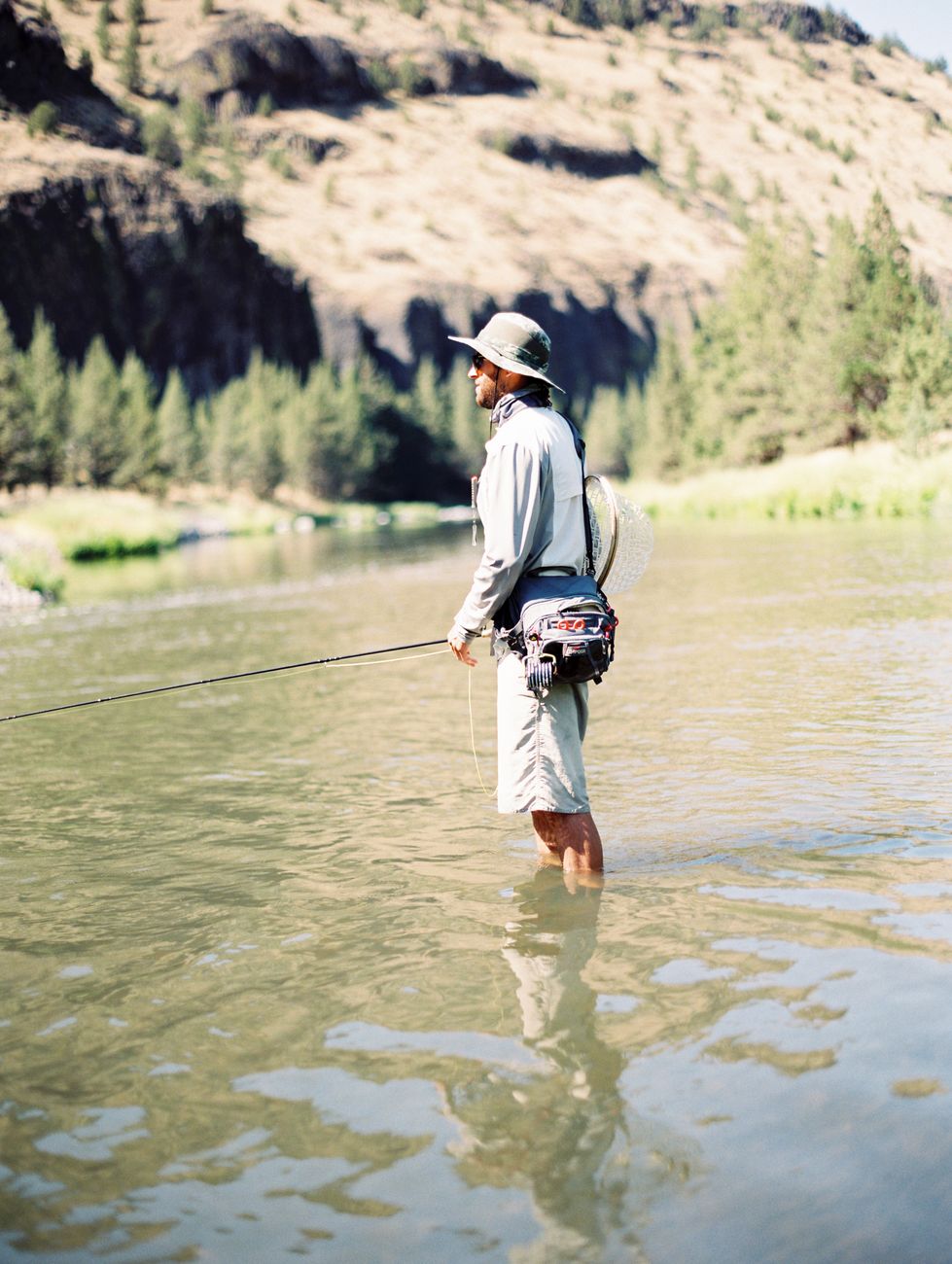
Fish and Wildlife Service Director Brian Nesvik framed the rule as a generational handover.
"This expansion will provide incredible opportunities for sportsmen and women and their families across the country to pass on a fishing and hunting heritage to future generations and connect with wildlife," Nesvik said. "We are committed to responsibly managing these areas for the benefit of future generations while fulfilling our conservation mission."
"America's public lands belong to the American people, and they should be able to access them without unnecessary bureaucracy standing in the way," Burgum said at the time. The department ties the effort to Executive Order 14192 on deregulation, and points to figures showing nearly 40 million Americans fish and more than 14 million hunt, contributing about $144 billion a year.
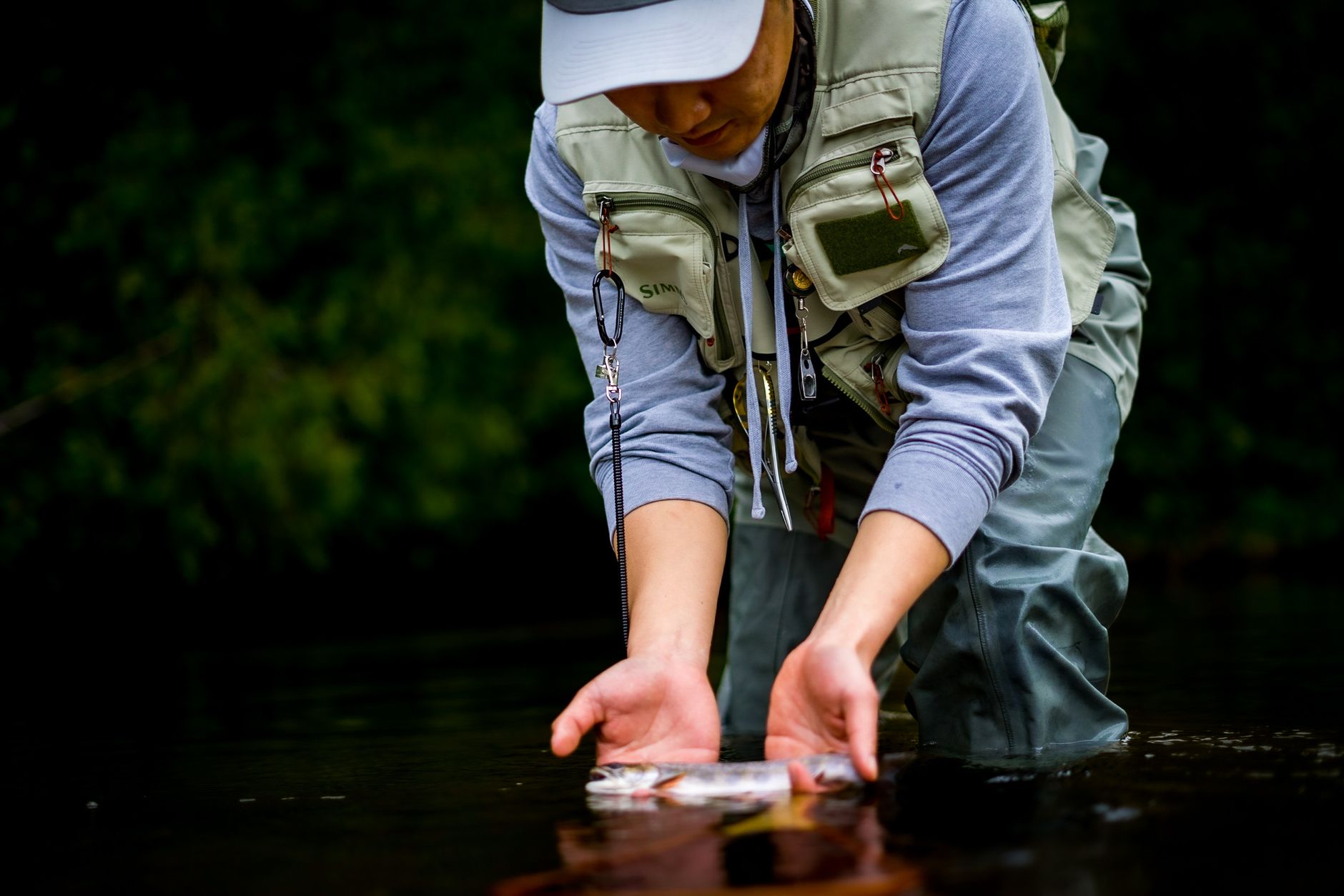
The disagreement is not really about whether more access is good. It is about whether the refuge system can absorb it.
Backcountry Hunters and Anglers, which supports the access itself, said in comments filed in late May that opening the gates has to come with the staff to manage what walks through them.
"Expanding access to the National Wildlife Refuge System must be matched by meaningful investments in staffing and resources needed to manage these lands and waters effectively," the group said. "Refuge managers, biologists, maintenance crews, firefighters, and law enforcement staff play a critical role in maintaining habitat, supporting public access, and ensuring quality hunting and fishing opportunities for future generations."
Defenders of Wildlife went further, arguing the rule adds demand to a system already failing to meet the demands on it. The organisation said refuges "have never received less Congressional support or attention" and that the rule "will make an already desperate situation worse for wildlife." In its assessment, service morale is at a low, congressional attention has thinned, and necessary management work has simply stopped happening in places. Retired agency staff quoted by the group described refuges where managers can barely keep the front doors open, and where community programming has disappeared entirely.
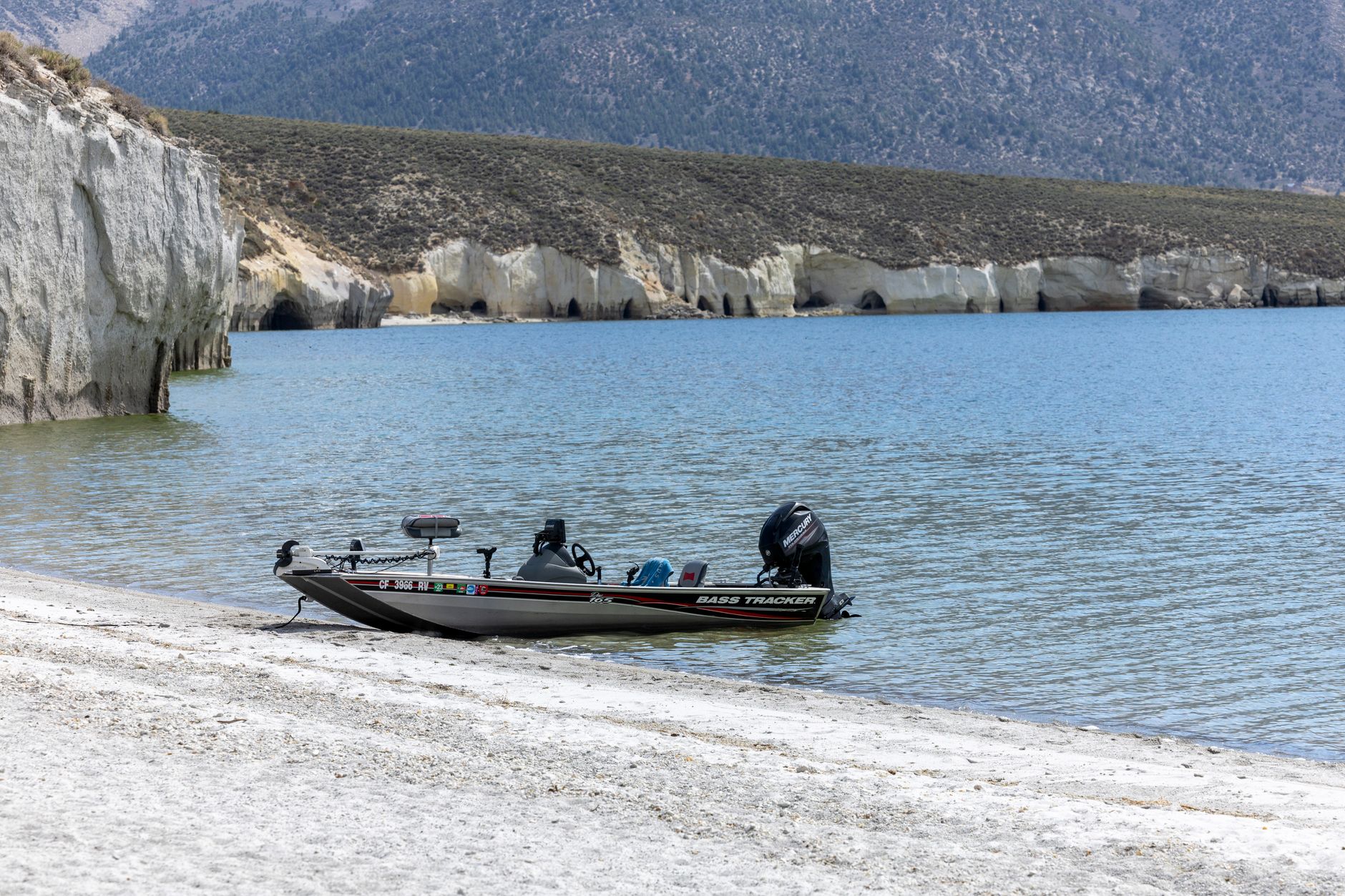
Defenders also flagged a second thread that matters directly to anglers: the department has moved against restrictions on lead ammunition and fishing tackle. Several refuges had been on a path toward phasing lead tackle out, a shift driven by evidence of harm to waterfowl and raptors that ingest lost sinkers and jigs. That direction has now been reversed at the department level, which means anglers heading to newly opened refuge water are unlikely to face non-lead requirements in the near term.
The Theodore Roosevelt Conservation Partnership welcomed the access expansion while warning that federal access directives need to stay balanced against sound, locally grounded wildlife management - a reminder that refuge units differ enormously in what they can carry.
The rule publishes in the Federal Register in time for the coming hunting season. Anglers should check the station-specific regulations for any refuge they plan to fish rather than assuming the headline number applies locally: the expansion is delivered unit by unit, and the conditions attached - seasons, methods, access points, boat restrictions - are set at each station, not nationally.