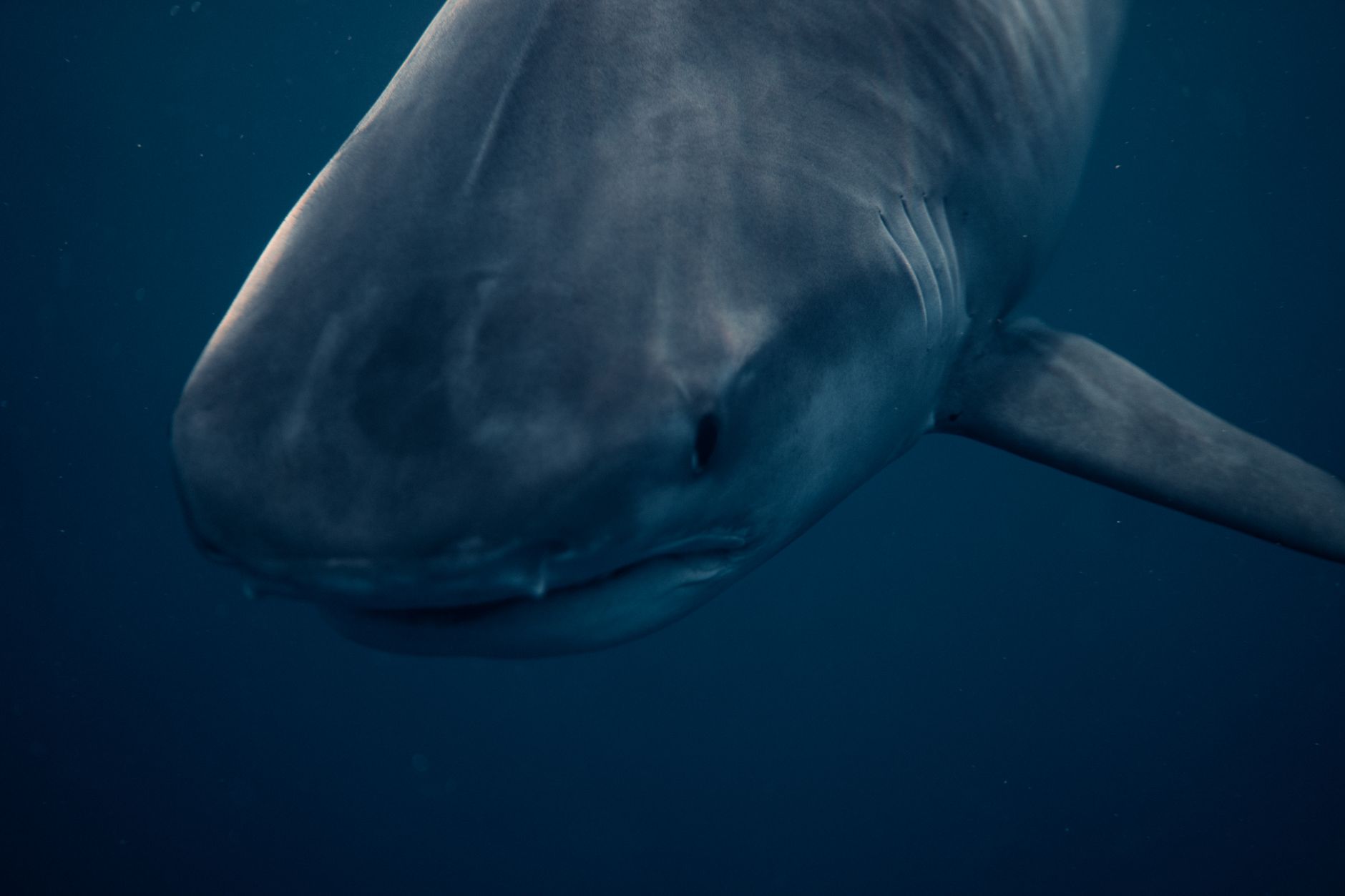
The angler whose great white shark video drew more than half a million views on Instagram this summer says he supports the emergency rule that has since curtailed the fishing that produced it.
Elliot Sudal hooked a white shark of roughly eight to nine feet off Nantucket's south shore on 7 June. He says it was an accident, and that it was the first white he had ever landed from the beach.
"Basically, I caught that great white and the video went viral," Sudal told the Cape Cod Times in a written response by Instagram. "I've caught 2,000-plus sharks off the beach here and that was the first (white shark) I've caught."
Two months later, the Massachusetts Division of Marine Fisheries extended its shore-based white shark tackle restrictions to Nantucket, filling in the last gap in a rule that had covered Cape Cod Bay and the Outer Cape since 2025. The emergency order took effect on 31 July and runs 90 days, with the agency saying it may become permanent for the 2027 season.
Sudal's response was not the one the tackle industry might have expected from a man with 2,000 sharks behind him.
"I'd rather never shark fish again than a kid ever get bit," he wrote, adding that the state's regulations "make sense."
He is careful to separate the rule from his own catch. "I stand by doing everything correctly in that situation," he said. He removed the hook and released the shark immediately, and he told the Nantucket Current in June that the fish was never the target: "By no means was I targeting that white, you can't control what picks up your bait."
What he does object to is what came after the video.
Sudal said he is disappointed by people attempting to be "fishing influencers" who now seek attention online by targeting white sharks — an uptick DMF cited directly when it justified the order.
The agency frames it as a two-sided problem. "These emergency regulations are about protecting both public safety and one of Massachusetts' most iconic marine species," DMF spokesperson Danielle Burney said. "Shore-based fishing that targets white sharks can draw them closer to beaches where people are swimming, while also increasing the risk of injury or death to the sharks themselves."
The rule is narrower than a shark-fishing ban. From restricted shorelines, anglers may not pair a hook with an inside gap larger than 5/8 inch with a wire or metal leader longer than 18 inches — the combination associated with pursuing large sharks from the sand. Fishing for brown sharks and sand tigers, which DMF does not consider dangerous to people and which are mostly caught at night, continues.
Nantucket had been left out of the original rule because there was little evidence anglers were targeting whites there. That changed on 18 July, when Nobadeer Beach was temporarily closed after anglers targeted white sharks near swimmers and a surf school. Two days later, island public safety officials formally asked the state to extend the restrictions.
The federal picture is less absolute than the state one. Rachel Hager, public affairs officer for NOAA Fisheries, told Outside that intentionally catching a great white is illegal, "but they are occasionally caught by accident in a variety of fisheries for other species." Permit holders are a separate case: "In the Atlantic, recreational fishermen who hold the appropriate permits are allowed to intentionally fish for white sharks with rod and reel gear, as long as they release the shark immediately without removing the shark from the water and without further harming the shark," Hager said.
That last clause sits awkwardly beside the video, which shows the shark wrestled into the shallows by the tail before the hook came out.
Shark diver and guide Tanner Mansell, who reviewed the footage for Outside, does not agree with baiting sharks from shore at all — his objection is the same one DMF makes, that bait pulls sharks toward swimmers. He still thought Sudal handled the fish correctly, and said the speed was what mattered.
"The speed of this is the most important aspect of it," Mansell said. "He didn't wait around to take a photo or something, he got on it. This guy knew what he was doing."
Nathan Skerritt, the friend who helped bring the shark ashore and free it, was more modest about his part. "I'm just one of the boys that happened to be there and got to reel the beauty in," he told Outside.