Two of the biggest organisations in competitive bass fishing spent this month moving in opposite directions on the same question, and the split is now formal.
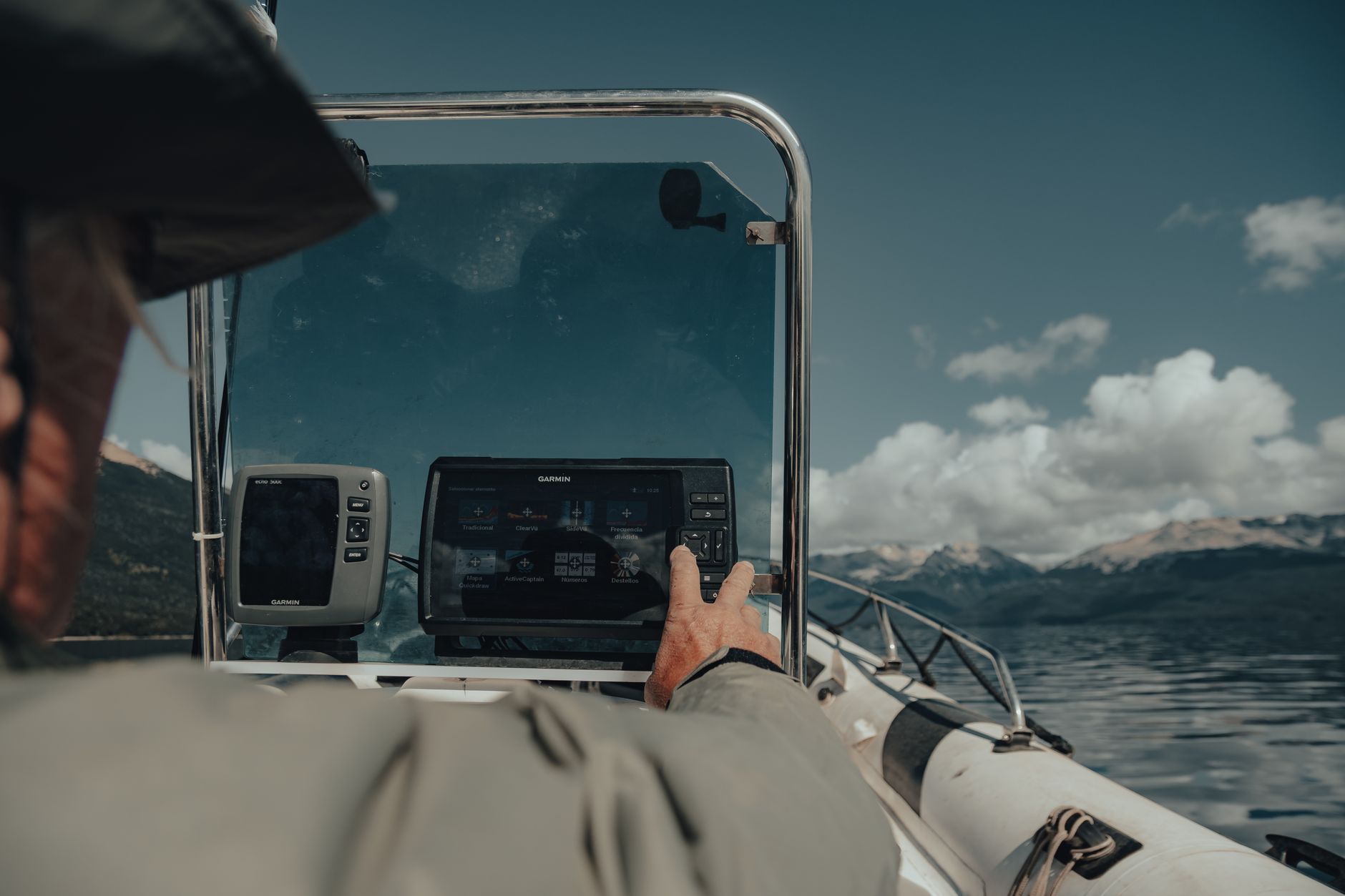
On August 12, Major League Fishing announced the largest overhaul of the Phoenix Bass Fishing League since 2000 — a new team/solo format, five regional All-American Championships, a $120,000 rigged Phoenix for each winning team, and direct advancement to REDCREST. Buried in the detail was a line about technology: the 2027 BFL season will feature unrestricted use of forward-facing and 360-degree sonar.
That is the grassroots circuit, the one anglers fish on Saturdays close to home. MLF is opening it up completely.
"This is one of the biggest changes in the history of the Bass Fishing League," said MLF co-founder and CEO Boyd Duckett. "This latest evolution makes it easier to compete with a friend to share expenses, or fish solo to protect your hotspots, while offering more money, more championship opportunities and more reasons than ever to fish."
B.A.S.S. has gone the other way at the top end. Under the rule that took effect this season, forward-facing sonar is legal at only five of the nine regular-season Elite Series events. At the other four it is banned outright, including in official practice. Which events fall which way was settled by coin flip.
"No single technology should define bass fishing," B.A.S.S. CEO Chase Anderson said when the policy was announced. "This balanced approach keeps competition diverse, entertaining and true to the culture of our sport."
"This new rule is exactly what the majority of the ABP voted for," said former Bassmaster Classic champion Davy Hite. "It creates amazing opportunities for fans to watch different skills shine, and it ensures our next Angler of the Year will be the most versatile angler on the planet."
What that looks like in practice is on the water at Plattsburgh, New York, this weekend. The SPRO Bassmaster Elite at Lake Champlain drew a no-sonar coin flip, and it has reshaped how the field is fishing a lake normally decided by open-water smallmouth.
Carl Jocumsen led through two rounds with 43 pounds, 1 ounce after deciding that without live sonar, chasing smallmouth was the riskier play. He committed to a 70-mile run each way to the shallow grass at Ticonderoga and a largemouth-first plan.
"Today almost went to exact plan," Jocumsen said after Day 2. "I feel like potentially, there's more fish in my main area than I thought there was, which is a good thing."

He kept a smallmouth escape route anyway. "I always knew I needed a smallmouth element. It just helps you to not run out of areas. If you have smallmouth up your sleeve, you can just go fishing and catch a 4-plus pounder sort of anywhere you go."
The clearest measure of how far the technology had spread came from Sam Hanggi, sitting 29th at the halfway point: "I've never 2D'ed a bass before until this week."
Randy Blaukat, a longtime pro and one of the technology's loudest critics, called the event the "Scopemasters Classic" on his YouTube show and aimed his criticism at B.A.S.S. rather than the anglers.
"You can't sit and shake a minnow at a bass you see 50 feet in front of you and then follow it down the bank for a quarter mile and see it reacting in live image, live time, and call it fishing," Blaukat said. "The whole magic of the Bassmaster Classic revolves around the mystery and mystique of the unknown."
Nutt's answer is that the screen is not the shortcut people assume.
"You don't just put a unit on your boat and automatically start catching more fish," he told Wired2Fish. "You have to know where the fish are going to be at that time of the year — where they're coming from, where they're going, their mood, their general behavior. It's a lot more difficult than people give it credit for."
He also argues the edge is eroding on its own. "A few years ago, livescoping was like shooting fish in a barrel. It was like when the Chatterbait or A-rig first came out. But now every bass has seen a minnow-type bait and they're getting wise to it."
Most of his Classic weight, he says, came from casting at cover he had marked rather than at fish he could see.
The two policies are not necessarily in conflict. MLF's unrestricted rule applies to a $500-entry circuit where the pitch is accessibility and shared costs, and where current Bass Pro Tour, Pro Circuit, NPFL and Elite Series pros are barred from entering. B.A.S.S. is regulating a nine-event championship where an Angler of the Year title is at stake.
But an angler working up through the BFL in 2027 will do it on unlimited sonar, then hit a top tier that switches the screens off four times a year on a coin flip. Whatever else the sport has settled, it has not settled that.