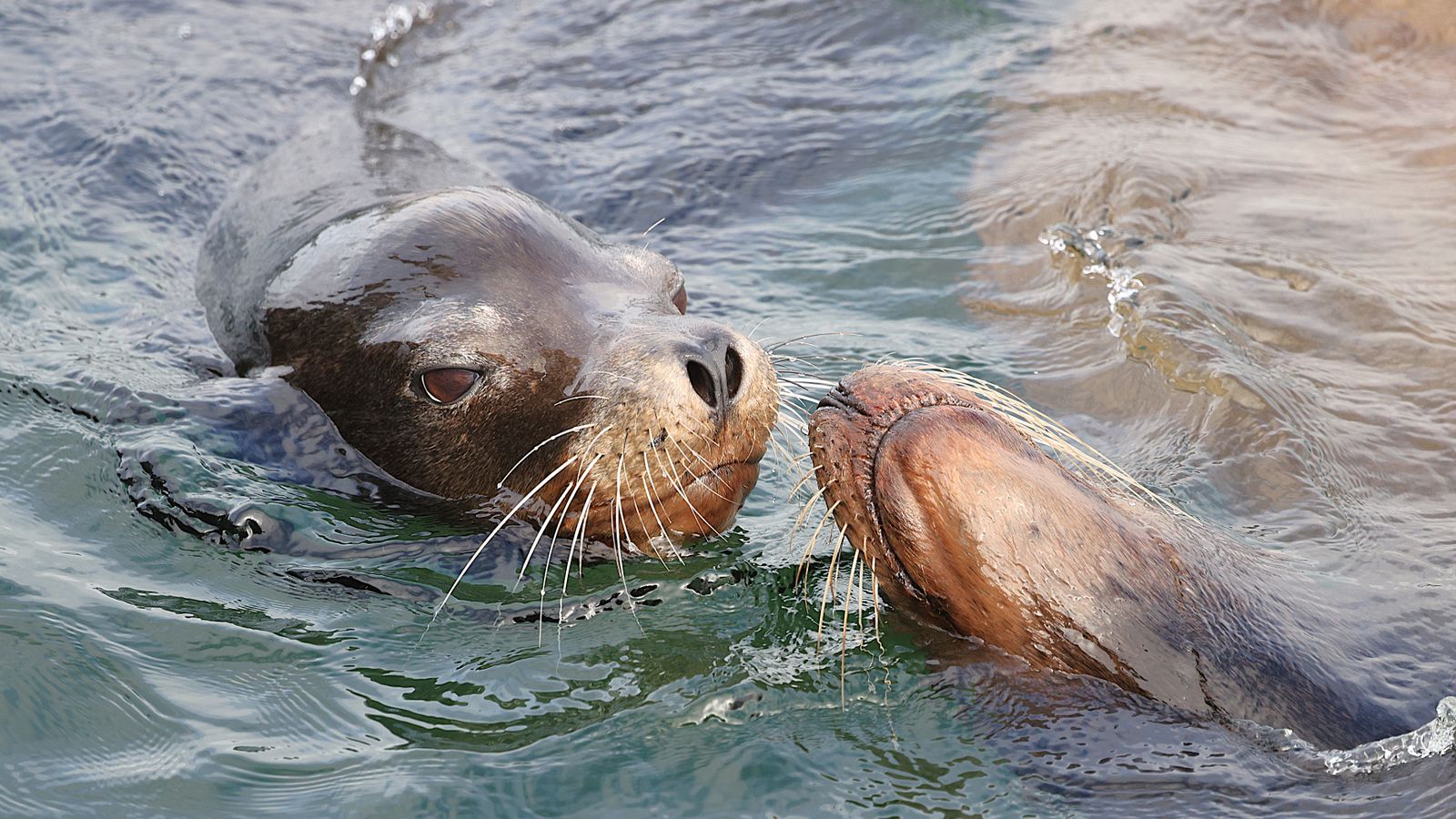
A long-running Pacific Northwest fight over whether to kill more sea lions and harbor seals to rescue collapsing salmon runs returned to Congress this week, and the region's own lawmakers could not agree on the answer.
The House Subcommittee on Water, Wildlife and Fisheries examined bipartisan legislation on Tuesday that would loosen the Marine Mammal Protection Act to let Washington state and Western Washington tribes remove far more pinnipeds. Fourteen populations of salmon and steelhead in Washington are already listed as at risk of extinction under the Endangered Species Act, and supporters say booming predators are one pressure managers can act on now.
"We have to find ecosystem balance," said Rep. Emily Randall, D-Bremerton, who co-sponsored the bill with Rep. Michael Baumgartner, R-Spokane. "Nonlethal methods of controlling the pinniped population haven't worked for us."
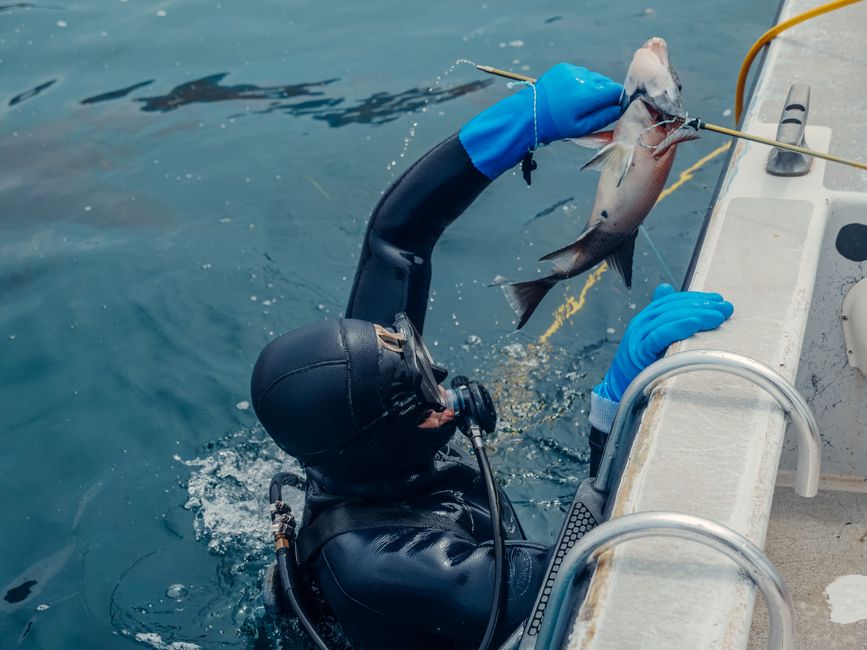
The numbers behind the debate are stark. When the Marine Mammal Protection Act passed in 1972, California sea lions numbered around 75,000, up from roughly 8,000 in the 1950s. Today they exceed 300,000, and the animals have pushed ever farther up the Columbia River to feed on spring Chinook, steelhead and smelt. Congress first authorized limited removals in 2018, but the work has been confined to chokepoints at Bonneville Dam and Willamette Falls, where 508 and 54 sea lions respectively have been removed since 2008, at a cost of nearly $40,000 per animal.
Rep. Marie Gluesenkamp Perez, D-Washougal, who introduced a separate, narrower bill this month, argued the science is already settled for the people who live with the problem. "I have local fishermen telling me that nearly every salmon they pull out of the river have wounds from sea lions," she said. "The fact is, politicians in DC aren't out on our rivers, they're still living in a world of 1970s data points." More study, she added, would tell anglers nothing they don't already know: "We know that sea lions are heavy predators on our salmon and steelhead."
The Trump administration signaled early support. Tim Petty, the Commerce Department's assistant secretary for oceans and atmosphere, told lawmakers the existing law was not working fast enough. "The Marine Mammal Protection Act already allows the targeted removal of predatory sea lions," he said. "But that process hasn't moved the needle in salmon recovery on the scale that we need to move." His prescription was blunt: "We are so focused on trying to manage the salmon. We need to manage the pinniped the same way."
Others on his own side of the aisle were unconvinced. Rep. Maxine Dexter, D-Ore., warned that predation is only one of many threats, alongside dams, habitat loss, pollution and warming water. "On the West Coast, we know salmon are the beating heart of the Columbia River," she said. "I'm concerned we're getting ahead of ourselves with the changes in this legislation." Rep. Jared Huffman, the ranking Democrat on the House Natural Resources Committee, said the bill "goes too far" without adequate safeguards, while Rep. Val Hoyle, D-Ore., faulted the sponsors for not consulting Oregon tribes. "Sea lions cross both sides of the river. They go from Washington to Oregon and back again," Hoyle said. "So we can't have a one-state solution."
Scientists urged caution too. Richard Merrick, a retired chief science adviser at NOAA Fisheries, testified that the legislation was well intentioned but would do little on its own, because salmon habitat remains limited and new sea lions would simply move in to replace any that are culled. He suggested more study to find comprehensive solutions.
The tension is not only political. Wildlife officials near Bellingham are investigating the shooting of a baby harbor seal found this month with a gunshot wound to its face, the third gunshot seal treated in the past year by a regional marine-mammal rehabilitation nonprofit. The Northwest Indian Fisheries Commission, which represents 20 treaty tribes in Western Washington, backs the broader bill. Neither measure has yet advanced to a vote.