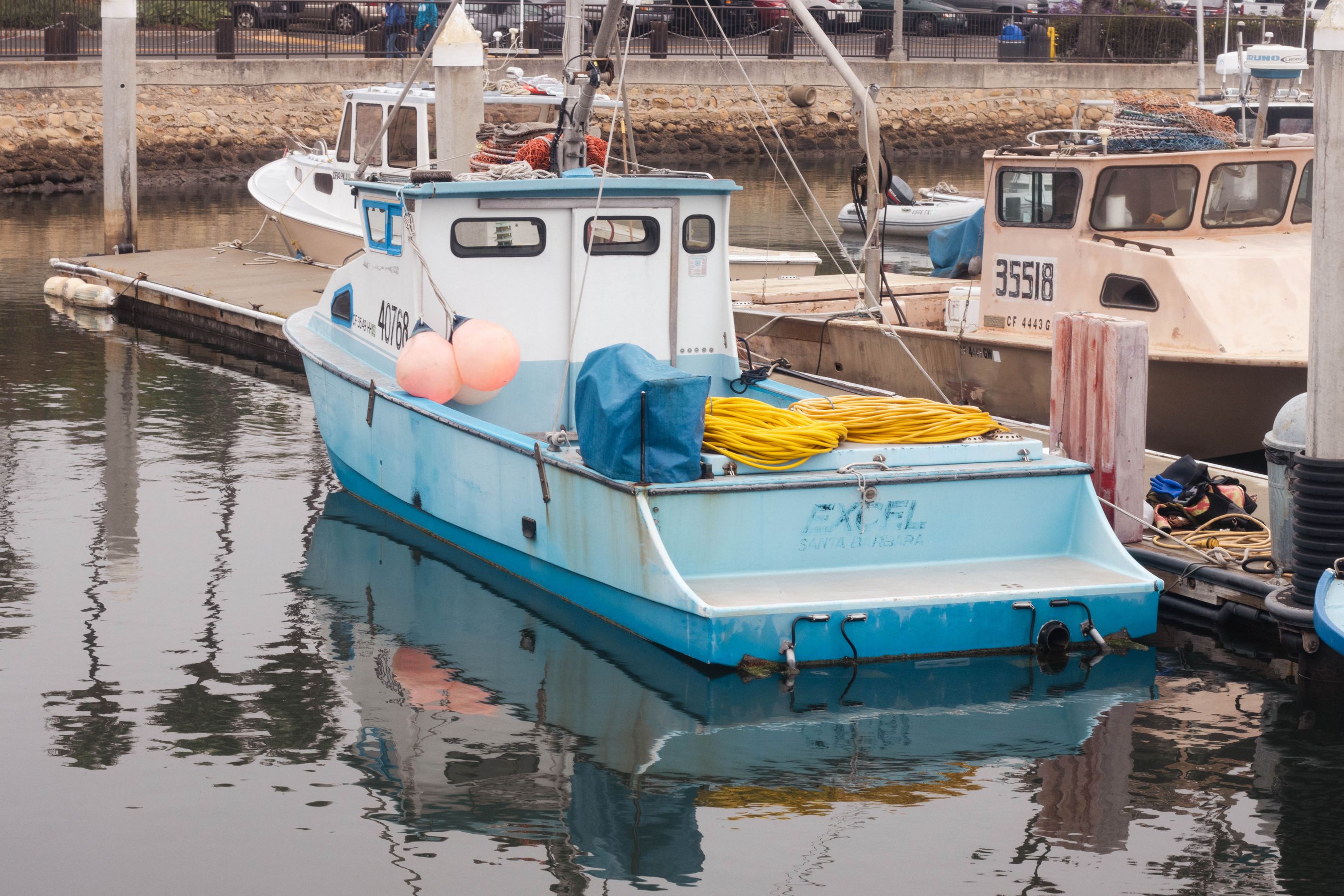
Along the docks of Gloucester, America's oldest seaport, more boats than usual are sitting still. With the conflict in the Middle East escalating, global oil topped $100 a barrel again last week, and the diesel that runs the commercial fishing fleet has climbed to a national average above $5.20 a gallon, up more than $2.65 from a year ago, according to AAA.
At Rose's Marine, a longtime supply store on the Gloucester waterfront, former commercial fisherman Archie MacLeod Jr. sees the strain on every captain who comes through the door.
"They're ridiculous. You know, the fuel prices, especially for diesel, which is one of the main fuels that runs the country, whether it's trucking or fishing or any industry, really, they're really high, and it's really hard for guys to go out and make a living," MacLeod told CBS Boston. He laid out the math that keeps boats at the pier: "You're traveling 200 miles sometimes from shore, and all that fuel needs to be paid for. And a lot of times, you don't make a paycheck until you pay for the fuel."
More captains, he said, are simply choosing to stay home. "A lot of them just kind of say, you know what? With bait and fuel prices, it's just a better idea to just haul your gear in and stay home."
The squeeze reaches beyond the trawlers. Captain Jim Douglass, who owns Gloucester-based Cape Ann Whale Watch, fills a 4,000-gallon vessel and runs it twice a day through a short summer season. "It's huge. It adds up pretty quickly when you're going out every day, twice a day," he said. Douglass has nudged ticket prices up and is weighing a fuel surcharge. "We have a short season here. We only run from May to October, so you know we have a small window to make some money, and every time that price goes up, it's a huge impact."
Three thousand miles away, the story is the same. On the dock in Kodiak, Alaska, Darren Platt was prepping his 42-foot salmon seiner, the Agnes Sabine, and dreading the fuel bill. "It's probably going to be close to double what it was last year," he told KMXT. Platt calculated it would cost nearly $10,000 to fill his tank from empty. Fellow Kodiak skipper Dave Kubiak said he paid around $3.75 a gallon last summer, a figure that now looks like a bargain.
The common thread is the war with Iran. Disruptions to crude shipping through the Strait of Hormuz have pushed prices up worldwide, and the effect on fishing fleets has been global. Reuters reported that half the Dutch fleet was idled this spring, and that Thailand's fishing industry neared a standstill as fuel costs spiked.
The political response has been uneven. In New York, State Assemblyman Tommy John Schiavoni introduced a bill to let commercial fishermen claim fuel tax exemptions upfront, as farmers already can, rather than waiting months for a refund. "The affordability crisis is hitting hard for everyone, and while the Administration wages a war in the Middle East, fuel prices continue to rise, forcing fishermen to pay even more than they should just to go to work," Schiavoni said. He argued the current system pushes boats to fuel out of state, with fuel taxes forcing "many fishermen to do business in other states where diesel and supplies cost less, ultimately taking away from Long Island's blue economy."
Others are looking past the pump. In June, National Fisherman reported on Alaska's first hybrid-electric fishing boat, pitched as a way to blunt exactly this kind of fuel shock. For most captains, though, the near-term calculus is simpler, and it is the one MacLeod hears every day at the counter: when the numbers don't work, the smartest trip is the one you don't take.