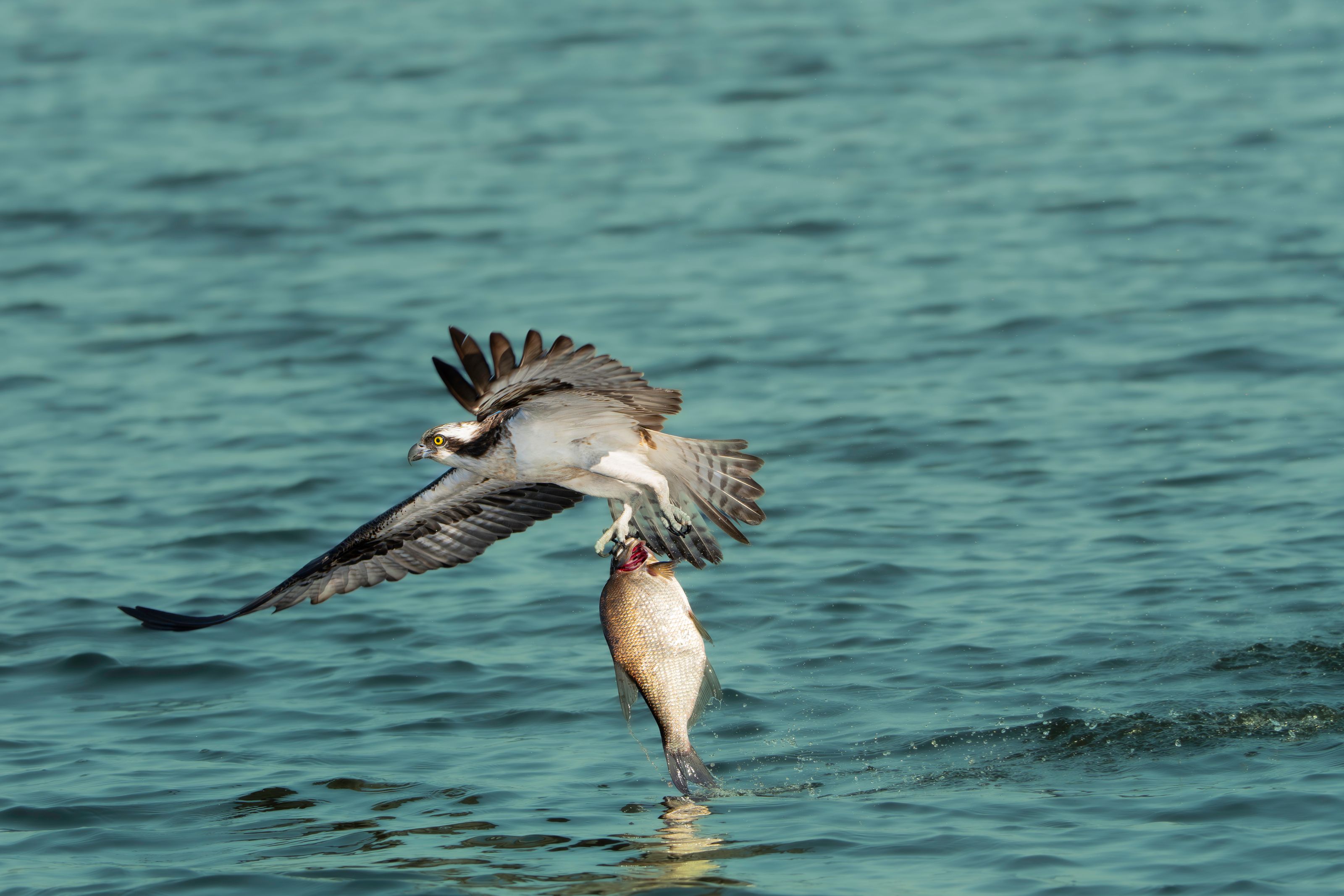
Along the tidal creeks of the Chesapeake Bay, the summer sound older watermen remember — the constant whistling of ospreys overhead — has gone quiet. A new peer-reviewed study says the birds are starving, and it has reignited a long-running fight over who gets to catch the small, oily baitfish at the base of the bay's food web.
The paper, published in Frontiers in Marine Science in June, drew on surveys of 571 osprey nests across the Chesapeake during the 2024 breeding season. Its authors — researchers from William & Mary's Center for Conservation Biology, the U.S. Geological Survey and partner institutions — found that in the saltier reaches of the bay, where ospreys depend most heavily on Atlantic menhaden, chicks are dying in the nest for lack of food.
"Osprey chicks are starving in their nests," said Dr. Bryan Watts, director of the Center for Conservation Biology at William & Mary and the study's lead author. "And the reason is simple. Their primary food source is menhaden. And that food source is no longer abundant."
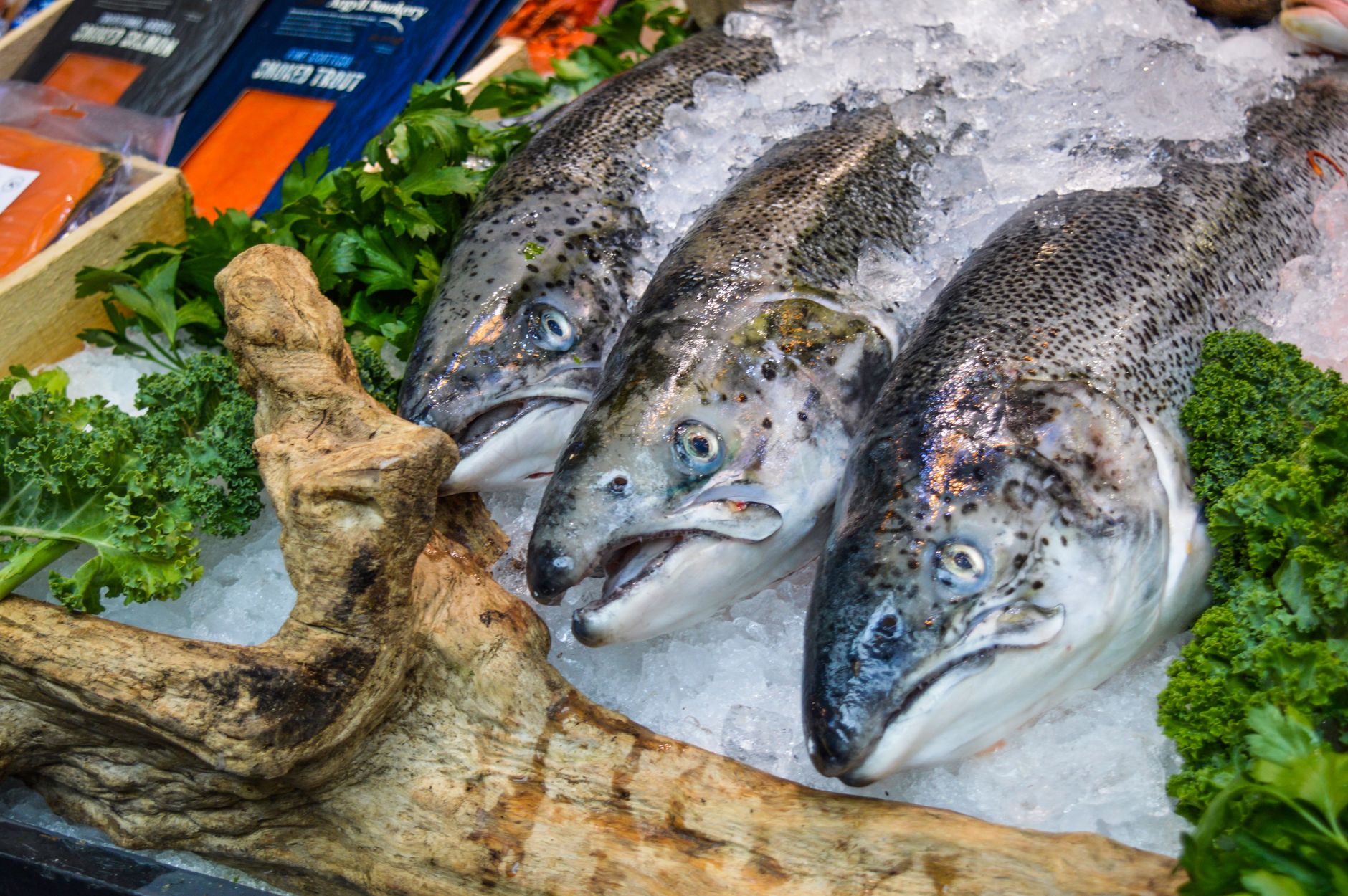
The Chesapeake holds more than 10,000 breeding pairs of osprey — roughly a fifth of the world's population. According to the research, the amount of menhaden that adults deliver to their chicks has fallen by about 80 percent over four decades. In parts of the bay, reproduction has dropped to less than half the rate needed to keep the population stable.
For conservation groups, the birds are a warning signal. "Ospreys continue to tell us something is wrong," said Will Poston, forage campaign manager at the Chesapeake Bay Foundation. "The science clearly demonstrates that declining menhaden numbers are driving this crisis. Virginia needs to listen." Poston wants regulators to pause industrial menhaden fishing inside the bay until research settles how much extraction the population can withstand. "Virginia can't afford to keep kicking this down the road," he said.
The menhaden fishery is no small operation. Ocean Harvesters, which supplies the reduction plant run by Omega Protein in Reedville, is permitted to land roughly 350 million pounds of menhaden a year, about 110 million of it from Chesapeake waters — the bulk of the entire Atlantic catch. The industry employs around 270 people on Virginia's Northern Neck.
That industry is pushing back hard. In a statement in July, Ocean Harvesters accused advocacy groups of twisting the osprey research to justify new fishing limits, noting that Watts himself has acknowledged his paper does not directly tie poor osprey reproduction to menhaden harvest. "The right path is Bay-specific science, not Bay-specific blame," the company said. It argued that ospreys also eat striped bass, catfish and gizzard shad, that water quality and temperature affect nesting, and that menhaden remain "not overfished" under coastwide management. Ben Landry, a spokesman for the industry, called the menhaden explanation "an oversimplified explanation for a complex ecological issue."
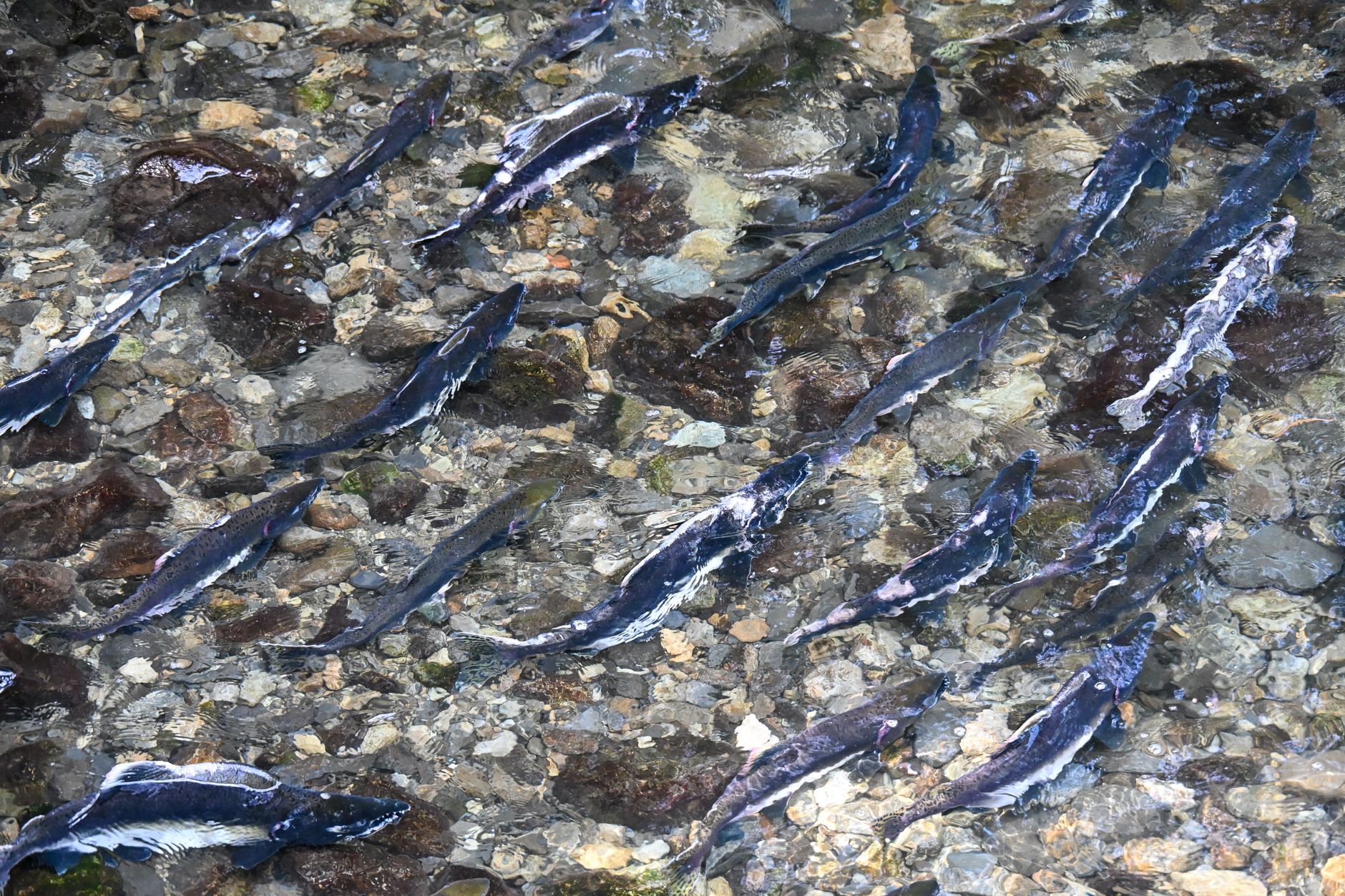
Scientists outside the bay say the pattern is hard to ignore. "The Ospreys are telling us that something is changing," said Don Lyons, director of conservation science at the National Audubon Society's Seabird Institute. "They are telling Omega, too." In New Jersey, Ben Wurst of the Conserve Wildlife Foundation has watched colonies collapse: one stretch that fledged 55 young a couple of years ago produced five last summer. "Everyone knows something is going on. The fact is, the fish are not here," Wurst said. "And the ones we do see are smaller." His warning to the fishing fleet is blunt: "If you're not sustainable, you're all going to be out of jobs."
Regulators have so far taken a middle path. The Atlantic States Marine Fisheries Commission's 2025 assessment suggested menhaden removals may need to fall by half to protect the bay's predators, but the commission approved a cut of about 20 percent — roughly matching recent landings. Congress has since allocated $2.5 million for a dedicated study of menhaden in the Chesapeake. Until it is done, the ospreys keep making the case that no press release can.