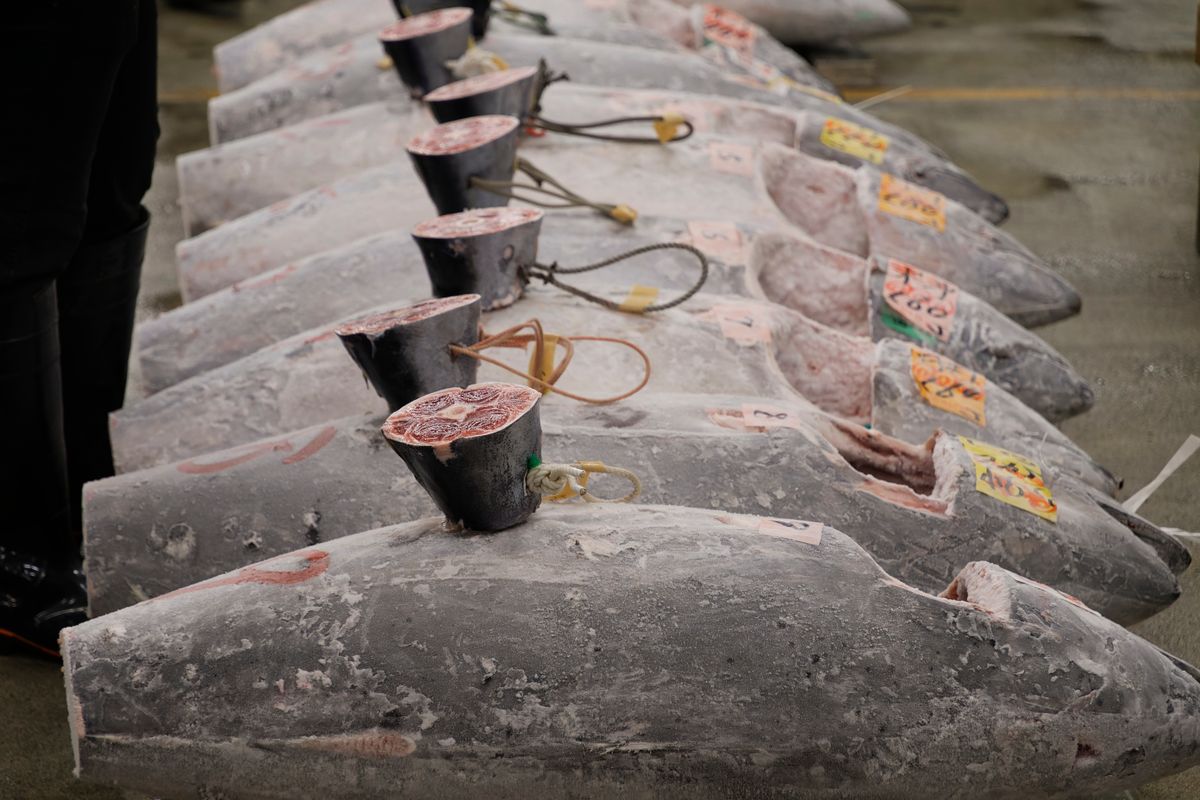
Japan's fishermen are hauling in more bluefin tuna than they have in years. That is turning into a problem.
An unusual surge of Pacific bluefin in Japanese coastal waters — driven by a genuine stock recovery and by warming seas nudging the fish along new migration routes — has run headlong into the catch limits meant to protect the species. Because those quotas are fixed for the year, a big early haul simply burns through the allowance before the colder months, when tuna are fattier and sell for far more. Set-net operators who exceed their share are forced to release fish they have already caught.
"It's truly upsetting to have to release fish that are right there in the net," Tadasuke Nakamura, a fisherman in Hakodate on Japan's Pacific coast, told Reuters.
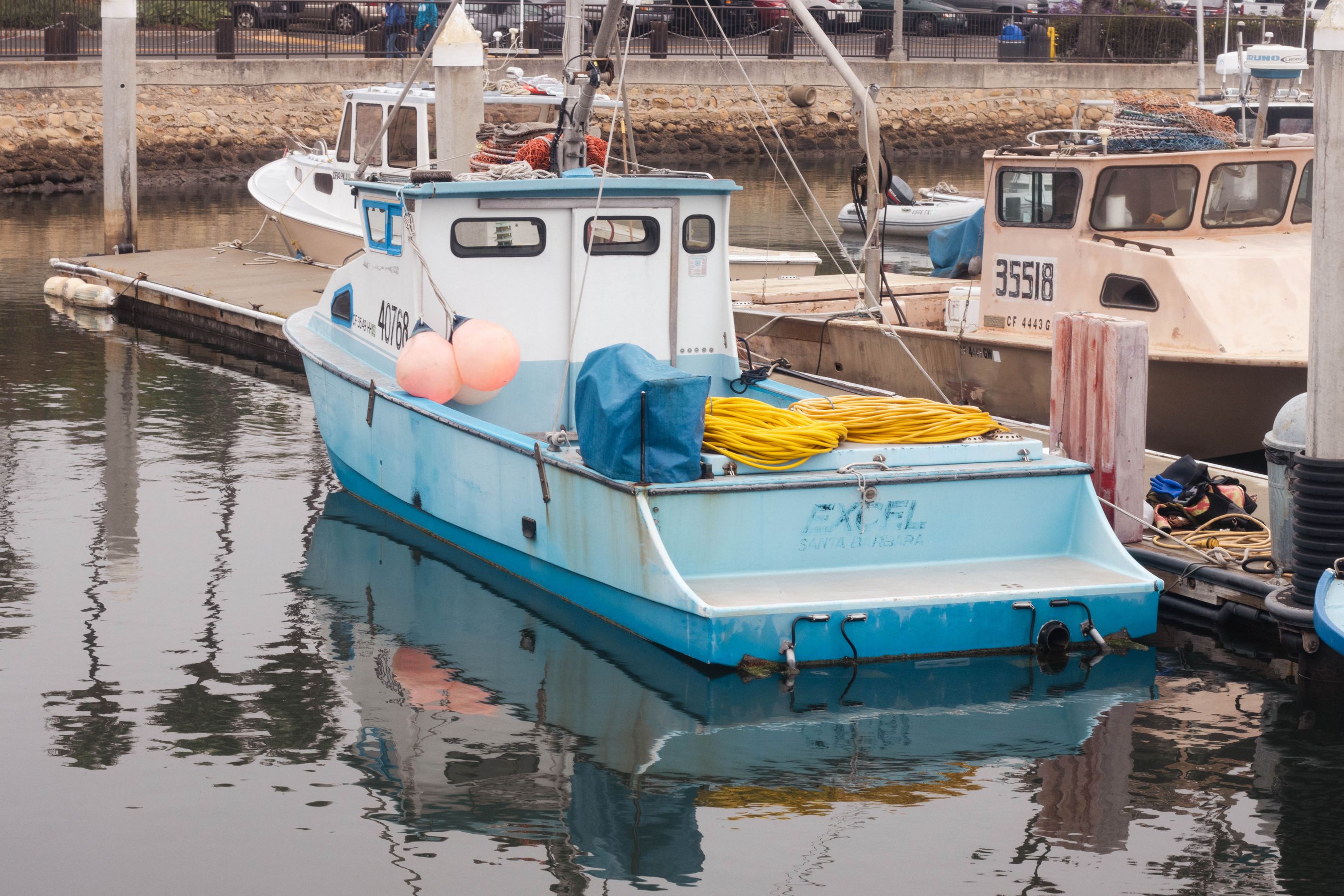
In Fukui prefecture, Toshiharu Uratani put the frustration more bluntly. "If there were a larger quota, we could have a massive haul," he said. "As it stands, we have to let the fish go, which means our efforts are wasted. The tuna are getting in the way."
That pressure is now driving Japanese policy. At a joint meeting of the Western and Central Pacific Fisheries Commission's Northern Committee and the Inter-American Tropical Tuna Commission, held in Nagasaki from July 8 to 14, Japan pushed to raise the region's quota for large bluefin — fish over 30 kilograms — by 25 percent, from 11,869 tons to 14,836 tons, starting in 2027. It proposed trimming the small-fish quota by about 6 percent in exchange, and wanted future limits set automatically by a formula tied to the size of the stock.
The talks collapsed without a deal. Mexico, on the final day, demanded a larger share of the eastern Pacific and opposed the draft; the United States had leaned on conservation at the previous year's failed round. A Japan Fisheries Agency councillor, Takumi Fukuda, did not hide his irritation.
"We were unable to reach an agreement because of the unreasonable actions of one country and we are feeling outraged," Fukuda said.
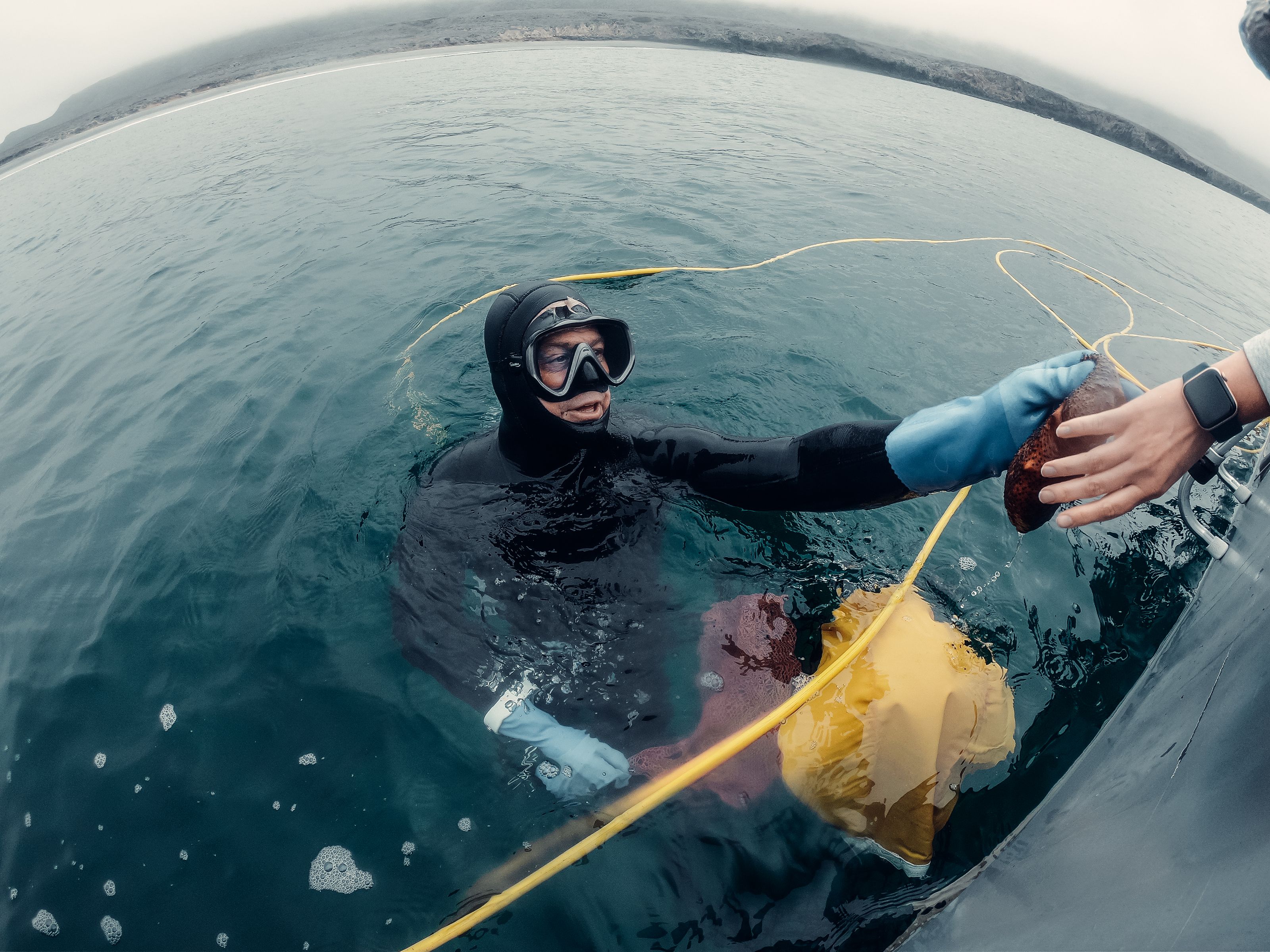
Back home, the governing Liberal Democratic Party's fisheries panels pressed the government to keep pushing for a bigger allocation, and Tokyo now hopes to settle the eastern-versus-western split before the IATTC's annual meeting in late August. A separate WCPFC meeting in late November offers another chance to lock in numbers for 2027.
The awkward truth underneath the fight is that the tuna really have come back. Japan's own national limit of 8,421 tons for large bluefin this year was itself a 50 percent jump on 2024, a measure of how far the population has climbed. Spawning-stock biomass has risen from around 12,000 tons in 2010 to 144,000 tons in 2022, and is projected to top 200,000 tons by 2030.
That recovery is precisely why some argue for caution before loosening the reins. "One reason for the increase in bluefin tuna is that resource management has been successful," said Masahiko Ariji, a professor at Kindai University's World Economy Research Institute — a pointed reminder that today's abundance was bought with years of restraint.
The glut is already reshaping markets across the region. In South Korea, which raised its own bluefin quota by 63 percent, dock prices have crashed from about 15,000 won per kilogram to as low as 2,300 won as supply overwhelms demand. For Japan's fishermen, watching prime fish slip back into the water while prices sag, the arithmetic is maddening — and the next quota fight is only weeks away.