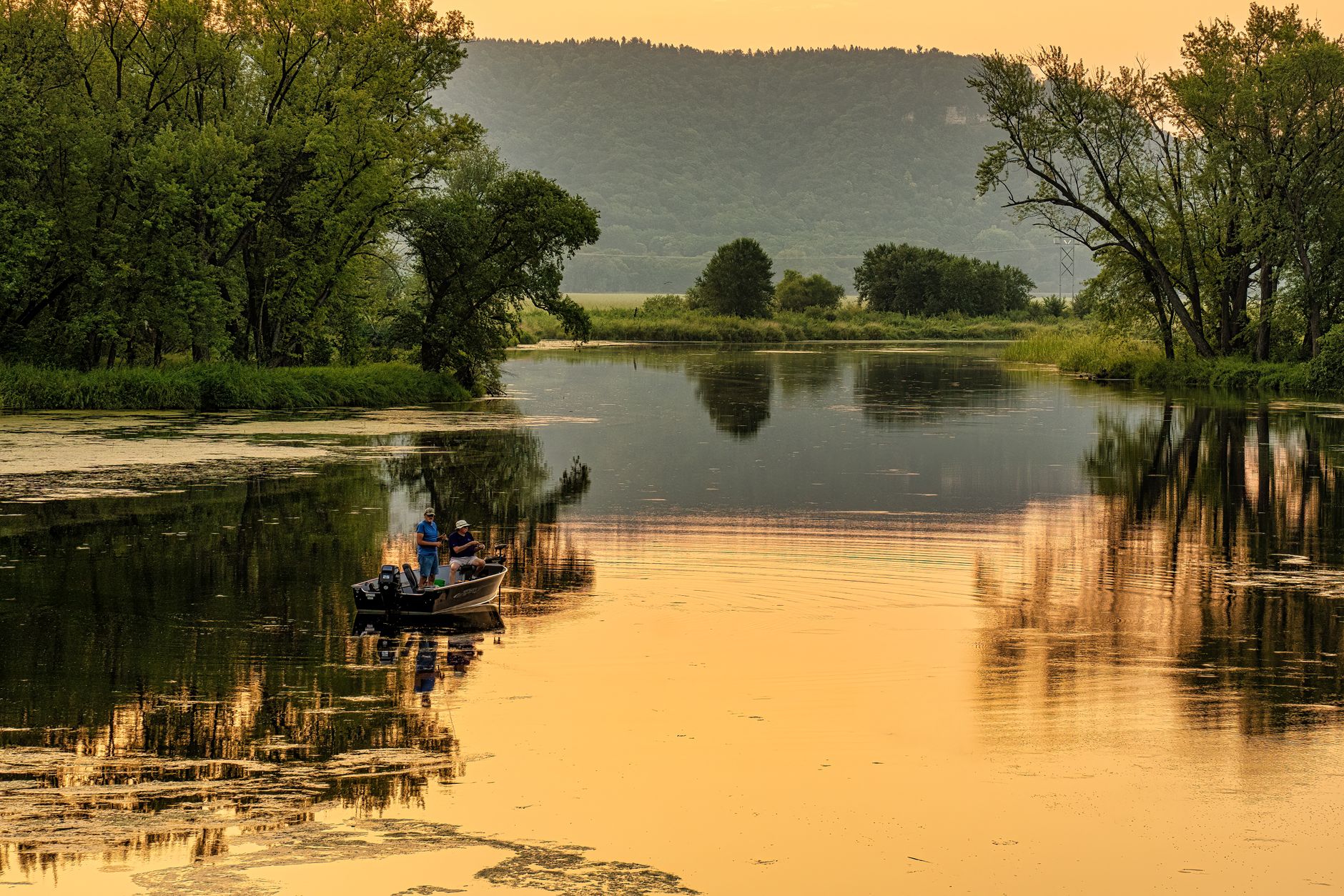
Anglers are back on the upper Sacramento River for the first time since 2023, with the Redding stretch opening to Chinook salmon on 1 August.
That followed the broader reopening on 16 July, when the California Department of Fish and Wildlife restored a full recreational Chinook season across the Sacramento system. The fishery had been shut since the run fell to critically low levels.
Redding-area guide Matt Mitchell said the fish arrived gradually.
"The fishing on the Sac started a little slow. August 1 on the upper opener, some quality fish around though, and every week it should be getting better and better," he told KRCR.
The closure hit his livelihood hard — Mitchell put the loss at 35 to 50 working days a year, forcing him to chase other species to keep the business running.
CDFW attributes the collapse to sustained drought, which stripped away the cold water Chinook need to spawn. A department spokesperson told KRCR that a run of wet years, habitat restoration and higher hatchery output combined to reopen full seasons in the ocean, the rivers and the commercial fishery.
Researchers treat the reopening as a signal rather than a finish line.
"When salmon aren't doing well, lots of other things in the environment aren't doing well," said Carson Jeffres of the UC Davis Center for Watershed Sciences.
The restoration coalition now spans farmers, water agencies and conservation groups. Near Woodland, winter-flooded rice fields are used as nurseries where juvenile salmon feed and grow before migrating.
"We've all come together and said we're going to improve conditions for salmon," said David Guy, president of the Northern California Water Association. "It's some of the most exciting work we're doing."
On Putah Creek in Solano County, streamkeeper Max Stevenson rebuilt spawning habitat by reshaping the streambed. More than 21,000 spawners have returned, producing an estimated 500,000 young fish.
"That's a great number," Stevenson said. "That's like having a small hatchery out here."
Upstream near Redding, boulders and trees are being placed back into the channel to slow the water down for juveniles.
"Hopefully, what we're doing is holding those fish longer, letting them get bigger before they turn and head to the ocean," said Roger Cornwell, president of the Sacramento River Settlement Contractors.
"Any day you can catch one fish per person, that's a great day," he said. "We're all excited. The season's only going to get better."
At the Oroville Wildlife Area in July, angler Rick Dao boated a 13-pound Chinook. "I got super lucky. My friend hooked one and then I hooked one," he said. "It fought very hard, ran like 3 times, but I'm glad I got her in."
For Jeffres, anglers on the water are an asset to recovery, not a threat to it: "The ability to have people go and catch fish and use the resource is one of the ways you bring that energy for conservation and management."