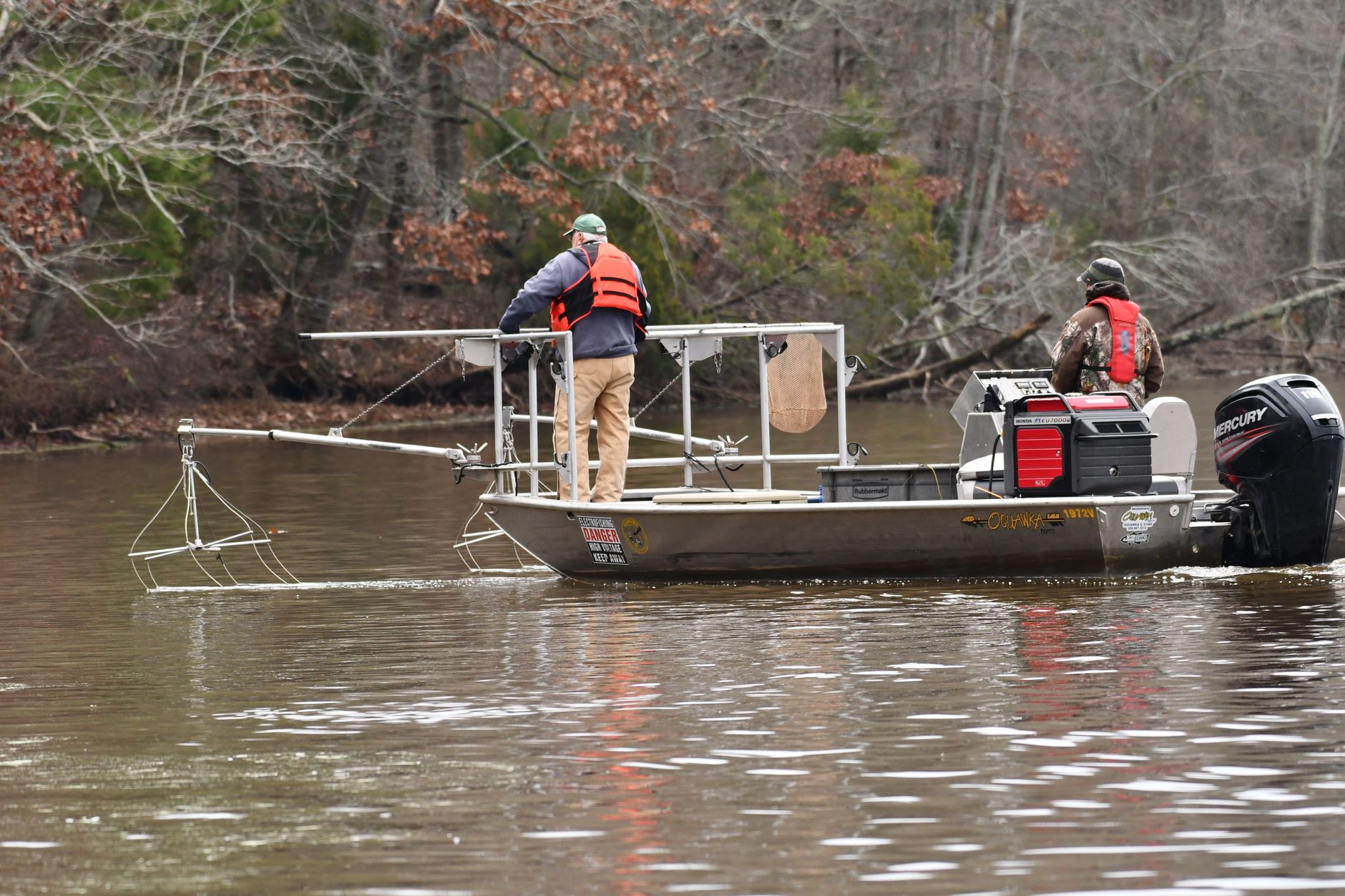
Every catch limit in US federal waters traces back to a stock assessment, and every stock assessment ultimately traces back to a survey vessel doing expensive work in a large ocean. A bill now before the Senate proposes a supplement: test the water itself.
The Fisheries Science Modernization Act, introduced in early August, would direct NOAA Fisheries to set up an eDNA Fishery Stock Assessment Pilot Program, write an agency-wide plan for the technology, take eDNA samples as a matter of routine during existing surveys, and create a National Aquatic Biomolecular Coordination Network to standardise how it is all done.
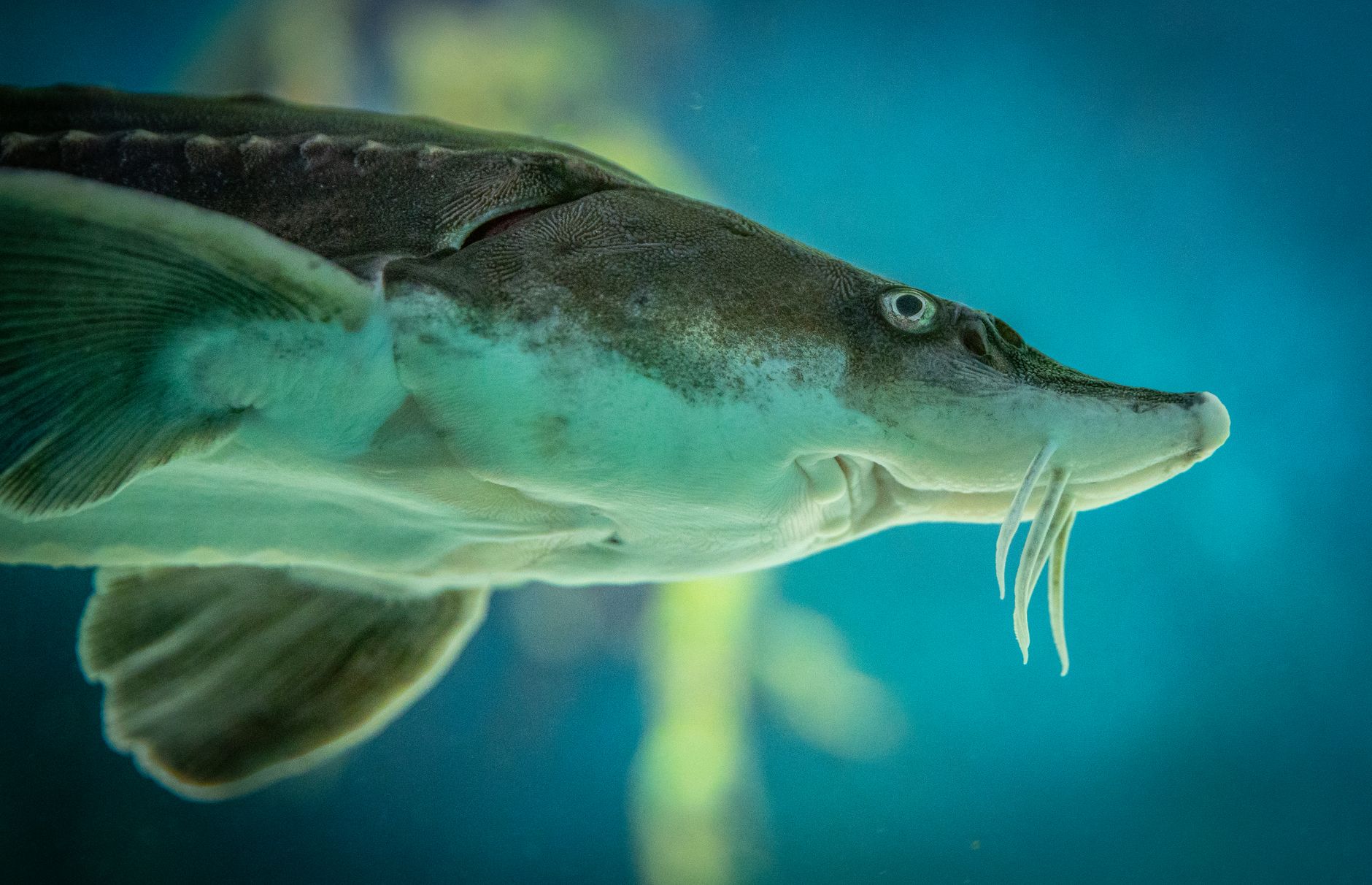
Environmental DNA is the genetic material fish shed into the water as they go about their lives. Analyse a sample and you can say which species passed through. It is cheap relative to towing gear, it works on fish at any stage of development, and it is good at flagging rare or invasive species. It is also vulnerable to contamination, and there is a lag between when a fish was there and when its DNA disperses - which limits how precisely you can pin down distribution.
The sponsors are Lisa Murkowski (R-Alaska) and Sheldon Whitehouse (D-Rhode Island), with Dan Sullivan, Jeff Merkley, Chris Van Hollen, Patty Murray, Angus King and Adam Schiff signed on.
"Without accurate stock assessments, we cannot make the informed, science-based management decisions needed to ensure our fisheries remain sustainable for generations to come," Murkowski said in a release. "Environmental DNA is an innovative, cost-effective tool that will give our scientists a clearer picture of our fisheries while expanding survey coverage and reducing costs."
Context matters here. Staff cuts and the long federal shutdown in late 2025 left NOAA Fisheries short of assessment capacity for Alaska stocks at exactly the point managers needed numbers to set harvest limits, the Alaska Beacon reported. A cheaper survey method arriving in that environment invites an obvious question about substitution.
Sullivan addressed it directly.
"As fish stocks shift and ocean conditions become more variable, we need to invest in both the traditional surveys that have served us for decades and innovative technologies that can make those surveys even stronger," he said. "By thoughtfully investing in and integrating new tools, we can improve the quality of stock assessments, better support our fishermen and communities, and ensure America's fisheries remain among the best managed in the world."
Industry support arrived with that same caveat spelled out at length. Andrea Keikkala, executive director of United Catcher Boats, endorsed the bill and then asked Congress to fund it properly.
"We recommend that Congress ensure NOAA Fisheries has adequate resources to successfully implement these important new responsibilities without reducing investment in existing stock assessments, fishery-independent surveys, cooperative research, observer programs, or other core science activities," Keikkala said. "Investments in eDNA should complement, rather than displace, the core science programs that have made the United States the global leader in sustainable fisheries management."
Linda Behnken of the Alaska Longline Fishermen's Association took a different angle, treating the bill as much about process as about technology.
"Environmental DNA is a promising new tool for fisheries and ecosystem assessment that could improve fisheries management while also lowering costs," Behnken said. "Senator Murkowski's Fisheries Science Modernization Act will advance this technology while also improving oversight and collaboration."
Cornell ecologist David Lodge, whose work is in this field, welcomed it as formalising a direction NOAA has already taken. The agency has used eDNA to screen for invasive species in the Pacific Northwest and to distinguish rockfish species in Alaskan habitats that are difficult to survey with gear.
"It offers a less invasive and more comprehensive way to assess rockfish populations, particularly in hard-to-reach habitats," NOAA Fisheries said of that rockfish work.
Endorsements have also come from the Cape Cod Fishermen's Alliance, Ocean Conservancy, the Environmental Defense Fund, the Pacific Seafood Processors Association and the Alaska Ocean Observing System. The bill has been introduced only - it still has to clear committee, and the funding question that industry raised will be settled somewhere other than the bill text.