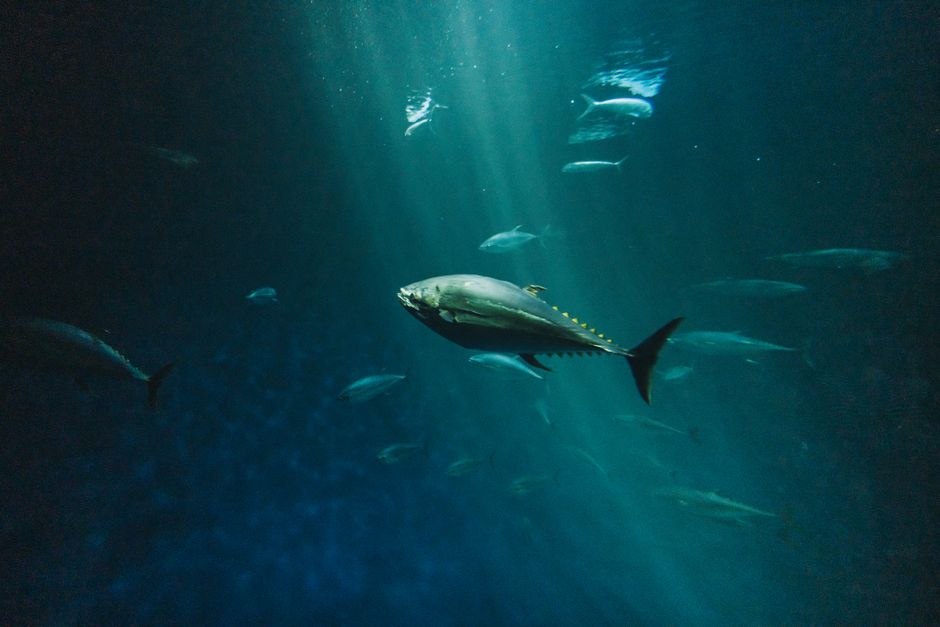
Private-boat anglers chasing Atlantic bluefin tuna got more room to fill the cooler this month. Under a retention-limit adjustment NOAA Fisheries published in late May, the angling-category daily limit for private vessels rose to two fish from one, effective June 1 and running through December 31, 2026. The trophy fishery — one giant over 73 inches per vessel per year — reopened on January 1. The angling category's baseline quota for the year sits at 1,316.14 metric tons.
The bump is a small loosening in a fishery that slammed shut last summer. In August 2025, NOAA closed the entire recreational bluefin season through year's end after anglers blew through the quota during a banner run of school fish off New Jersey, Long Island and southern New England. Recreational anglers had already exceeded the angling-category quota by at least 50 percent in 2024; tighter 2025 limits could not keep pace with the bite.
Behind every one of those numbers is a deeper problem: the quota itself rests on assumptions about bluefin biology that are decades old, and a wave of new science is challenging them. Atlantic bluefin ignore borders — a fish caught off Montauk may winter off Spain — so the catch is set internationally by ICCAT, the 55-nation body that assigns each country a slice of the total allowable catch. There is no flexibility for an unexpectedly good year.
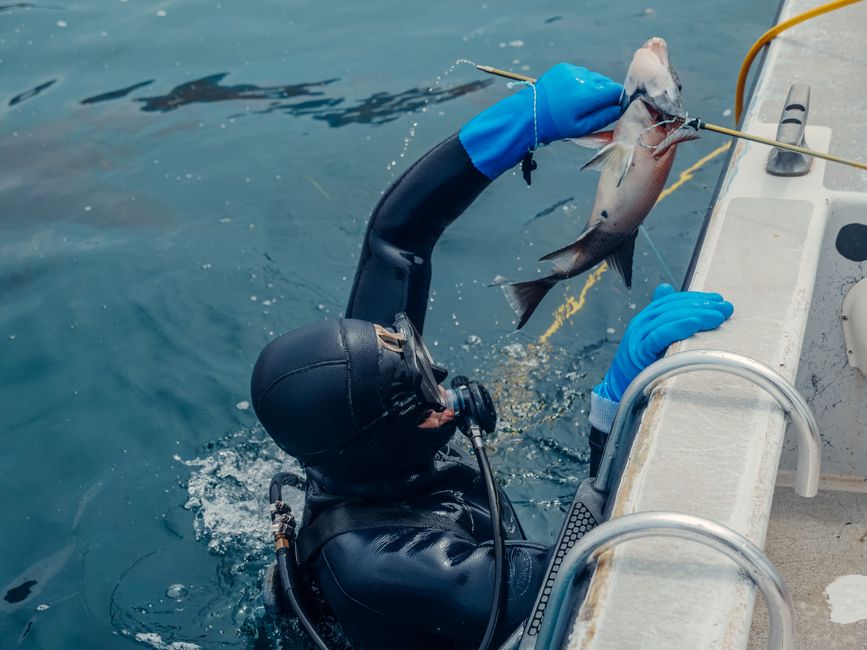
The science reshaping that math has been building for thirty years. Starting in the mid-1990s, Stanford's Dr. Barbara Block began implanting archival tags in bluefin that recreational anglers helped catch and release. The recovered tags showed western fish crossing the ocean and mingling with their Mediterranean counterparts far more than managers had assumed — meaning conservative U.S. quotas alone could never rebuild the stock.
Dr. Molly Lutcavage, of the Large Pelagics Research Center, pressed a different question: where do they spawn? Since the 1970s, models assumed western bluefin bred only in the Gulf of Mexico. In 1999 she proposed they might also spawn in the central and northwest Atlantic. The idea met heavy skepticism, but the tagging data kept pointing the same way.
Proof came from the larvae. In 2016, NOAA researcher Dr. David Richardson and colleagues published what they called "unequivocal evidence" of bluefin spawning in the Slope Sea, the water between the continental shelf and the Gulf Stream — and showed western fish mature younger than the models assumed. A January 2026 study then synthesized nearly seven decades of larval sampling.
"When we compiled data from many surveys, the consistency was remarkable," Richardson said. "When you sample the same area at the same time of year, you consistently find bluefin larvae."
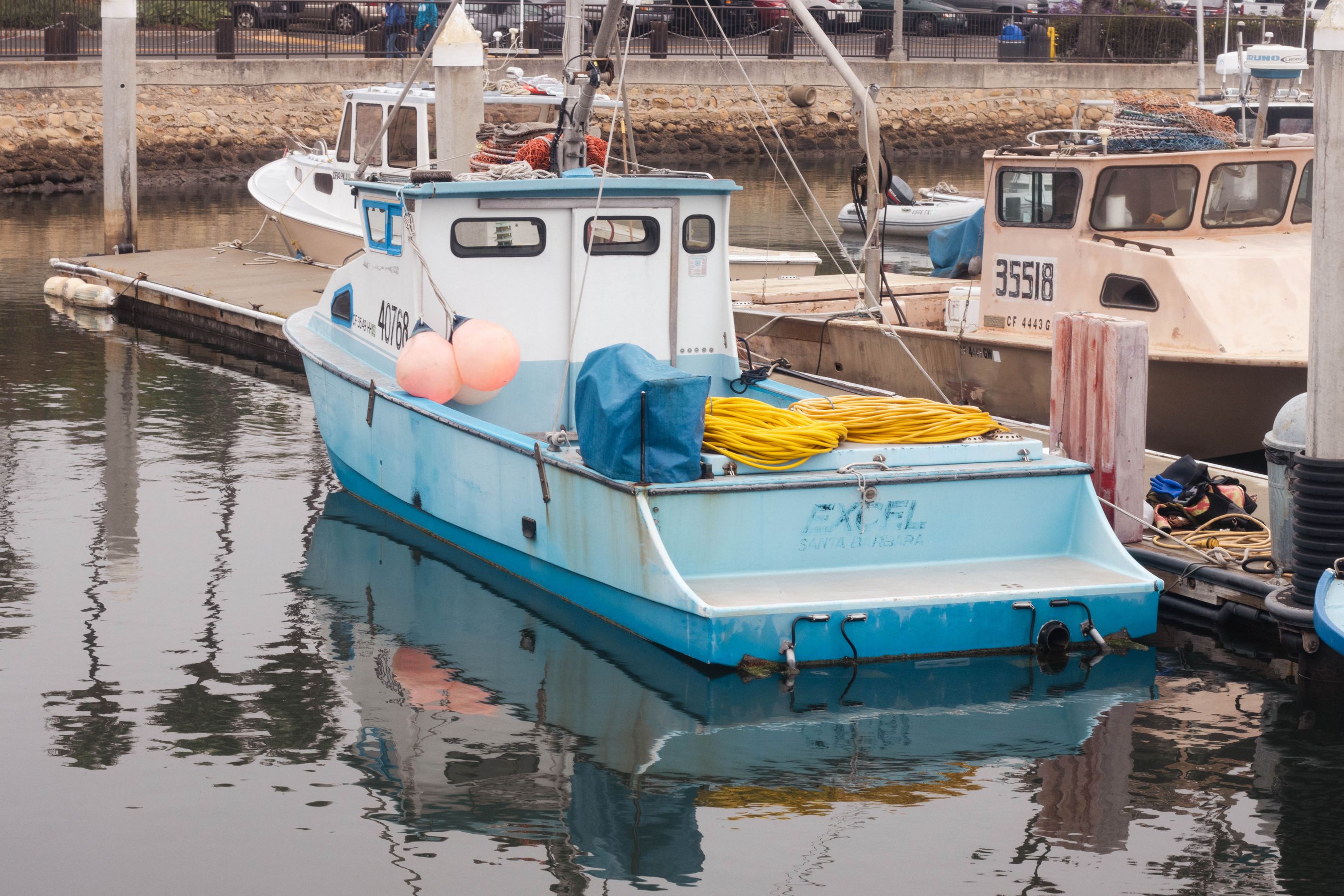
NOAA's Northeast Fisheries Science Center ran two dedicated Slope Sea surveys in summer 2025; larvae turned up in more than 60 percent of 70 tows. Richardson thinks the catch will surprise managers. "A prediction I have is that we're going to see much smaller fish spawn those larvae that we collected in the Slope Sea survey, including fish below the commercial size limit," he said — which would mean the recreational-size fish anglers target are themselves breeding offshore.
Meanwhile, Dr. Walt Golet's lab at the University of Maine is using Close-Kin Mark-Recapture — matching DNA from tissue clips to count parent-offspring and sibling pairs — to estimate how many bluefin actually exist. Genetic results from the 2025 surveys feed into an ICCAT management-procedure review beginning this year, with a full stock assessment due in 2026. If the science holds, the quota that cut your season short may soon be built on a very different picture of the fish.