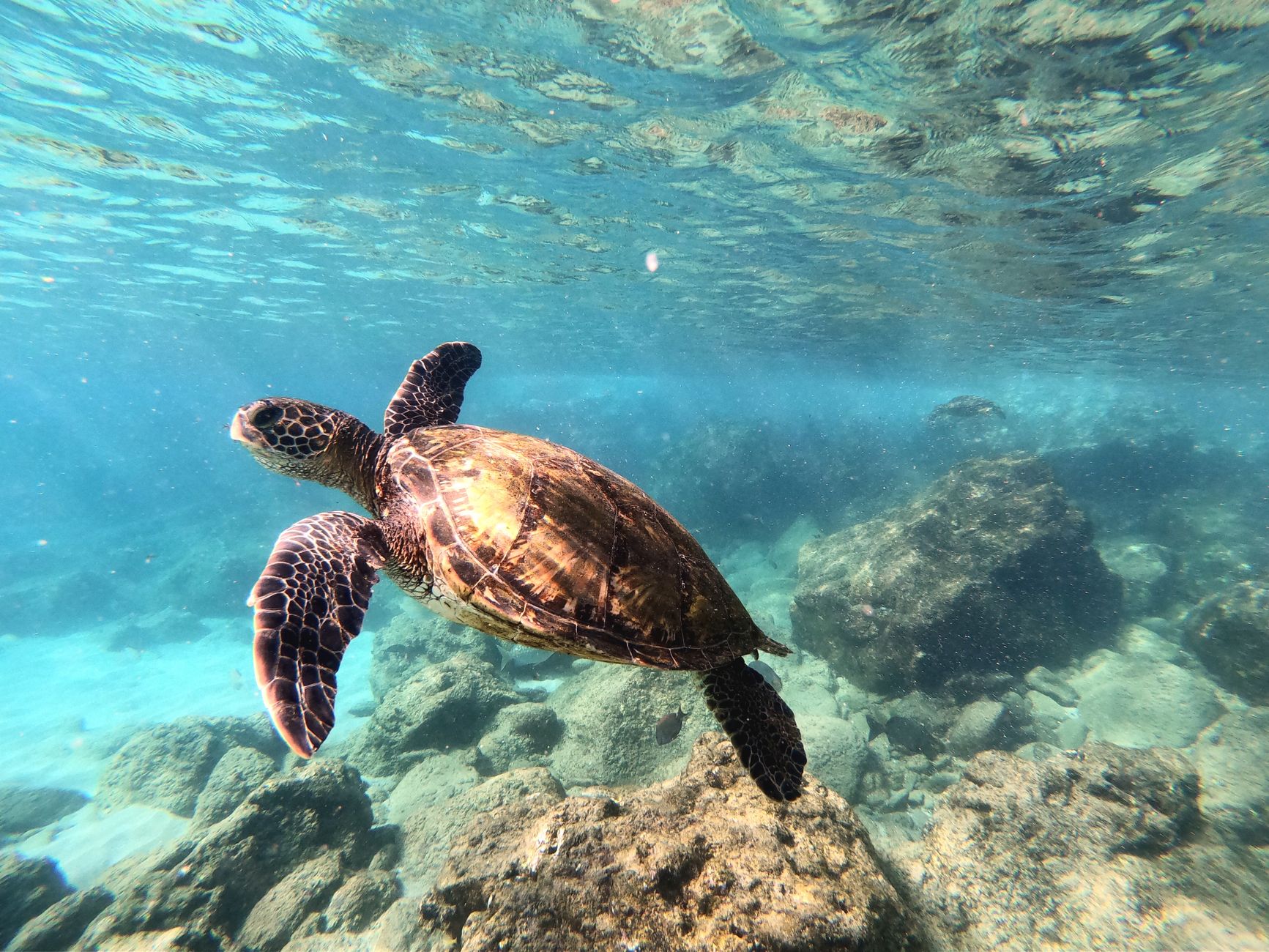
A small flashing light clipped to a fishing net is shaping up as one of the simplest ways to keep sea turtles, sharks and rays off the hook — and two fresh studies say it can now run entirely on sunlight.
The standout numbers come from trials off Isla El Pardito in Baja California Sur, Mexico. A team from Arizona State University, NOAA Fisheries and the World Wildlife Fund rigged gillnets with solar-powered LED buoys that blink on and off to stretch their charge. Writing in Conservation Letters, they logged a 63 percent fall in predicted mean sea turtle bycatch — with no meaningful hit to the target catch of yellowtail amberjack over 400 hours on the water.
For Jesse Senko, the ASU marine biologist behind the project, ditching disposable batteries is what makes the idea scalable.
"The results were pretty exciting. It's a win-win in the sense that you're getting a light that lasts significantly longer, and it also seems to reduce bycatch just as effectively as lights that require replaceable batteries," Senko said.
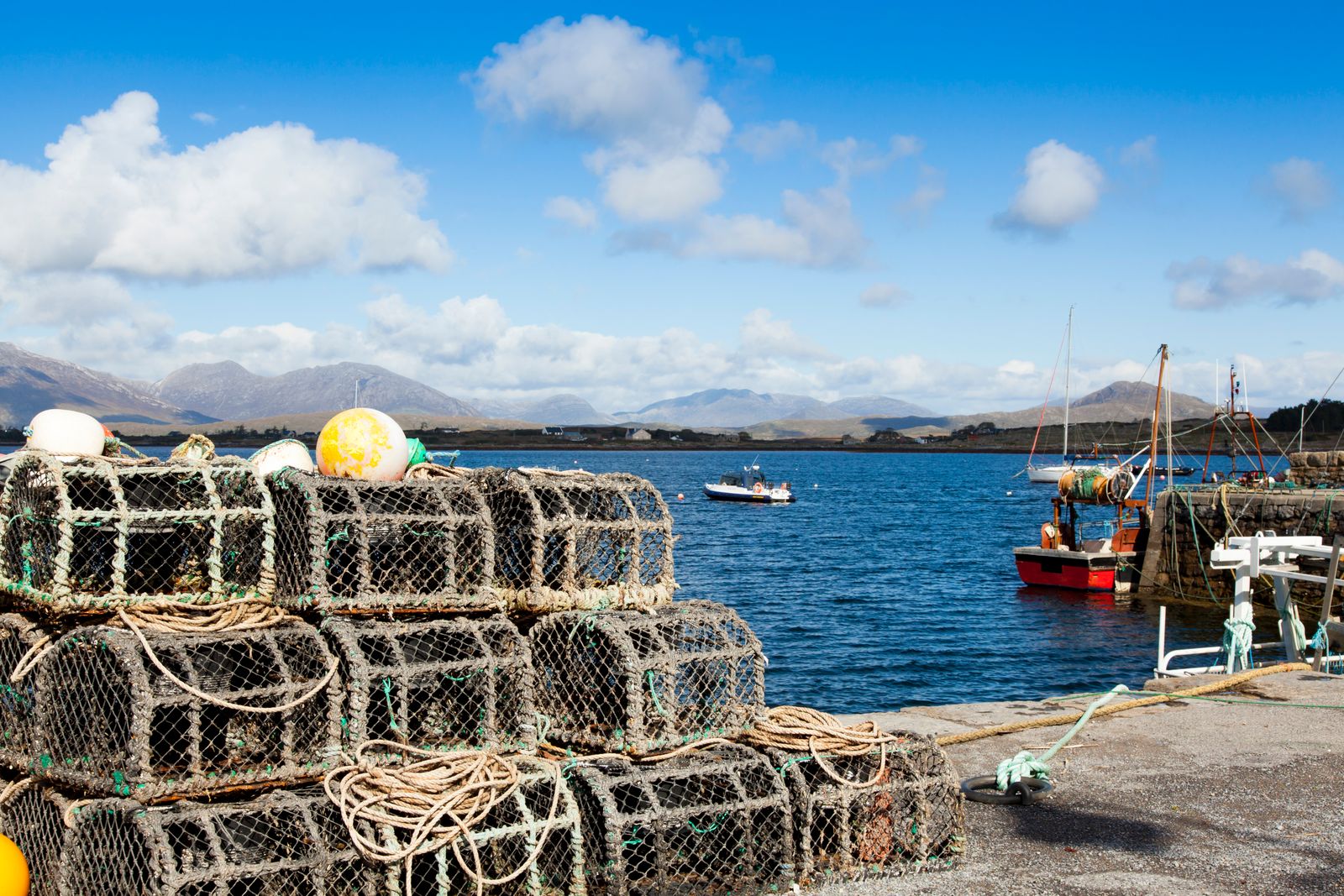
Each unit slides onto a net's float line like a standard buoy and keeps flashing for over five days without any sun. Senko frames the benefit in bigger terms than a single haul.
"Sea turtles are important for maintaining healthy oceans, which are needed to sustain resilient fisheries. They have been around for over a hundred million years, and they fulfill ecological roles that no other species fulfill," he said.
The turtle result sits alongside a wider study in Biological Conservation, published on 23 February, that looked far beyond turtles. ASU PhD candidate Kayla Burgher combed through seven years of data spanning more than 40 species off Mexico and North Carolina, weighing green LEDs, orange LEDs, ultraviolet LEDs and green glow sticks against one another.
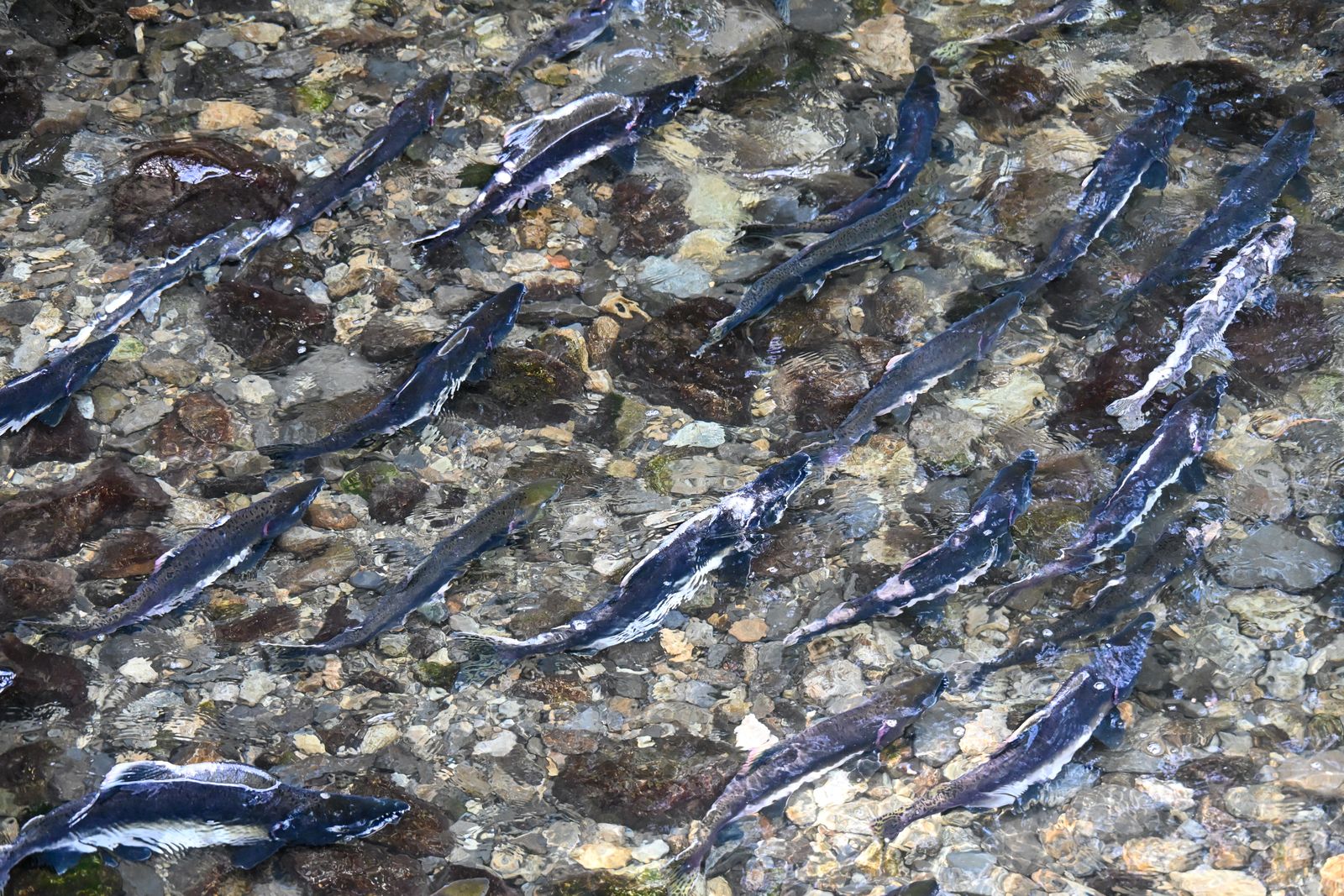
The lights, she found, are not a cure-all. Sharks, skates and rays — the elasmobranchs — backed off the nets, though colour mattered.
"We found that elasmobranchs had consistent reductions across all four light types, but the orange light worked best, with around a 50% reduction," Burgher said.
Fish with bony skeletons barely reacted. "We basically found no reductions for bony fish," she said, underlining that illumination is a precision tool aimed at at-risk sharks, rays and turtles rather than a fix for everything hitting the mesh.
The breadth of the data is why Burgher thinks the method can spread. "We included so many species that are found across the world's oceans. So this is applicable globally," she said.
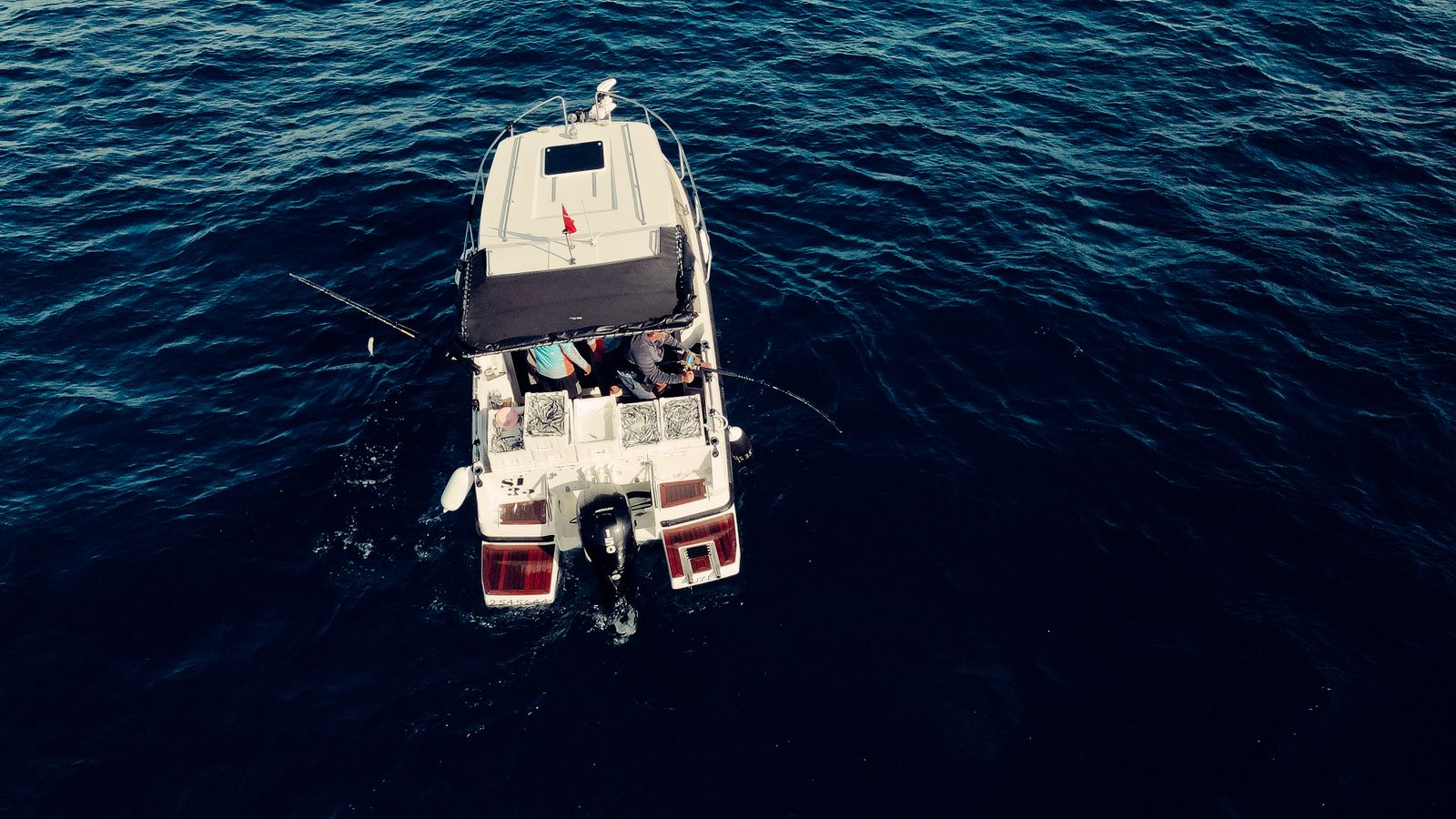
The fishers who trialled the gear valued being part of the design as much as the smaller bycatch. Juan Pablo Cuevas Amador, a Mexican gillnet fisher and co-author, said the partnership drove the result.
"They took us into account and gave us the freedom to give our opinions and make modifications. For us, it's important that it be done in collaboration because with what they know and what we know, we can do quite interesting things," Cuevas Amador said.
His family kept the prototype lights when the study wrapped and still fish with them, among the only crews on the planet running solar-illuminated nets. The team says its next version aims to halve both the size and the price, with a retail model expected via UK firm Fishtek Marine in the next two to three years.
Gillnets are among the harshest gear for air-breathing ocean life, snaring turtles, dolphins and seabirds alongside the fish crews are actually after. A self-charging light that costs little and spares the paying catch is precisely the kind of quiet fix researchers have hunted for years — if the cost can drop far enough for small fleets everywhere to fit one to every net.