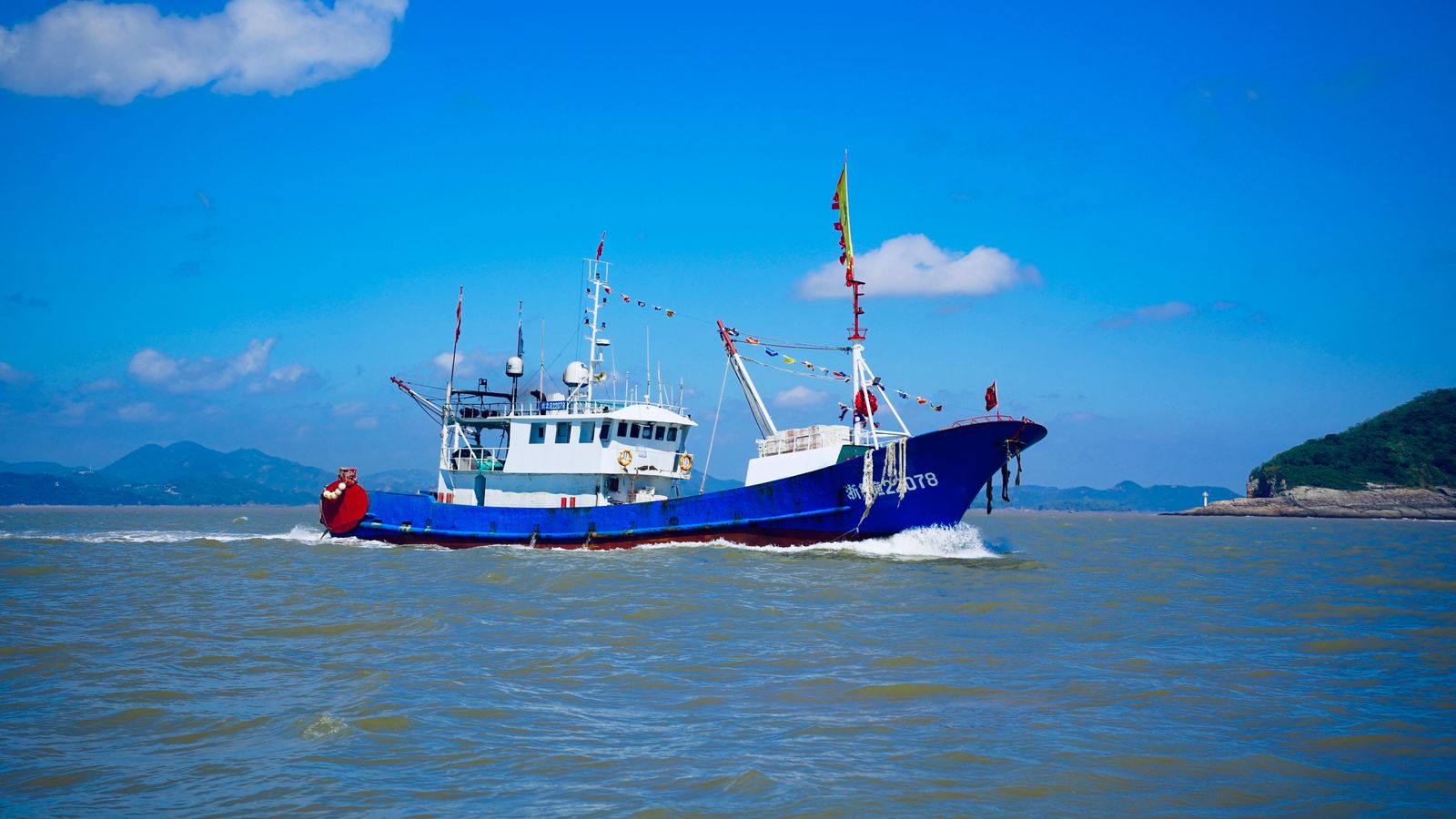
A building El Niño is already changing who lands what across the Pacific — closing anchovy grounds off Peru while sending warm-water gamefish surging up the California coast.
At its core the process is straightforward. Slackening trade winds choke the upwelling that normally lifts cold, nutrient-dense water to the surface off South America. Cut that supply and the whole food chain starts to fail.
"El Niño is the climate system's biggest player and one side of the El Niño-Southern Oscillation, or ENSO," said Dillon Amaya, a climate research scientist at NOAA. "With an El Niño expected to strengthen through the summer and fall, water temperatures will heat up even more." The pressure on marine life, he said, is real: "Marine heat waves can make living in the ocean feel like running a marathon."
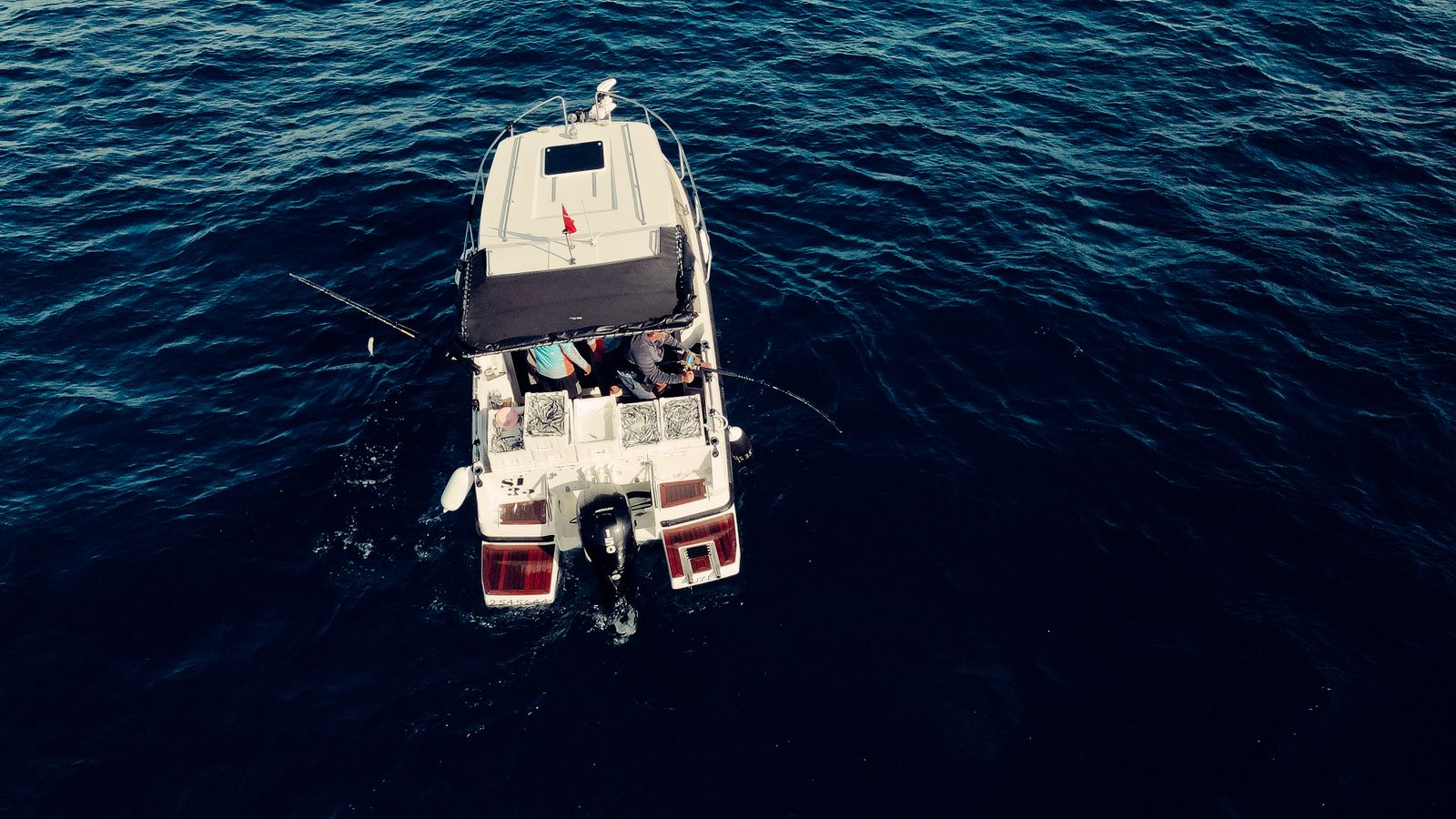
The clearest damage is off Peru. Its anchoveta fishery — the biggest single-species fishery anywhere, and the origin of about a fifth of the world's fishmeal — is in turmoil as the schools break up and drop deep. Humberto Speziani, a Peruvian industrial fishing adviser, said crews were finding anchovies "more than 100 meters below the sea surface," well beyond the working depth of their nets.
The cost reaches shore quickly. "People are worried," said Juan Carlos Sueiro, fisheries director at Oceana Peru, warning that "our vulnerability is increasing." Prices for everyday species such as jack mackerel and corvina have already doubled in local markets.
Ecologists fear a wider unravelling. Arnaud Bertrand, a senior scientist at France's National Research Institute for Sustainable Development, singled out the Humboldt squid, both a top predator and a huge fishery. "If the Humboldt squid collapses, then you'll have 10,000 boats that will try to find another resource," he said, adding that "each El Niño is different," and "with global warming, the worst is the most probable."
The record explains the worry. Samantha Garrard, a senior marine ecosystem services researcher at Plymouth Marine Laboratory, defined a strong event as one in which "sea surface temperatures in the tropical Pacific Ocean rise by more than 2°C," and cautioned that "it could be the most devastating one yet." The super El Niño of the early 1970s more than halved Peru's anchoveta catch; earlier events left Galápagos fur seals and sea lions to starve and thinned California's kelp forests by 50 to 70 percent.
There are winners. As warm water shifts tropical fish poleward, Southern California is riding a bonanza of yellowfin, bluefin, yellowtail and dorado. One San Diego sportfishing company manager captured the mood: "We've got yellowfin, we've got bluefin, yellowtail, and dorado. What else can you ask for?" Local boats put nearly 300,000 more bluefin on the deck in the first half of 2026 than in the same span a year before.
The ripples travel far. Pacific cod fell 70 percent in the Gulf of Alaska during a recent marine heat wave, and Bering Sea snow crab landings dropped 84 percent in a single year after another. Indian Ocean tuna typically thins out in El Niño years, and any stumble in Peruvian fishmeal feeds straight into aquaculture costs around the globe.