Australia has overhauled what its seafood importers must declare at the border, the latest move in a broad push to shut illegally caught fish out of a market that imported about 227,000 tonnes of seafood worth $2.8 billion in 2024-25.
Since July 1, importers and customs brokers have had to use new tariff codes that separate squid from shark and distinguish farmed product from wild-caught. The idea is to make supply chains more traceable and dubious shipments easier to spot. The Department of Agriculture, Fisheries and Forestry developed the codes with the Australian Bureau of Statistics, and more changes are due in 2027.
"Illegal, unreported and unregulated fishing remained a significant global issue with far-reaching environmental, economic and social consequences," said Nick Blong, DAFF's acting deputy secretary, adding that IUU fishing "undermines legitimate commercial fishing operations while placing additional pressure on marine ecosystems and fish stocks."
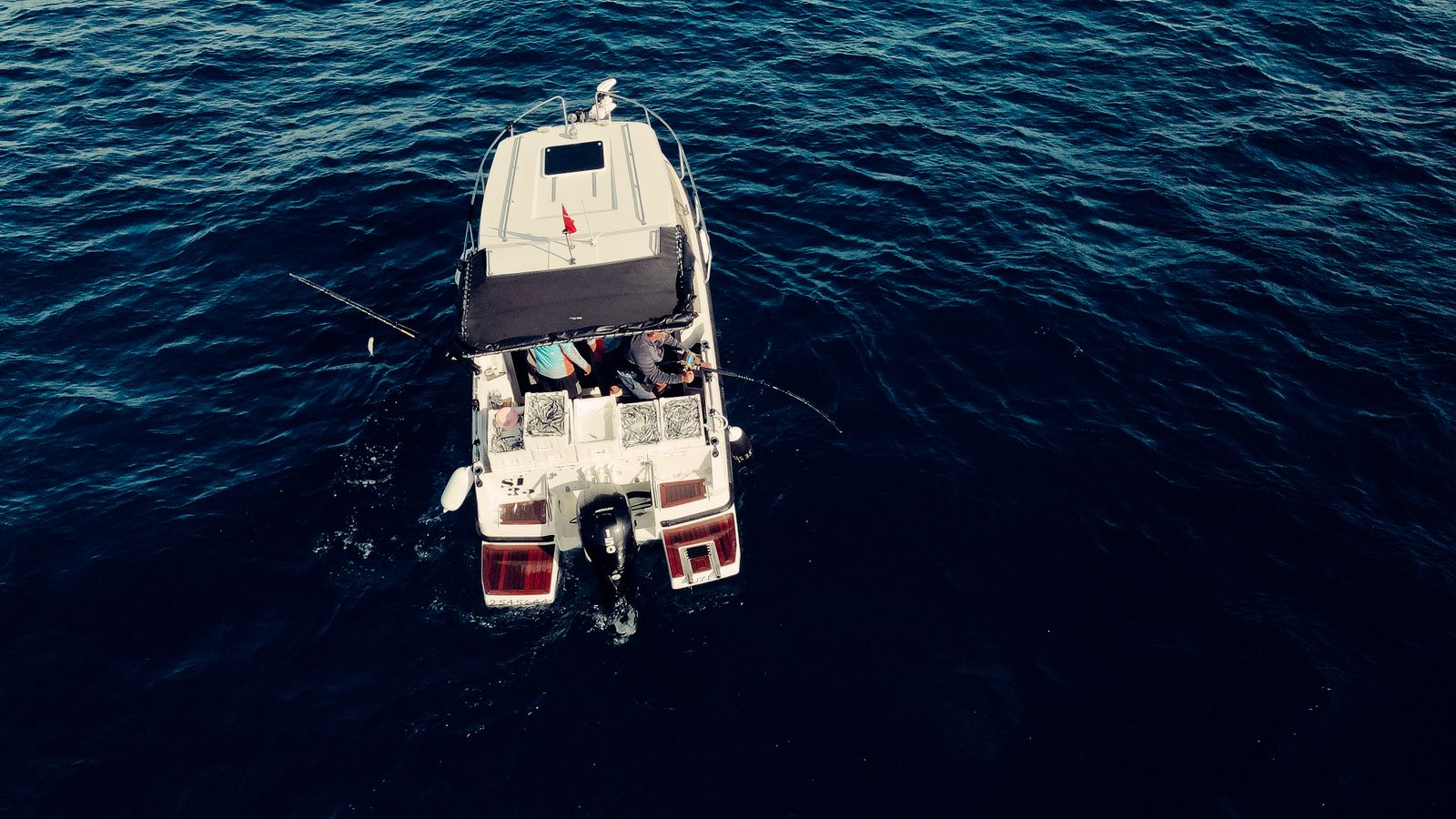
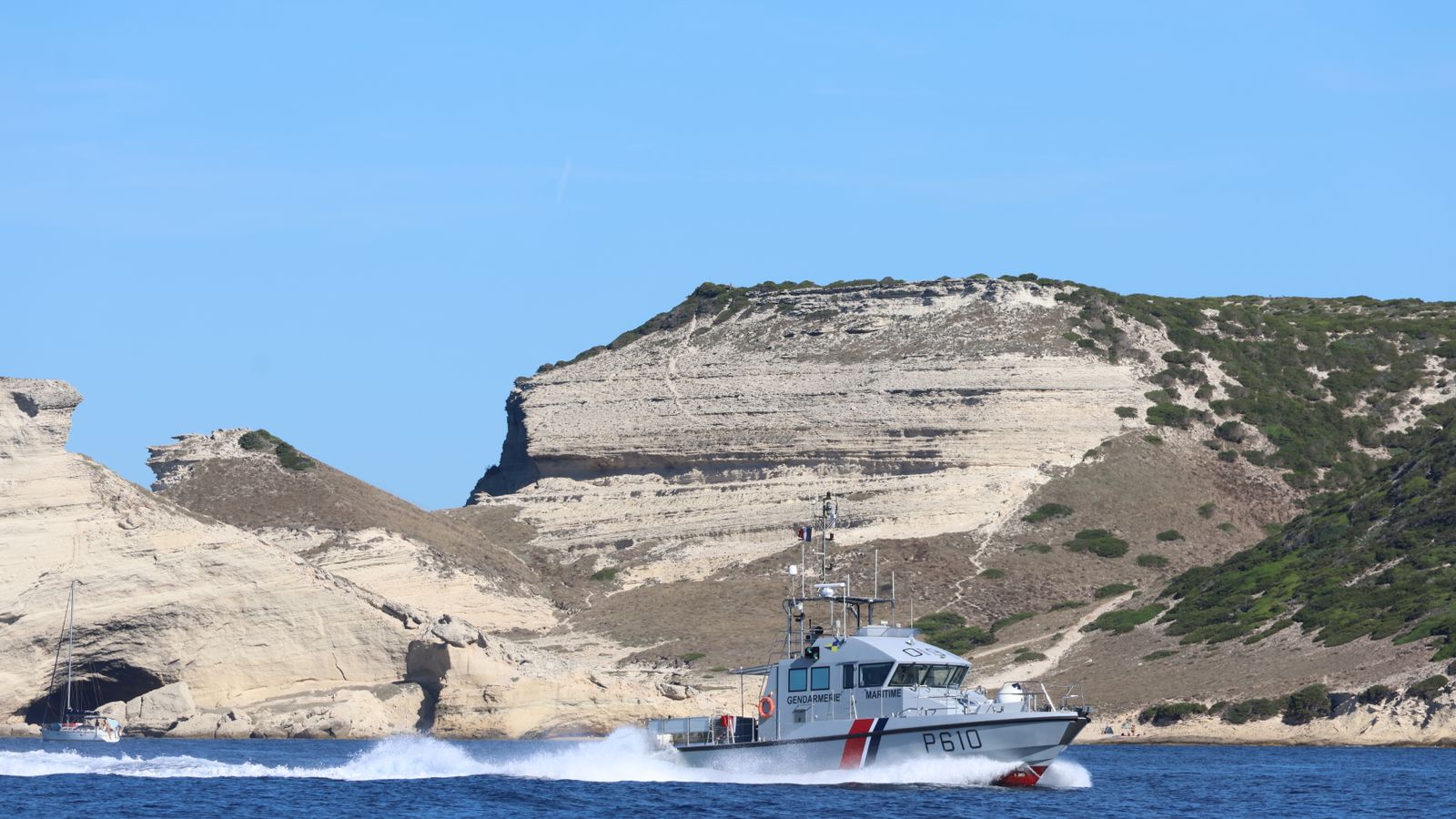
The new rules arrive as Australia keeps struggling to police its own waters. Vessels from eastern Indonesia keep pushing into the Australian Fishing Zone, and the apprehension figures suggest a problem that will not go away: 361 boats seized in 2005-06, 337 in 2021-22 and 172 by January this financial year.
A standout target is the sea cucumber, a lumpy bottom-dweller that fetches remarkable money in Asian markets — the endangered Japanese spiky sea cucumber can sell for more than $3,500 a kilogram. At the remote Rowley Shoals off Australia's northwest, some species' populations more than halved between 2018 and 2023. Across 2021 to 2023, officials stopped 112 vessels carrying roughly 22 tonnes of the creatures, perhaps 33,000 to 45,000 animals, and researchers believe the true total is far higher. The 2024 Operation LUNAR boarded more than 100 foreign boats and led to dozens of arrests.
Still, researchers say arrests and prosecutions treat the symptom, not the cause. Professor Natasha Stacey, an environmental scientist at Charles Darwin University whose team pinpointed 28 overlapping drivers behind the incursions, said crackdowns tend to punish the most vulnerable. "Even in instances when authorities successfully 'catch' fishers undertaking illegal behaviour, it is more likely to negatively impact on their households and women," she said.
The root cause, she argues, is poverty. Her team found that "the limited employment or other livelihood options for their menfolk in their communities is a motivating factor to fish in the AFZ," a pressure sharpened by COVID-era hardship. Her verdict: "Our research results highlight the need to move beyond fishers' noncompliance as the main approach to managing illegal fishing."
For anglers in Australia, commercial and recreational alike, the two fronts — stricter checks at the docks and a wearing patrol effort at sea — show how much of the fisheries fight now happens well beyond the water itself.