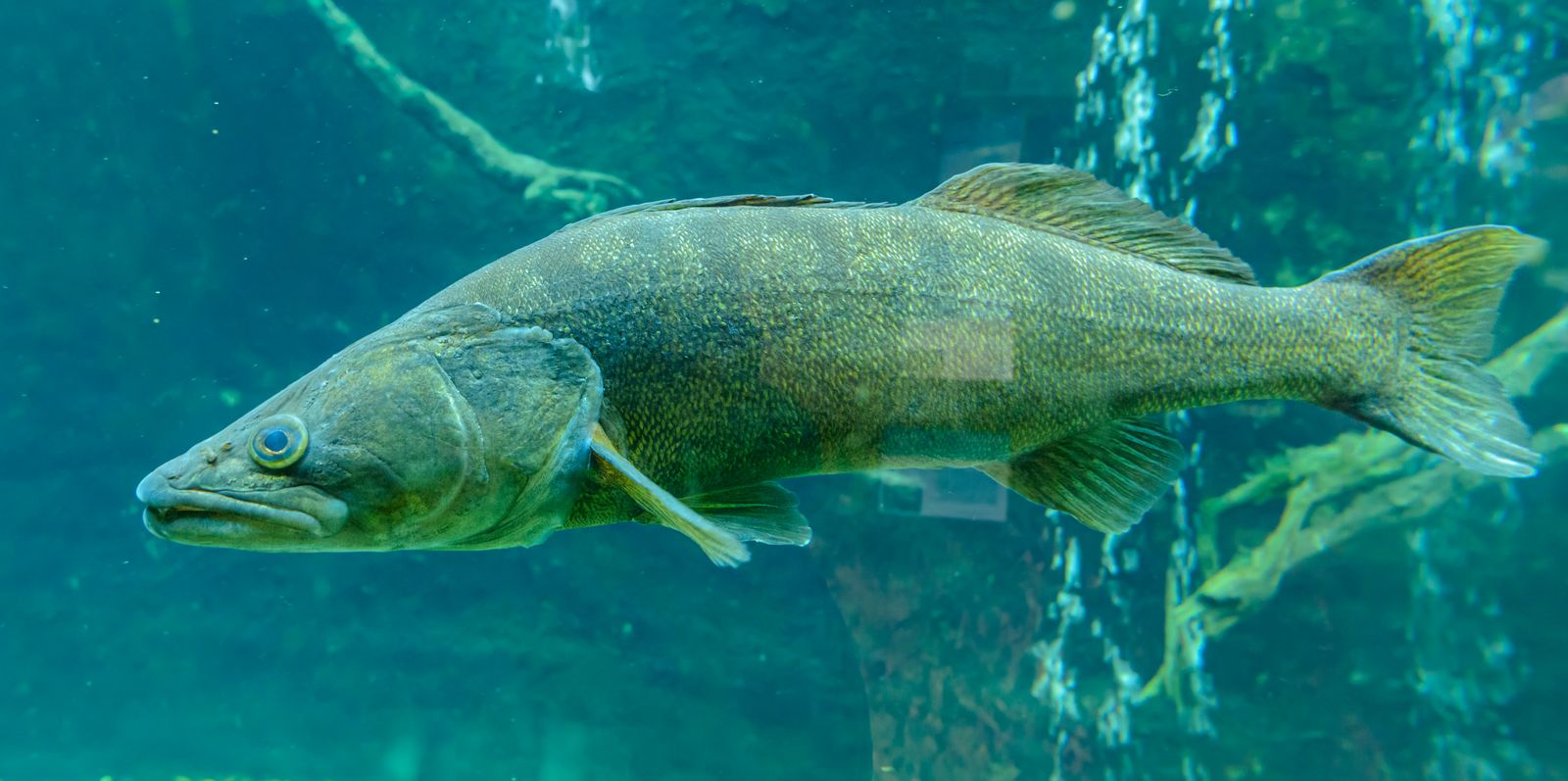
A fish that disappeared from Lake Erie around the time the average American family bought its first television is back in the water. Ohio wildlife officials have begun reintroducing native sauger to the rivers feeding the lake's western basin, kicking off a 10-year project they believe will eventually give anglers a fishery they have not had in living memory.
The first fingerlings went in on May 28. The ODNR Division of Wildlife released roughly 65,000 young sauger into the Sandusky River at Fremont's Darr-Root Fishing Access and a similar batch into the Maumee River at Perrysburg, according to local reporting. These initial releases are deliberately experimental — "test runs" across 2026 and 2027 to perfect the hatchery pipeline before the agency scales up to 500,000 fingerlings annually from 2028 through 2037.
It is a homecoming for a species that was once everywhere here. Sauger supported a commercial fishery that peaked at 6.2 million pounds in 1916, and ice anglers around the Lake Erie islands once sold them by the ton. By the late 1940s they had vanished from sport catches, finished off by overfishing, pollution, the lake's growing dead zone and interbreeding with walleye.
"It's always important to reintroduce a species that belongs here," said Eric Weimer, fishery supervisor at the Division of Wildlife's Sandusky Research Station, noting the sauger were a fixture in Lake Erie "right up until the 1950s when they kind of disappeared."
What makes the project interesting for anglers is that sauger fish differently from their walleye relatives. They stay in the rivers and bays — overlapping walleye habitat by under 1% in the Sandusky — and they are catchable from the bank.
"You don't need a 30-foot boat to catch sauger in the river or on the bay," Weimer said, adding that the goal is a "year-round" option for percid anglers.
The brood fish came from the Ohio River, chosen after genetic testing identified it as the nearest living relative of Erie's lost population, then raised at the state's Hebron hatchery. Hatchery Program administrator Joe Conroy said the stock "originated from males and females that were brought from the Ohio River."
A 1970s reintroduction failed, but biologists think conditions have improved since. Tearing out the Ballville Dam in 2018 reopened about 22 miles of Sandusky spawning habitat, and University of Toledo researchers concluded the rivers still hold enough nursery water for a self-sustaining population. The whole effort runs on angler money, funded largely through fishing-license sales — a fact a recent Cleveland.com editorial used to argue that Lake Erie's fishery remains an economic engine worth protecting. Ohio's record sauger, a 7.31-pounder, dates to 1981; a rebuilt run could put that number in play again.