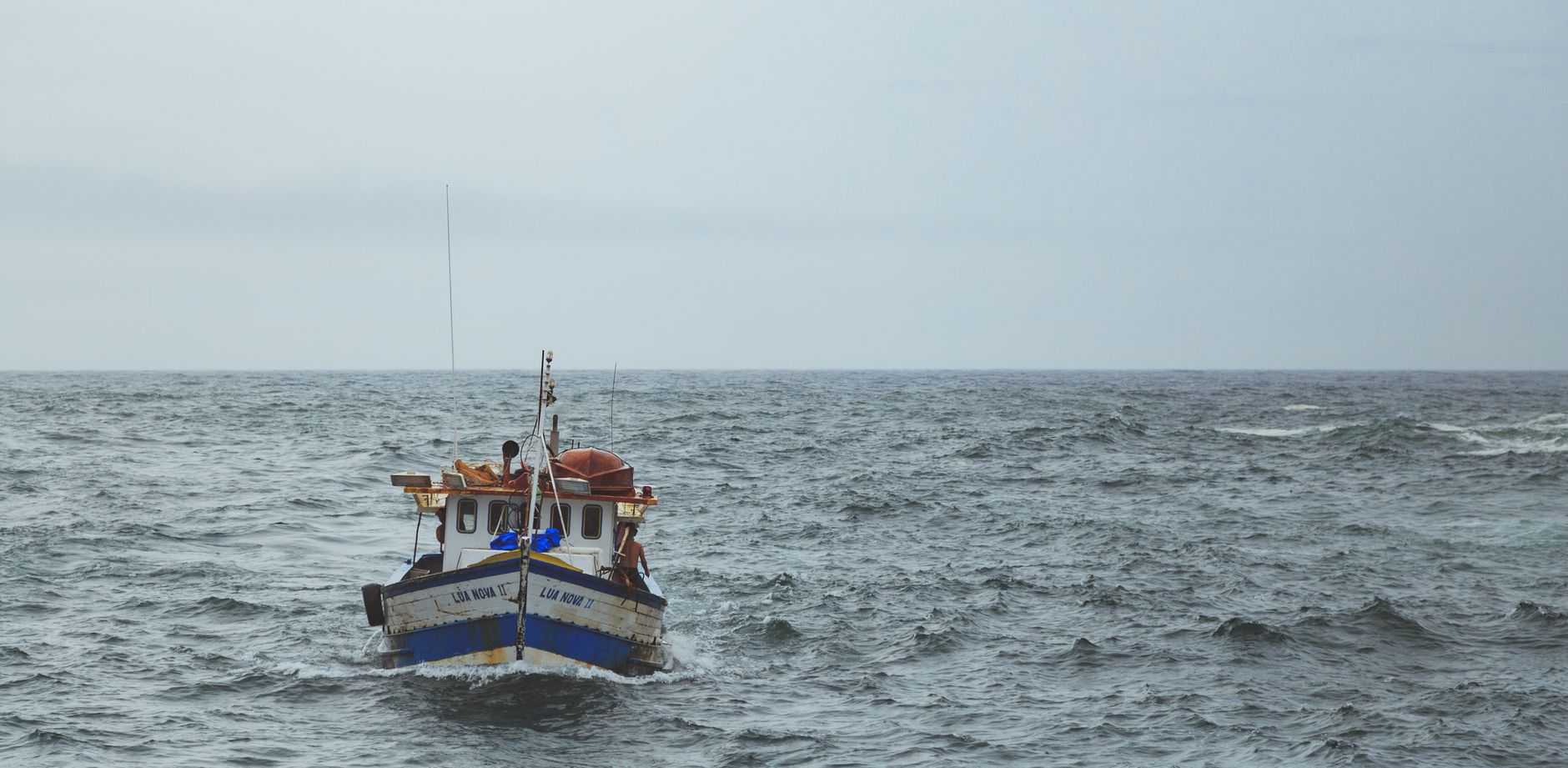
Return 'Em Right is no longer posting descending devices out for nothing. It is, however, posting them to a lot more people.
Since 13 May, anglers finishing the programme's free 15-minute online course have been asked to cover shipping and handling -- about $12 -- on a release kit valued at over $100. The package has not shrunk: a pre-rigged SeaQualizer descending device on a 3lb lead weight with a three-way swivel, and a SeaYaLater release hook. What has changed is who can order one. South Atlantic reef fish anglers are now eligible alongside the Gulf fleet the programme was built for.
Programme director Nick Haddad tied the charge directly to growth. "Return 'Em Right has grown from zero to over 50,000 anglers in the past four years, and the response from our community has been overwhelmingly positive," he said. "By asking anglers to cover shipping and handling moving forward, we're allowing the program to expand its reach and deliver stronger conservation results."
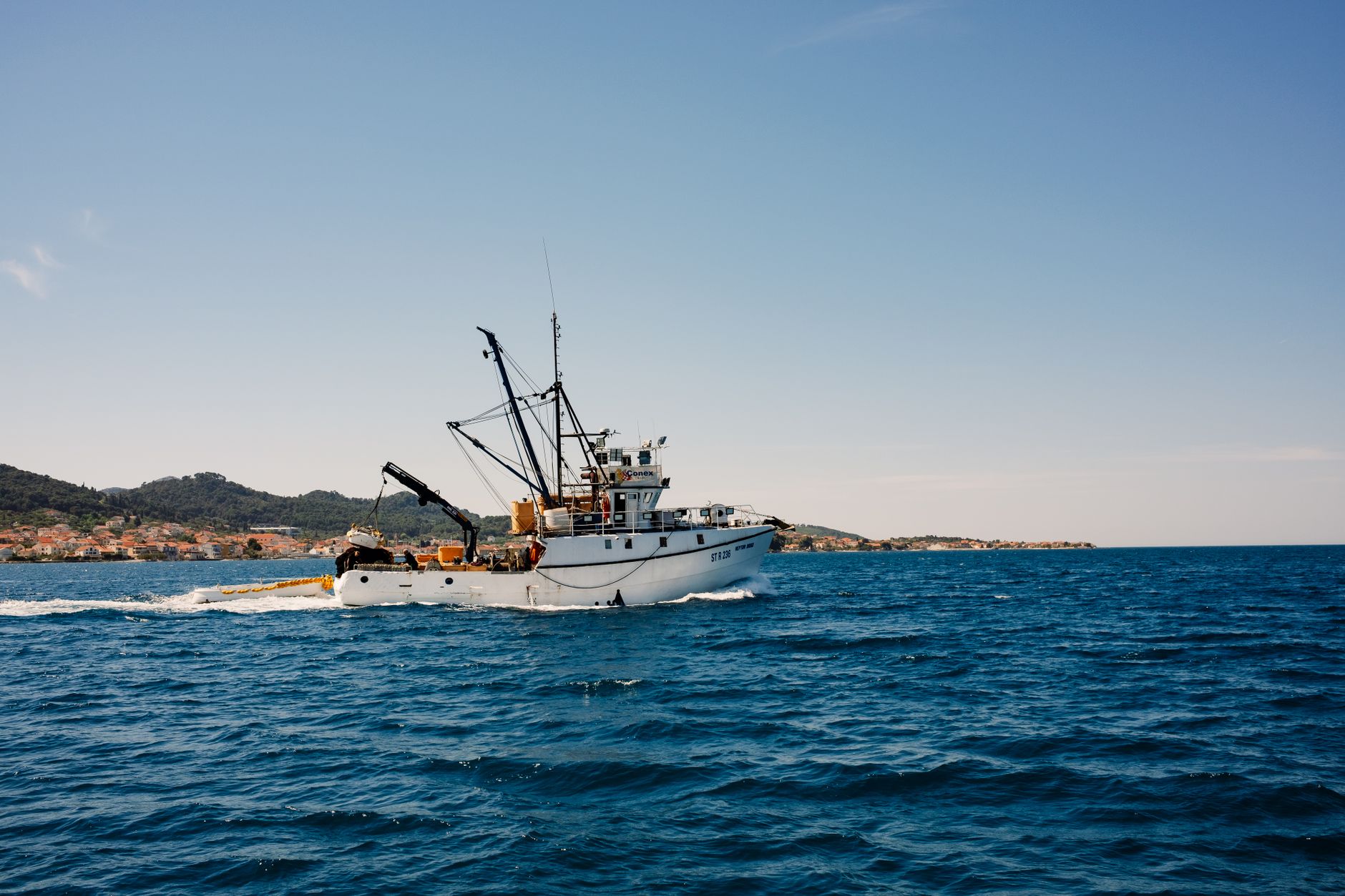
Natalie Matthews, writing for the programme, made a behavioural case rather than a financial one: a small payment tends to mean the kit actually gets used, not left in a locker. The course itself remains free to anyone, kit or no kit.
Barotrauma is the reason any of this exists. Snapper, grouper and amberjack live 50 to 400 feet down, and a fast trip to the surface expands the gases in the swim bladder faster than the fish can cope. The stomach can push out through the mouth, the eyes bulge, and the fish loses the ability to swim back down. Retired NOAA Fisheries biologist Dan Foster described the state in one of the programme's videos: "it's like trying to dive to the bottom of the pool while wearing a life jacket."
A floating fish is a fed shark. Research by Dr Marcus Drymon of Mississippi State University found that fish taken back to depth on a descender avoid predation more than 99 percent of the time, and studies from Dr Brendan Runde have consistently shown the devices cutting discard mortality -- the invisible losses that keep rebuilding stocks constrained. Gulf guide Captain Ed Walker, 35 years on the water, has said awareness aboard boats has moved sharply in the programme's favour.
The context nobody at the programme has to mention is regulatory. The DESCEND Act, effective January 2022, obliged every Gulf federal-waters reef boat to keep a descending device or venting tool rigged and ready -- and it carried a January 2026 sunset.
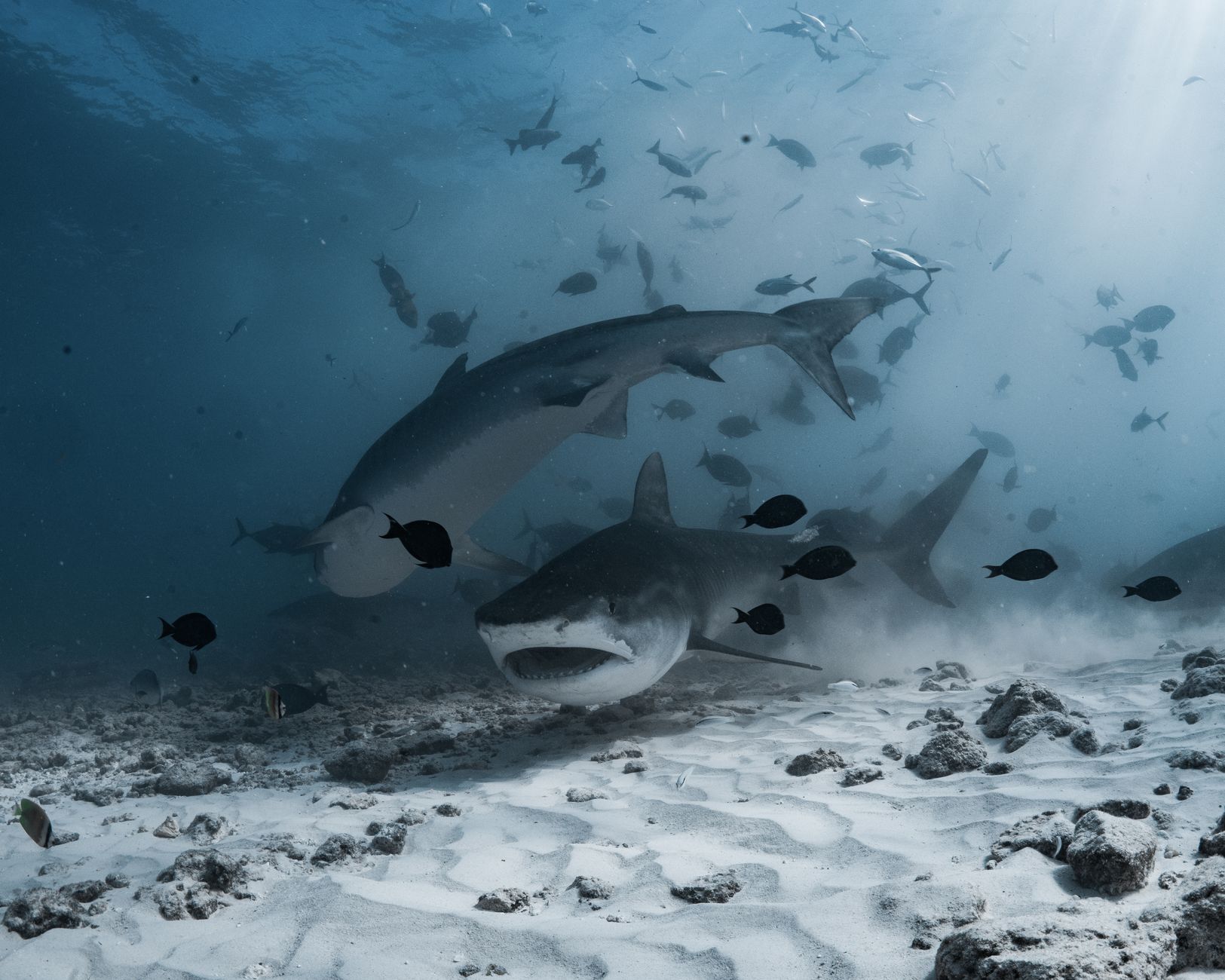
Analysis outlet Science of Fishing has argued the sunset matters less than it sounds, since Florida's own state-waters rule from April 2023 has no expiry, and since two years of data have already made the practice routine. On its reading, fish let go at the surface are around three times more likely to die than fish sent back down.
That leaves a genuinely open question. The mandate has lapsed, the gear now costs something, and the eligibility map has just grown. If uptake holds in North Carolina, South Carolina and Georgia, the programme's bet on shared investment was right. If it stalls, $12 will look less like a filter and more like a toll.
One finding takes some of the sting out of it. Research indicates a fish released at about one-third of the bottom depth survives roughly as well as one carried all the way down -- so a fish hooked in 150 feet needs only a 50-foot ride, which the standard rig delivers in under a minute.