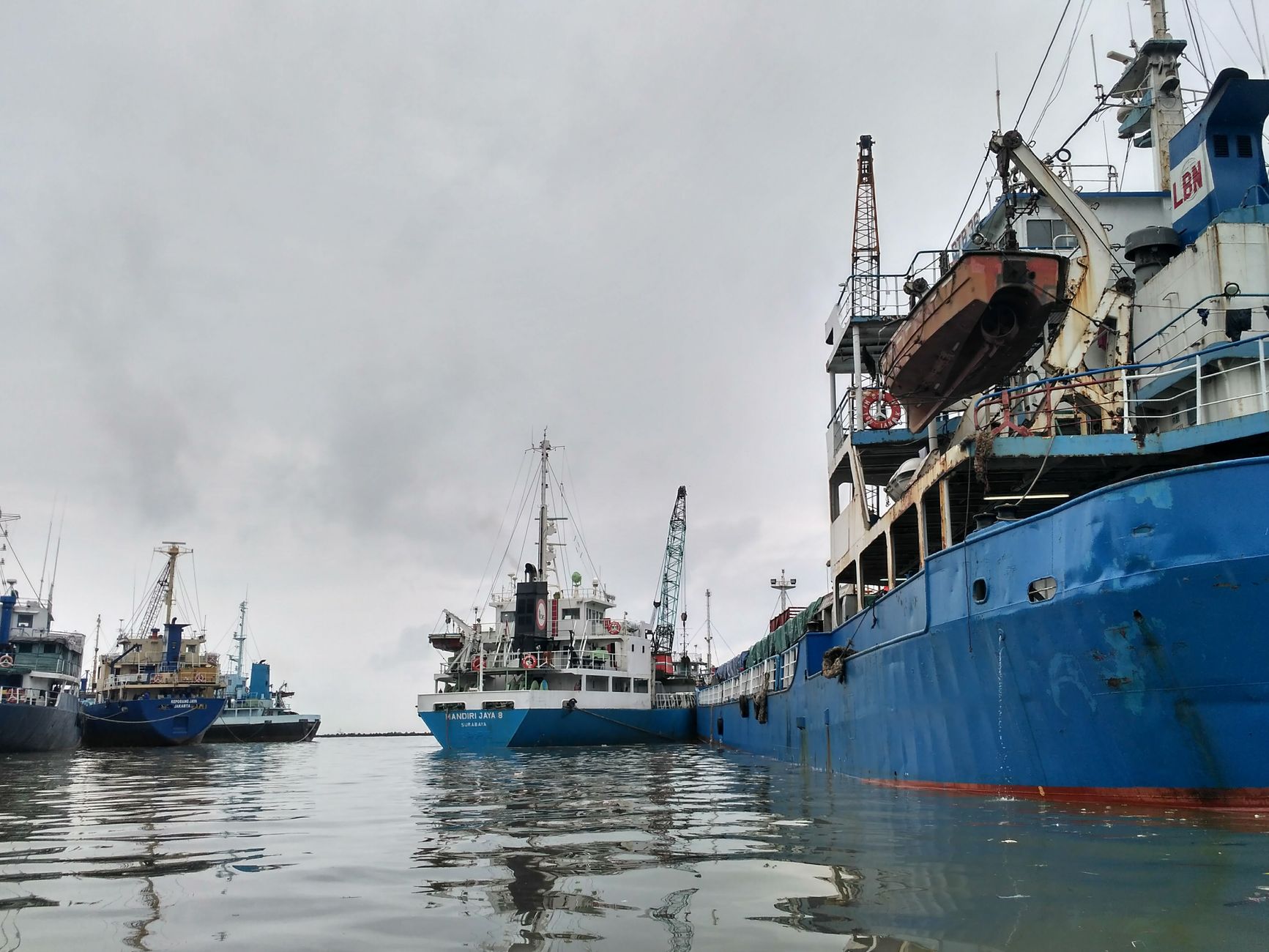
A new study puts a hard number on something the seafood trade has argued about for years: somewhere between eight and 15 per cent of the world's marine wild capture is caught illegally, feeding an illicit trade worth US$6.2 billion to US$12.2 billion annually.
The analysis, published in the Proceedings of the National Academy of Sciences on 10 August, comes from University of British Columbia professors Philippe Le Billon and Rashid Sumaila.
Their central claim is that illegal fishing is structural, not marginal. "Illegal fishing is not a fringe activity, but a systemic feature of the global seafood economy, enabled by weak governance, harmful subsidies, opaque corporate structures, and complex international supply chains," Le Billon said.
Better cameras have not fixed it. Satellite monitoring, vessel tracking and machine learning have transformed detection, yet the economics are unchanged.
"Illegal fishing remains profitable because the risks are low and the rewards are high," Le Billon said. "Even as detection improves, enforcement and accountability lag behind — particularly for large industrial fleets operating far from public scrutiny."
"The environmental and social costs are borne largely by developing coastal states, while the economic benefits flow elsewhere," Sumaila said.
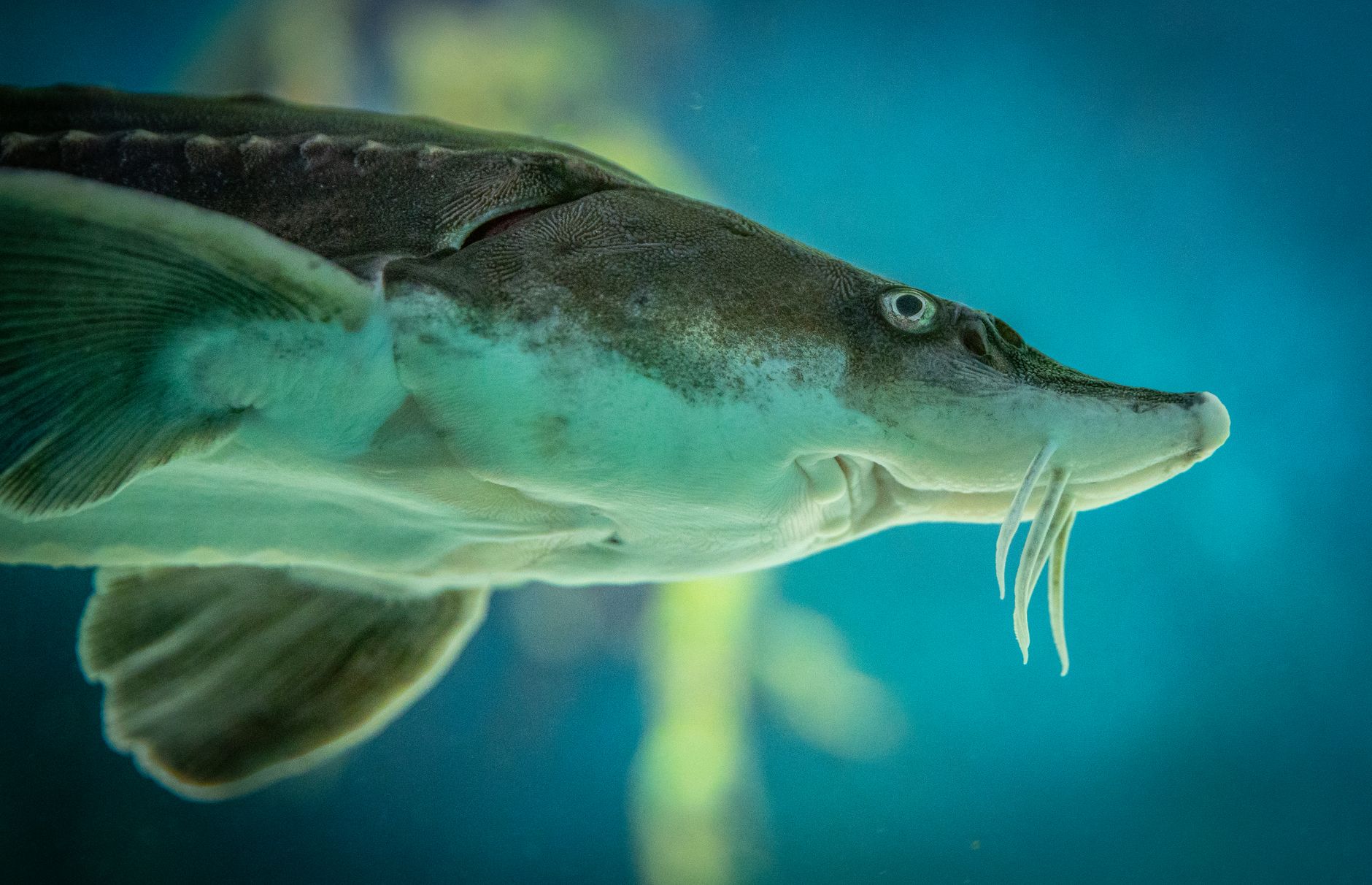
Ghana's fisheries minister Emelia Arthur described what that dependence looks like on the ground, telling the Associated Press in June: "In my country, our very existence depends on fish. Over 60 percent of our animal protein comes from fish, and 10 percent of our population depends on the fisheries value chain for livelihood."
The laundering methods the paper describes are mundane and effective — transshipment at sea, forged paperwork, mislabelled species, illegal catch blended into legal landings. Distant-water fleets sustained by fuel subsidies feature heavily, frequently under flags of convenience and behind ownership structures designed to be unreadable.
Sumaila's remedy targets the incentives rather than the offenders. "Reducing illegal fishing is not just about catching more offenders, it is about fixing the systems that make illegality profitable and legal fishing harder — especially for those who depend on the ocean the most," he said, listing subsidy reform, electronic vessel identification, port state controls and beneficial-ownership transparency.
There has been movement. The WTO ratified its first fisheries subsidies deal in 2025, a follow-up is stalled by opposition from India, Indonesia and the US, the High Seas Treaty took effect on 17 January 2026, and China has acceded to the Agreement on Port State Measures. China also declined to sign June's Mombasa Declaration on fisheries transparency.
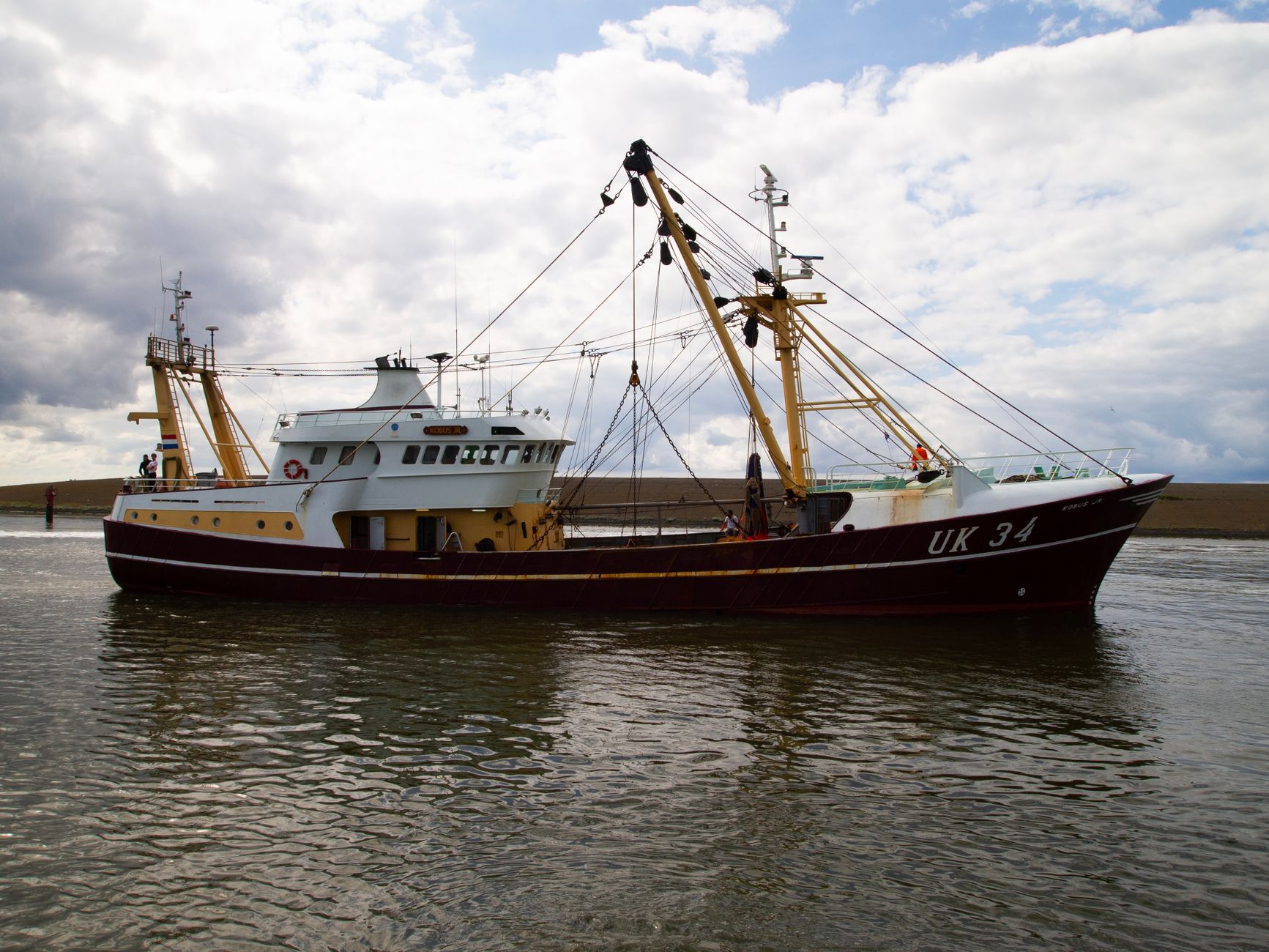
Global Fishing Watch chief executive Tony Long argues the transparency route works when governments commit to it. "For too long, illegal fishing has thrived in the dark," he told New Era Live. "When governments commit to transparency, they create an interconnected network where bad actors have nowhere left to hide."
French sea and fisheries minister Catherine Chabaud made a narrower point to AP, saying weak transparency around ownership, tracking and supply chains is precisely what lets illegal practices survive.
For Le Billon, the human toll is the part that gets least attention. Tens of thousands of crew, he said, "face a high risk of forced labour or unsafe working conditions globally, particularly on vessels operating far from oversight."