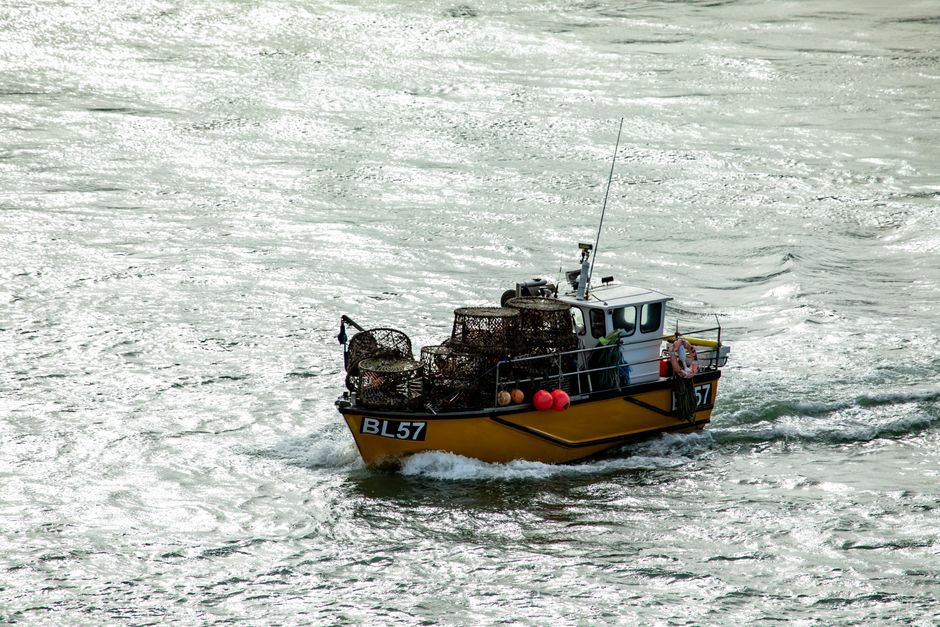
Cornwall's fishing regulators have moved to rein in the larger boats cashing in on an extraordinary octopus boom, approving an emergency byelaw aimed at protecting the region's prized crab and lobster grounds.
Meeting at County Hall in Truro on Friday 12 June, the Cornwall Inshore Fisheries and Conservation Authority (CIFCA) voted nine to five to bar bigger vessels from potting for octopus inside the district's six-nautical-mile limit. Multi-hull boats over 10 metres and mono-hull boats over 12 metres will be prohibited from using pots to target octopus, and affected operators must move their gear by 1 July. The measure still needs sign-off from DEFRA, will run for up to a year, and can be extended by a further six months.
The trigger is an exceptional bloom of common octopus, Octopus vulgaris, off the south-west coast. Octopus are voracious carnivores, and researchers from across Plymouth found catch rates for brown crab, lobster and scallops fell by 30 to 50 percent in 2025 as the population exploded. Only four major blooms have been documented in the past 125 years, and the current one appears at least as extensive as any on record. The scale of the opportunity is just as stark: Brixham Fish Market sold 103 tonnes of octopus on a single day, Tuesday 26 May.
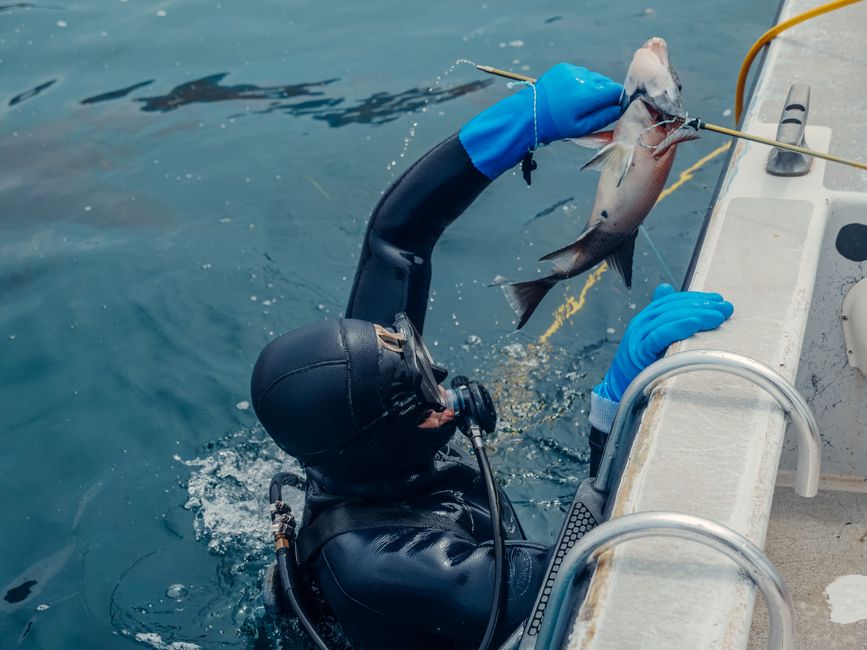
That gold rush has drawn larger boats into Cornish waters, and regulators say the surge in pots threatens the inshore shellfish stocks that smaller operators depend on. "We feel like we've got to act here, rather than just let it become total over-potting for the whole district," said Simon Cadman, CIFCA's principal enforcement officer. He stressed the rule pushes effort offshore rather than shutting it down. "The bigger boats have capacity to work outside the six. We have an inshore fishery concern for the crab and lobster stocks, but also for the inshore fishermen that can't go anywhere else with the small boats and need access to available stocks."
In its statement confirming the decision, the authority said members "decided that the potential risk to inshore crab and lobster stocks from increasing numbers of pots used to target octopus was too great and have therefore taken the decision to implement the emergency byelaw." It added the measure "is expected to reduce fishing pressure on inshore crab and lobster stocks and thereby assist hundreds of our fishermen to maintain viable fishing businesses."
Roughly three-quarters of the district's vessels are under 10 metres and will be unaffected. Andrew Pascoe, a fisherman from Newlyn, welcomed the outcome. "I think it's the right way to go, to take that precautionary approach," he said. "Without that immediate regulation being brought in, we could see an influx of thousands and thousands of pots, which would be detrimental to the shellfish stocks." He framed it as a question of fairness: "The offshore boats — the majority have said that they're happy, they've had a really good season offshore, they've done well [...] it's time for the inshore vessels to have their slice of the cake."
Not everyone at the meeting agreed; some fishers questioned the quality of the data and doubted the ban would have the desired effect. CIFCA's Sam Davis acknowledged the split. "The support and the input that we had on both sides of the argument from working fishermen and fishing businesses — it's so important to take those views into consideration," she said, noting that larger vessels "can work longer strings of pots and they can work throughout the year so they are able to be more flexible in terms of the weather conditions they can fish in."
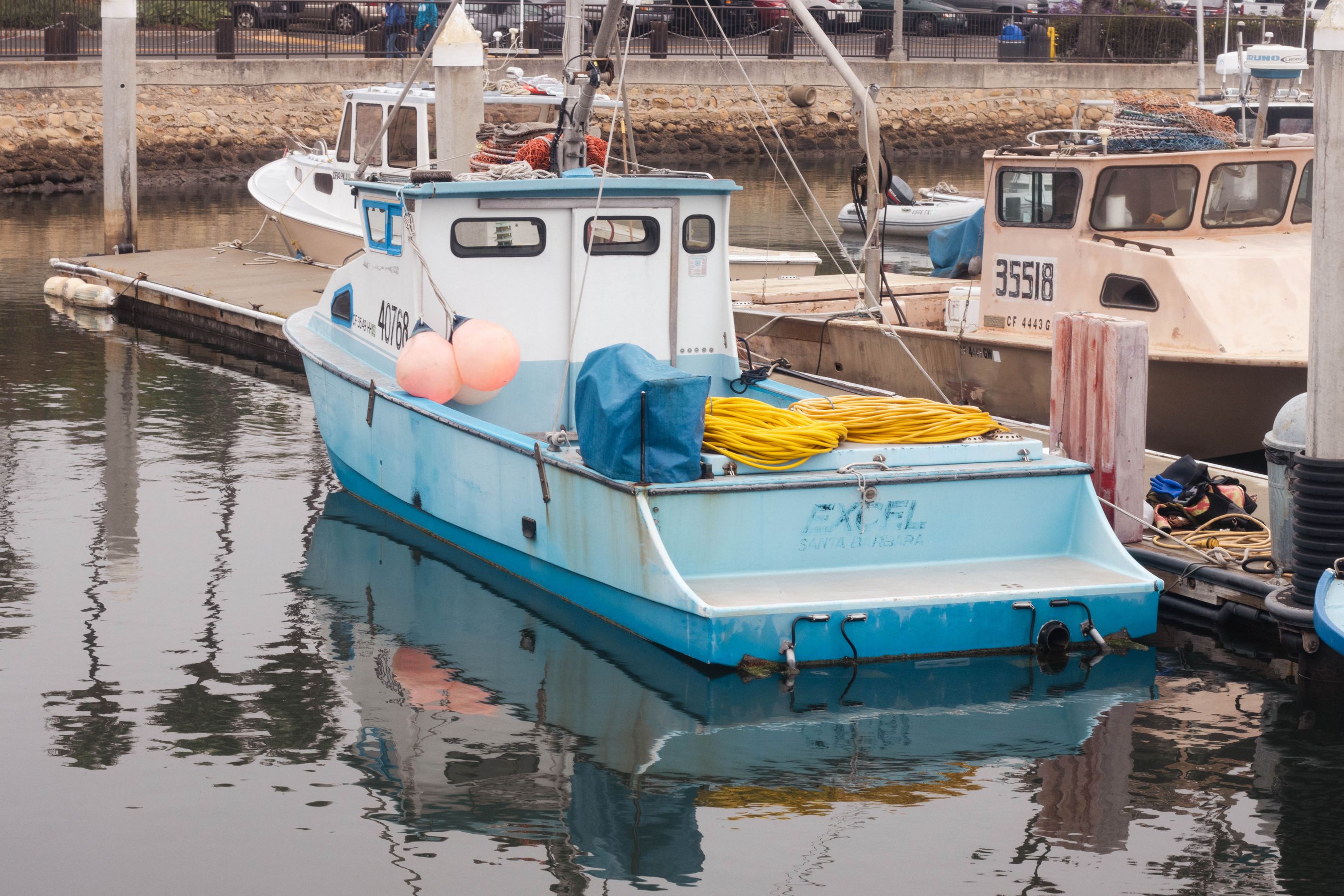
CIFCA has confirmed it will now weigh whether to make the restrictions permanent, with any new byelaw subject to public consultation.