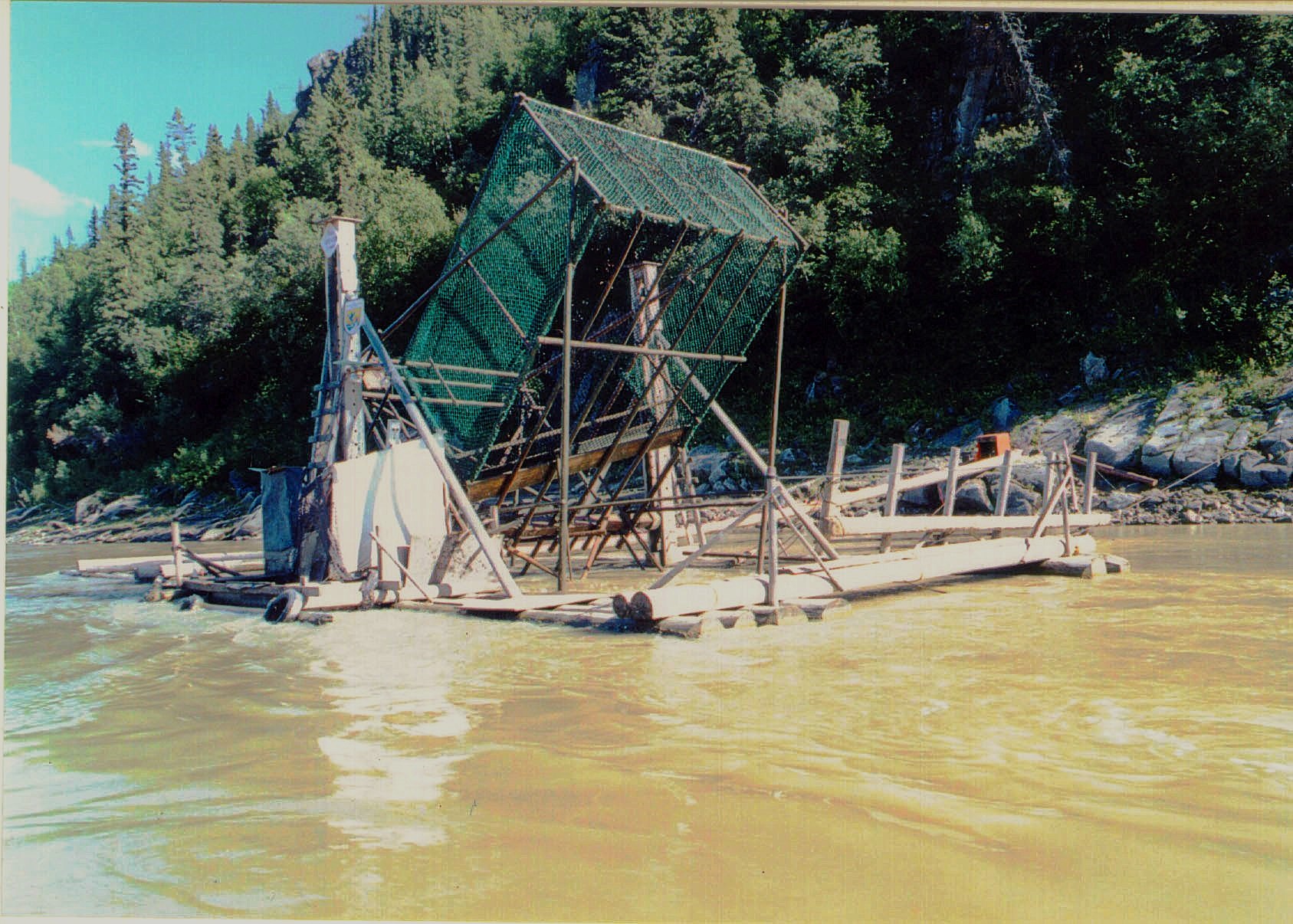
For the first time in five years, the smokehouses in Anvik are working.
The village sits on the middle Yukon, roughly 350 miles west of Anchorage. This summer its fishermen pulled dozens of chinook out of the river on a traditional fishwheel, along with a much larger number of chum and other salmon. There were enough fish to hang, to freeze, and to hand out to elders. There have not been for years.
"It's the first time I've seen the smokehouses smoking in five years," Robert Walker, former chief of the Anvik Tribal Council, told the Northern Journal. "I was just amazed. People are so happy."
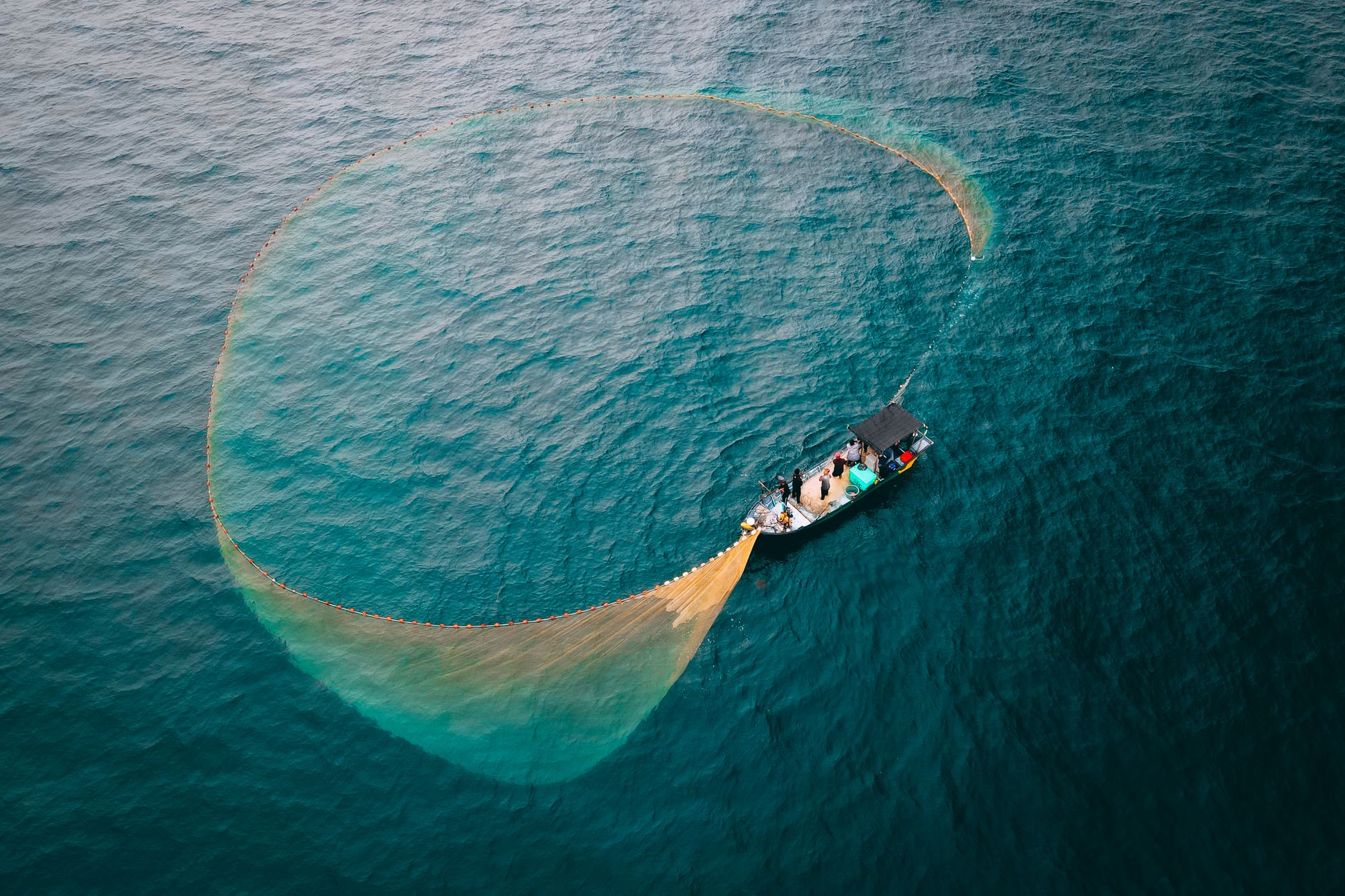
The complication is that none of those chinook should have been caught. In 2024 Alaska agreed with the Canadian government to a seven-year ban on chinook harvest along the Yukon, a river that runs more than 2,000 miles from northwest Canada to the Bering Sea. Walker announced the Anvik harvest himself, on a public teleconference with fishery managers and local leaders in July.
About 32,000 chinook have passed the sonar station at Eagle, near the Canadian border, so far this season. That is ahead of recent years. It is also well short of the 71,000 escapement goal Alaskan and Canadian managers set two years ago, and the final count is expected to land substantially below it.
"While it is a little bit more encouraging, the runs are still well below average," said Deena Jallen, a Yukon area fisheries biologist for the Alaska Department of Fish and Game. "We're still not meeting any goals in Alaska and Canada."
That gap is the whole argument. To Walker, a river with fish in it and empty smokehouses on its banks is a policy failure, and he has been blunt about how the ban was imposed. In a phone interview he described the state's implementation of the moratorium without input from tribal leaders as a form of "dictatorship."
Alaska's fish and game commissioner, Doug Vincent-Lang, does not accept the characterisation. He said the state could not have reached a timely agreement with Canada had it formally consulted every tribe along the river, but pushed back on the idea that local leaders were shut out.
"We talked to a lot of people downriver," Vincent-Lang said. "I think it's working." He noted the ban carries exceptions, including fishing on tributaries where local spawning goals are met.
The sharpest voice in the middle belongs to Serena Alstrom, longtime executive director of the Yukon River Drainage Fisheries Association, whose board is drawn from communities along the river. She has made the same sacrifice she is asking others to make.
"I understand the importance of passing on our way of life, our traditional knowledge and our culture to our children and grandchildren," Alstrom said. "Because of that, I have made the difficult decision not to fish when regulations require it. I don't do it because it is easy or because I always agree with management. I do it because I believe those sacrifices give our salmon the best chance to recover for future generations."
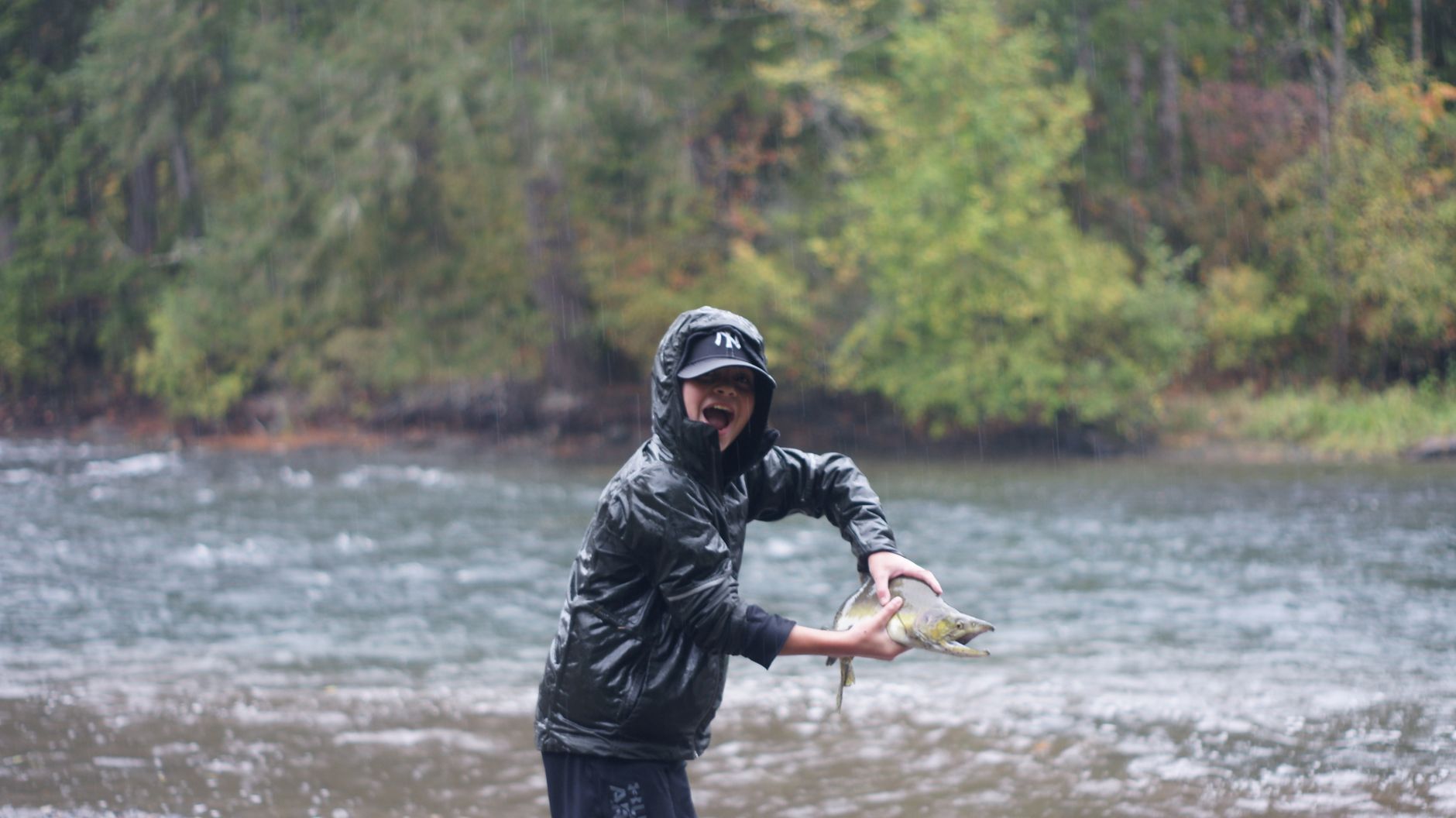
Alstrom says she has heard of more illegal fishing this summer than usual, and not only at Anvik. "It's upsetting," she said. In a later statement she credited this year's improved numbers to the "diligence of those who have chosen to allow these salmon to continue their journey to the spawning grounds."
A NOAA Fisheries study published in July offers a reason to be cautious about reading too much into one good summer. Researchers at the Alaska Fisheries Science Center built a full life-cycle model of the run and found the recent collapse was not driven mainly by weak juvenile production.
"Not surprisingly, we found evidence to suggest that impacts operating in the early life stages have likely contributed to declines in run sizes over the past two decades, which is consistent with previous research," said lead author Dr Lukas DeFilippo.
What stood out was something later in the fish's life. From 2016, natural mortality after the juvenile stage rose sharply, tracking a run of severe marine heatwaves in the Bering Sea that gutted prey species such as capelin. The steepest drop in adult returns followed shortly after. As of 2023, those mortality rates had not returned to pre-heatwave levels, even though the worst of the heatwaves had passed.
The same study found no evidence that adult harvest or pollock-fishery bycatch were significant drivers of the population-level decline, a finding that cuts awkwardly against the politics on both sides.
Co-author Dr Kathrine Howard framed the model as infrastructure rather than a verdict. "A model like this is a big step towards promoting research on the factors affecting salmon productivity across their life cycles," she said.
Five more years of the ban remain. Anvik's smokehouses are running now, and the question managers cannot yet answer is whether the ocean, not the regulation, is what decides how long that lasts.