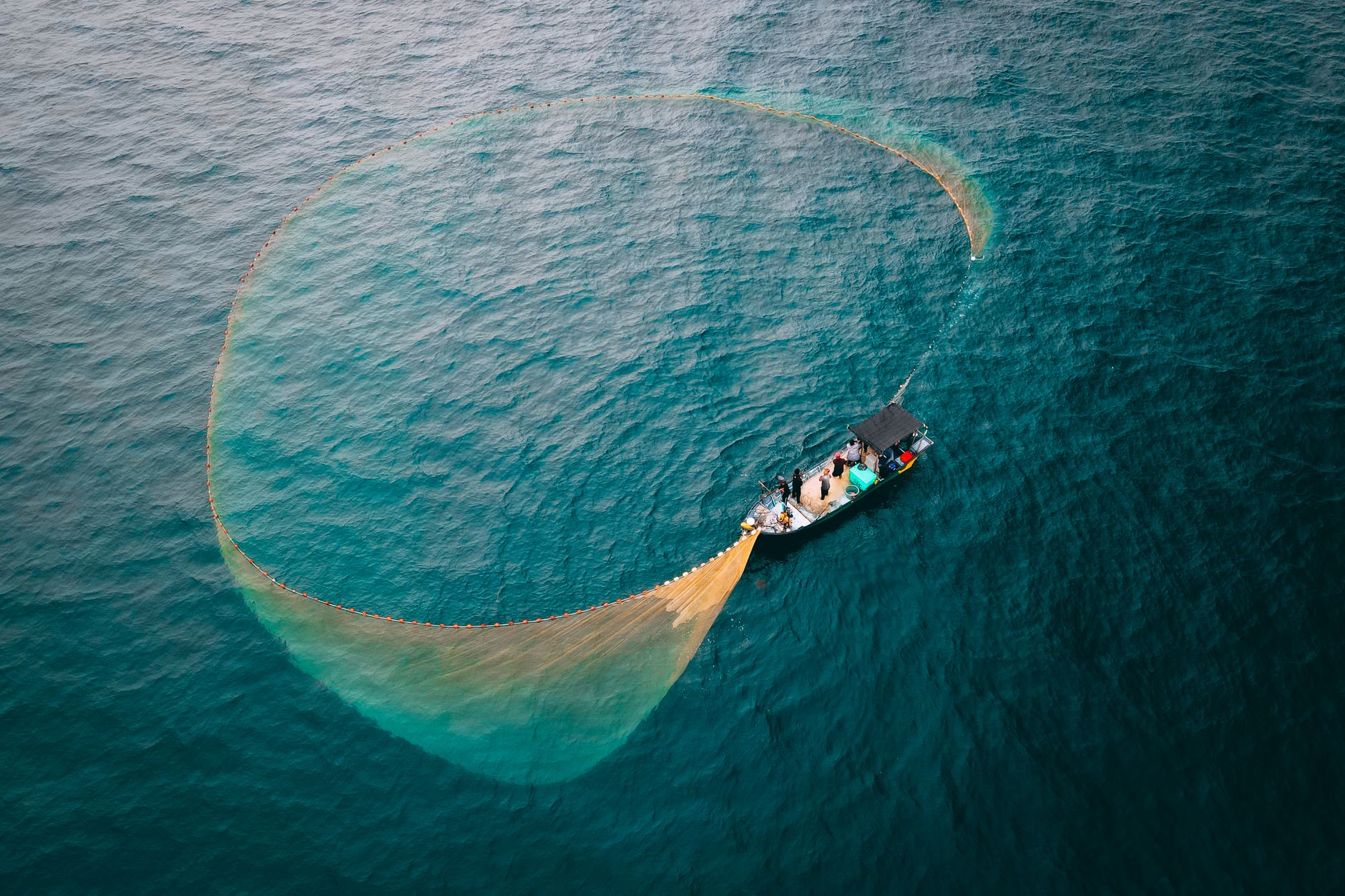
Bristol Bay's 2026 sockeye season has closed out as a moderate one by the standards of an extraordinary decade, and the first look at 2027 suggests more fish arriving in smaller packages.
A preliminary advisory from the University of Washington's Alaska Salmon Program projects roughly 44.2 million sockeye returning to Bristol Bay in 2027, a figure above the university's 2026 preseason projection. Alaska Beacon, reporting on the same advisory, characterised the outlook as more fish but smaller ones, a pattern that has dogged the fishery's economics for years because processors pay by the pound.
The 2026 run itself came in just above the Alaska Department of Fish and Game's preseason forecast of 44 million inshore fish, about 7 million above the average dating to 1963 but well below what the bay has produced since 2015.
The defining feature was timing. Curry Cunningham, an associate professor at the University of Alaska Fairbanks and part of the team behind the bay's preseason and in-season forecasts, said the run arrived roughly three days ahead of the long-term average, with a midpoint around July 3 or 4.
"If we look at the large run size years in Bristol Bay, we've seen generally since about 2015 they've been predominantly on time," Cunningham told KDLG. "In 2025 and this year in 2026, we've seen earlier run timing to Bristol Bay. So a bit of a shift back towards run timings we hadn't seen in quite a while."
"In Bristol Bay, where the vast majority of the run comes through and arrives inshore over the course of two or three weeks, it actually makes a huge difference," Cunningham said. Late-spring sea ice extent is one of the variables that correlates most strongly with timing, and more ice in May tends to mean an earlier return.
The season split sharply across districts. On the east side, Fish and Game management biologist Stacy Vega had the numbers everyone wanted.
"Egegik has come in about 2 million over forecasts, which is wonderful, and Ugashik is about a million and a half over at this point," Vega said. "Catch forecasts have been exceeded, as well as escapement."
Ugashik's timing was the outlier. "Ugashik specifically was extremely early," Vega said. "It was [a] pretty vast departure from normal run timing, about a week early from average, which kind of complicates management."
The Nushagak told a different story. Area management biologist Tim Sands was managing around Nushagak king salmon, a stock of concern since 2022, and the commercial opening was delayed to June 27 to push more kings upriver.
"We're [at] about 35,000 king salmon counted at the sonar," Sands said. "Still well below the 55,000 minimum that we want."
The sockeye run there finished around 15 million against a 19 million forecast, with harvest near 9 million against an expected 14 million.
"We did what we could to try and provide balance between protecting kings and still not just shutting down the fishery completely," Sands said.
"The Naknek came in below what we forecasted, and it's actually probably the smallest run since 1998," Elison said. "But the Kvichak came in above expectations and seemed to make up that difference for the total run size."
Naknek-Kvichak catch landed at roughly half the district's 12-year average. Elison traced the weakness to record escapements between 2019 and 2021, when too many spawners crowded the rearing lakes.
"I think we'll be starting to get away from that, and hopefully seeing some bigger runs for the Naknek here in the near future," he said.