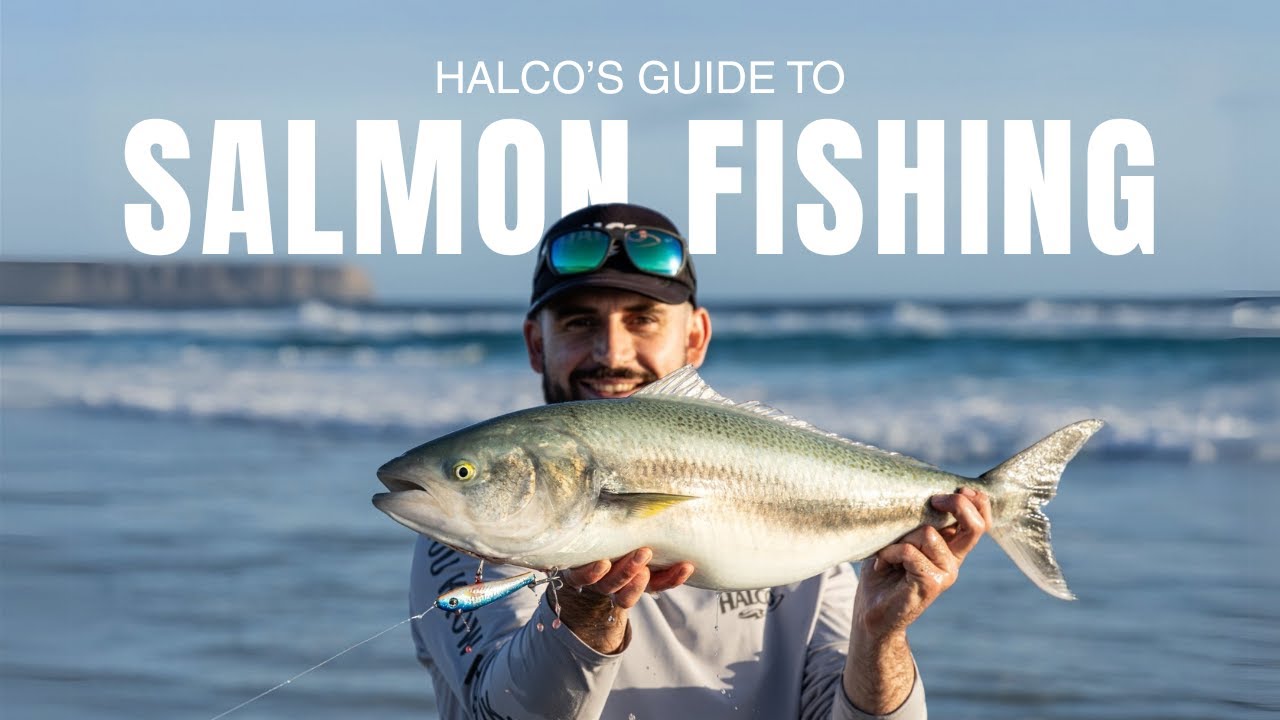
When Western Australia's south coast salmon run fires up, some of the country's most exciting land-based fishing is suddenly available to anyone with a beach rod and a bag of lures. In a how-to filmed during the run, a Halco Tackle presenter explains how to find, target and land these hard-charging fish.
The appeal, he says, is that they are everywhere and they pull hard. "Salmon have got to be one of the most accessible sports fish in our country," he said. "You get them on the east coast, west coast, south coast. They are everywhere and they are great fun to catch." On the south coast the fish are on the move, running from the south toward the west coast on their spawning migration, leaping and tail-walking when hooked.
Finding them starts with reading the sand. His top structure is a gutter. "All a gutter is, essentially, is a deep piece of water running along the beach," he explained. "Typically a wave breaks and reforms, and that's what fish use as a highway." Reefy outcrops and swell-sheltered pockets also hold fish and funnel baitfish to them. Polarised sunglasses, he insists, are non-negotiable for telling salmon apart from reef and sand.
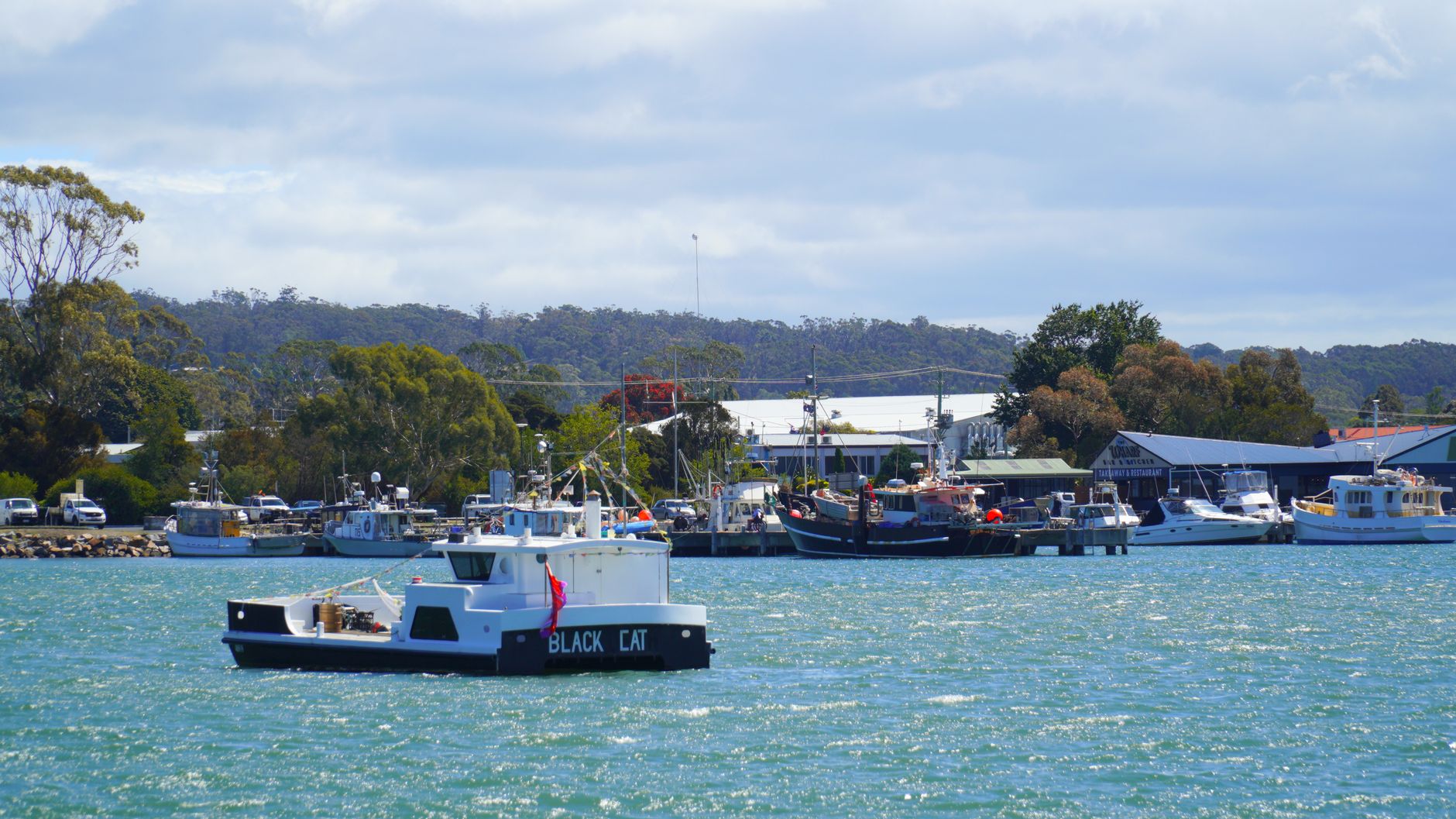
The tackle is deliberately simple: a 10-foot rod (nine to eleven feet is fine) around 20 to 30 pounds, a 4000 to 6000 reel and 20 to 30-pound line. Anglers who would rather soak a bait in a gutter can step up to standard beach gear.
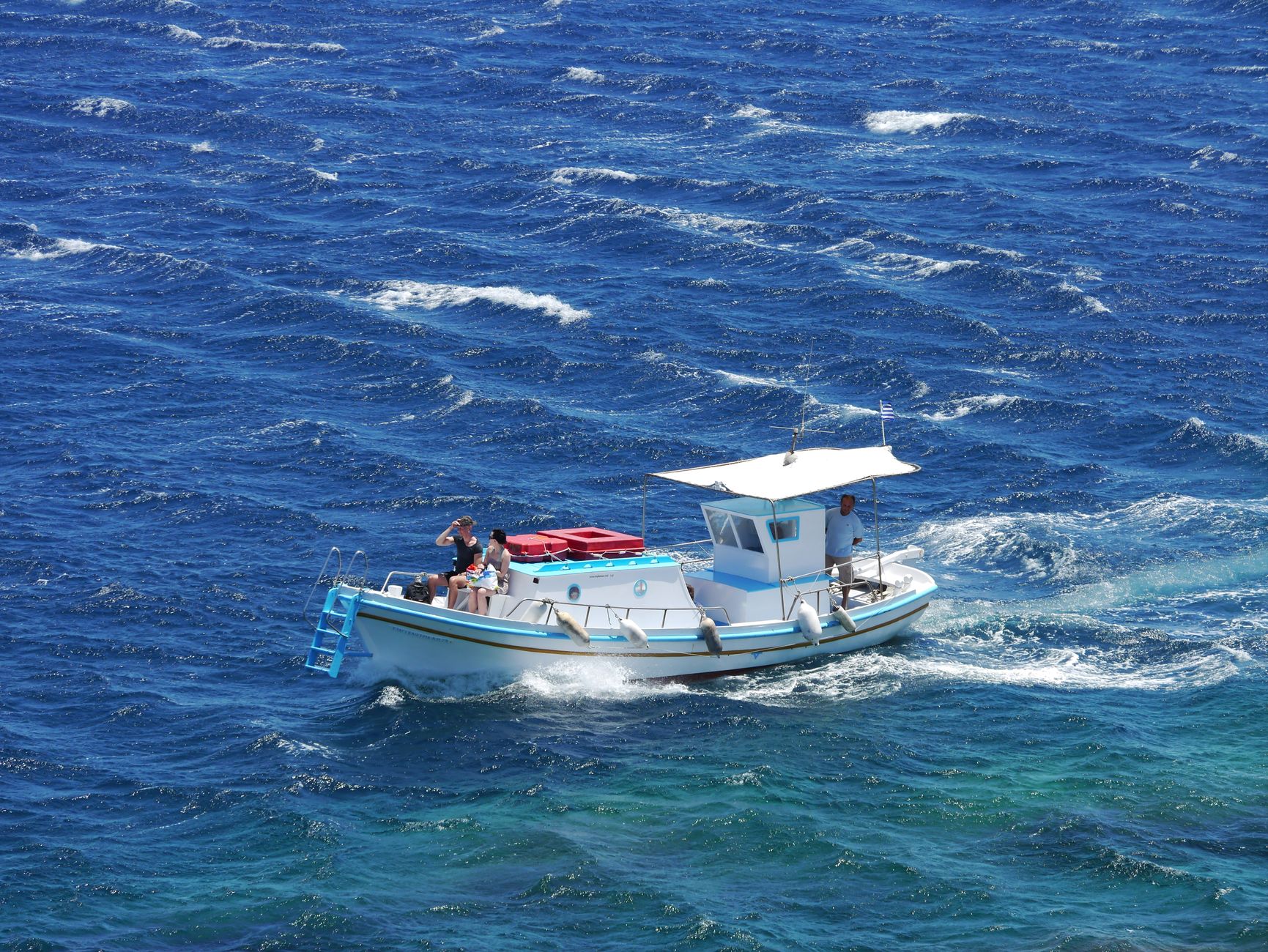
On lures, he covered the full range. Metals such as the Outcast in sardine and the Halco Twisty cast a long way and imitate fleeing baitfish; stickbaits like the Halco Slidog 105 Heavy carry more presence; surface poppers give the most visual strikes; and from a boat, trolled divers like the Halco Laser Pro 120, 160 or 190 both locate and catch fish.
Presentation, though, is the difference-maker. The key is the lead cast — dropping the lure ahead of a moving school, not on top of it. "You look at your fish, see which way they're moving, and we want to put that lure in front of the school of salmon," he said. Surface-feeding schools will smash almost anything; deeper or distant fish need a heavier lure worked slower with twitches on the drop. "Just gauge the mood of the fish," he advised. "Once you've had one or two casts, you'll see pretty quickly what you're dealing with."
Landing one is the easy part. He uses the classic pump-and-wind: lift the rod to about 45 degrees, wind down and keep light, steady tension. "When that fish wants to run, just let it run. That's part of the fun," he said. "It'll be at your feet before you know it."
With huge numbers of fish moving through the gutters, modest gear and a basic understanding of where salmon sit and how to present a lure, the WA salmon season remains one of the friendliest ways into sportfishing in Australia.