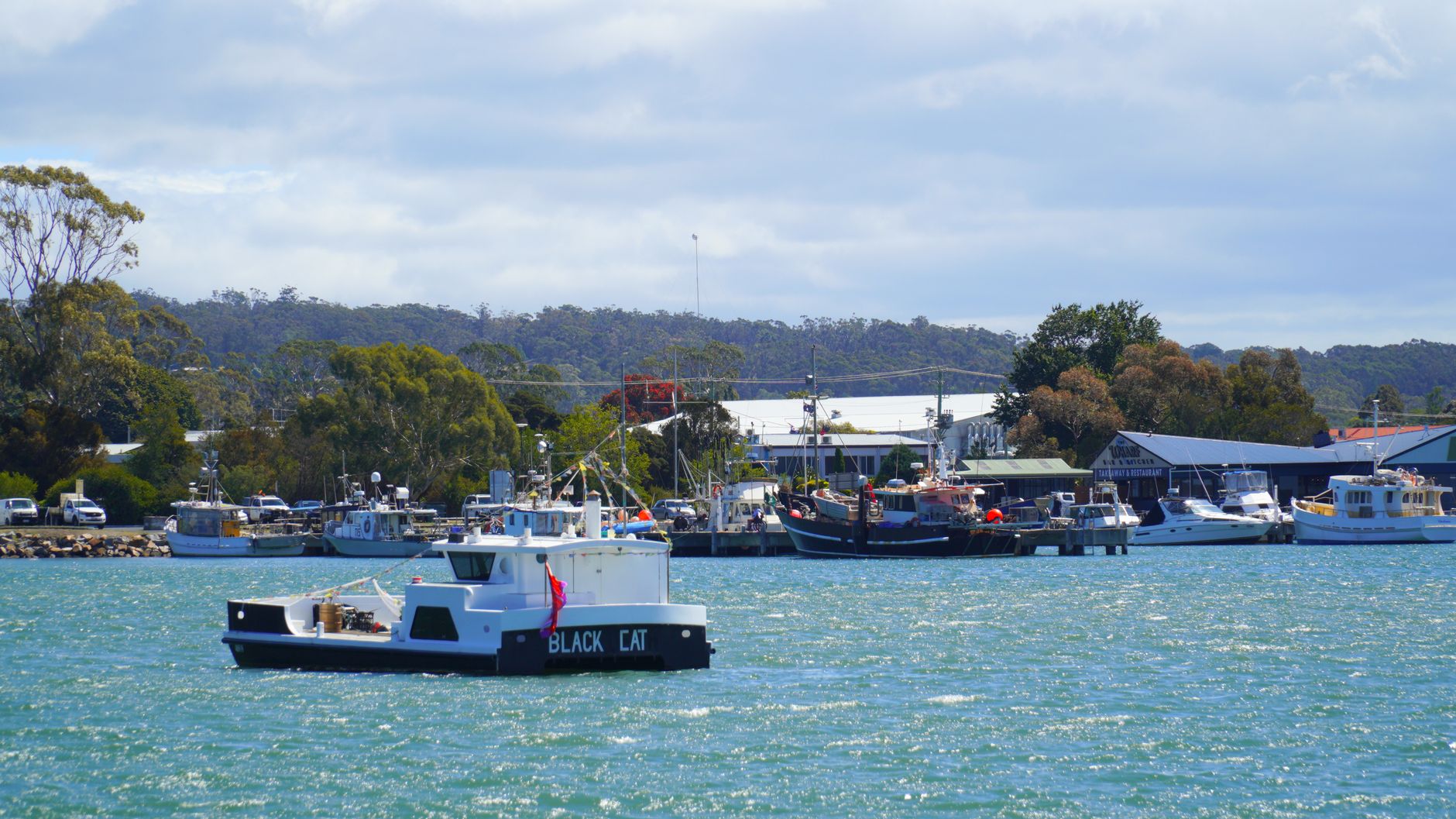
Anglers making the long trip to Western Australia's Kimberley coast will find a redrawn map from this weekend, after a new marine park closed roughly a quarter of its waters to fishing.
The Bardi Jawi Gaarra Marine Park spans 204,000 hectares around the northern Dampier Peninsula and the western Buccaneer Archipelago, and took effect on 19 July under joint management by the Bardi and Jawi Traditional Owners and the WA Department of Biodiversity, Conservation and Attractions (DBCA).
The new rules carve the park into zones. Sanctuary areas — a quarter of the total — are now completely off-limits to fishing and collecting. Another 26 per cent is reserved for cultural protection, where recreational anglers may only fish on a licensed tour. Just under half the park (47 per cent) remains general use, open to recreational and commercial fishing, and a small 2 per cent biocultural zone allows recreational plus limited commercial fishing. Traditional Owners keep customary fishing rights across the whole park.
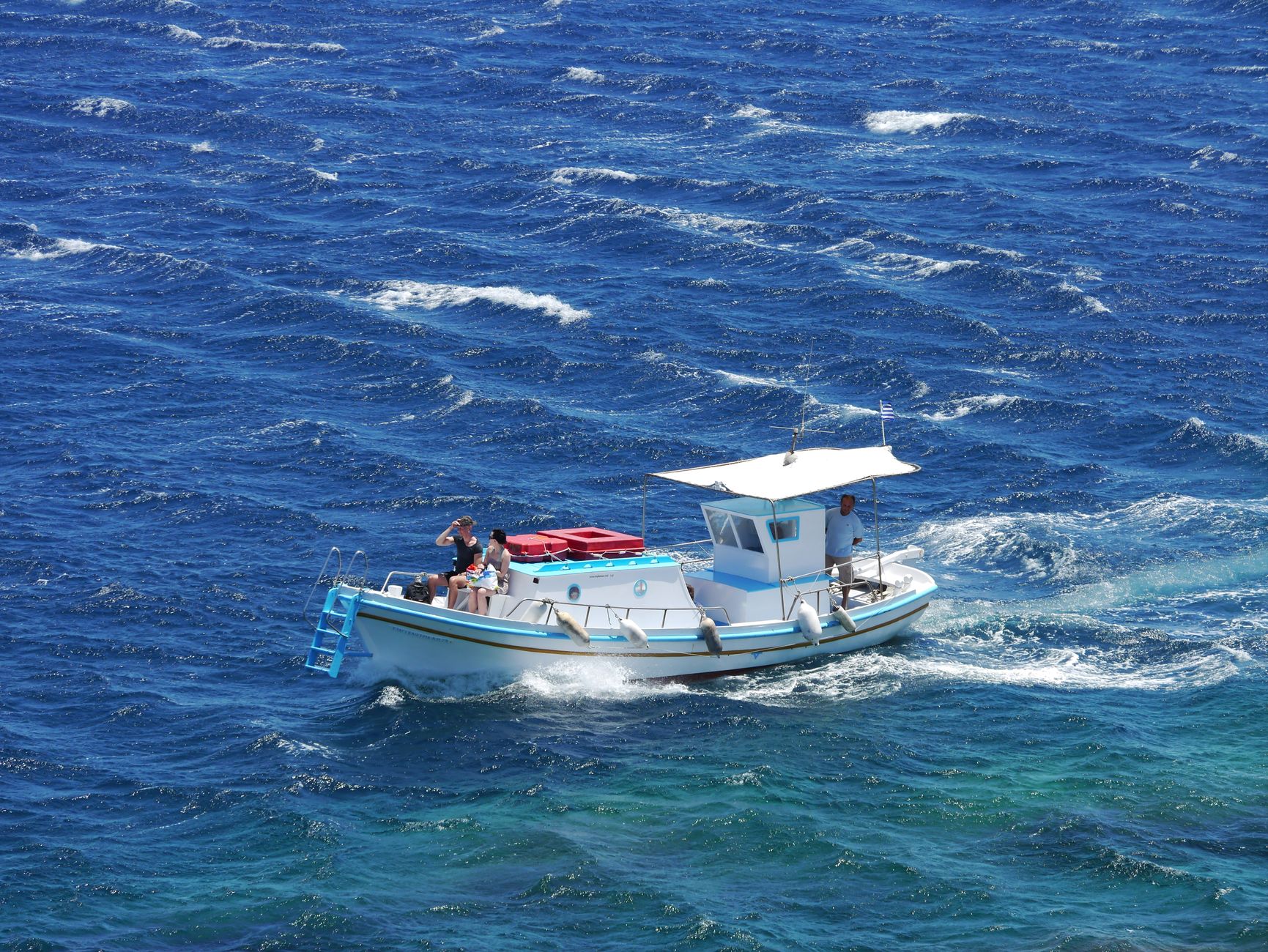
DBCA has cast the arrangement as a balance rather than a ban. "The zones strike the right balance between protecting wildlife and cultural values while supporting recreation, tourism and commercial use," said Kevin Bancroft, the department's Buccaneer Archipelago Marine Parks Coordinator, adding that closed waters remain open for other pursuits: "In areas where recreational fishing is not permitted, visitors can enjoy low impact activities like boating, photography, wildlife viewing and enjoying the natural beauty."
Fisheries officials are urging anglers to study the boundaries before casting. "I encourage anyone heading out on the water to familiarise themselves with zone maps and make sure they are only fishing within the permitted area so they don't risk fines or prosecution," said Matt Gogoll, a Senior Operations Manager at the Department of Primary Industries and Regional Development (DPIRD).
Getting it wrong is costly. A $400 penalty applies for fishing in a prohibited zone, and serious breaches go further. "More serious matters referred to court can attract a fine of up to $5,000, as well as an additional penalty of up to 10 times the value of any fish involved," a DPIRD spokesperson said.
Not everyone is happy. For recreational fishers who travel north chasing barramundi and trophy species, losing access to proven ground stings, and the new restrictions were described in ABC coverage as a "slap in the face."
Yet the long-term science offers some consolation. Work by the University of Western Australia's Oceans Institute suggests that no-take zones, combined with normal management elsewhere, can raise the total stock of spawning fish — and that the benefit leaks across the line to the anglers outside it. "The addition of no-take zones resulted in recreational fishing catch rates doubling in open areas near where the fishers accessed the ocean, for example, within 10 kilometres of a boat ramp," reported the UWA team of Associate Professor Tim Langlois, Dr Charlotte Aston and Dr Matt Navarro. Big fish are the engine of that recovery: "One big, older female can produce as many eggs as a dozen or more smaller adults."
For Kimberley regulars, the trade-off will take years to prove. The immediate lesson is blunt: check your zone, or wear the fine.