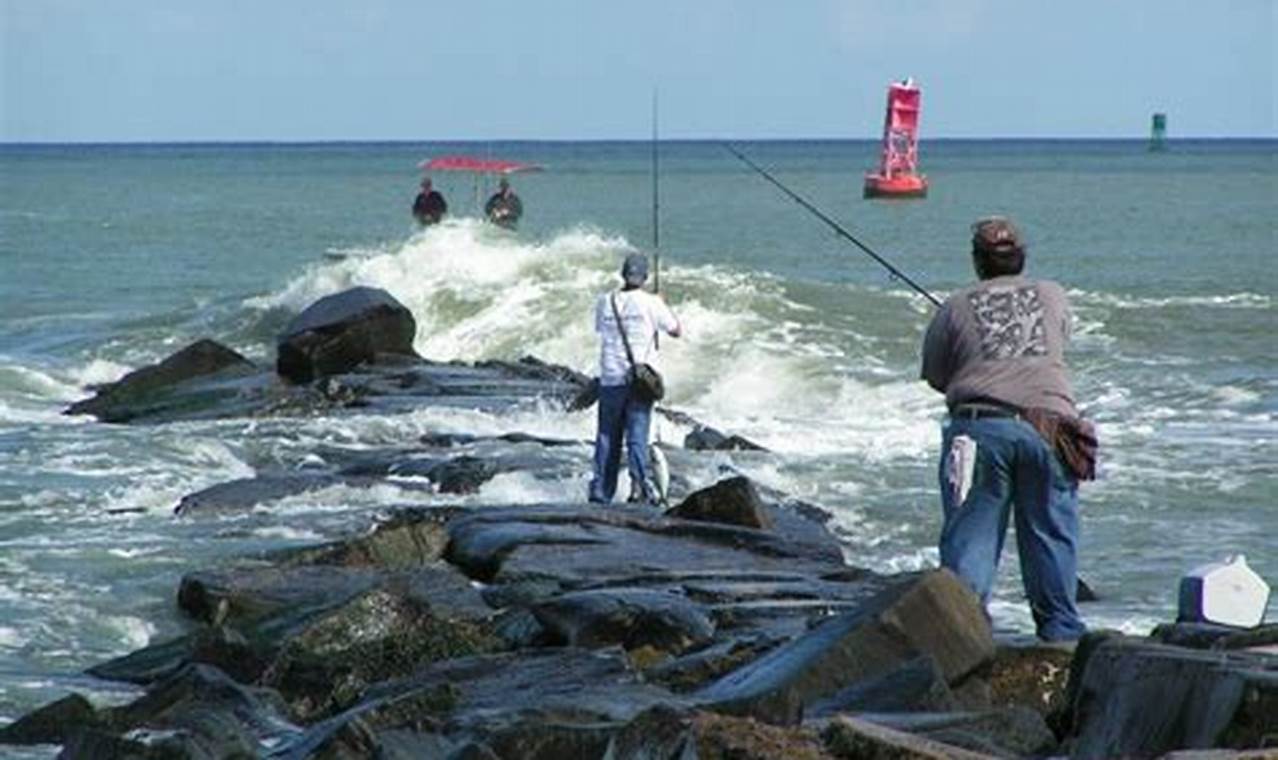
The Indian River Inlet in Delaware offers an exciting angling experience for both novice and seasoned fishermen. As this waterway flows into the Atlantic Ocean, it creates a unique estuarine environment, rich in biodiversity, attracting various game fish throughout the year. The success of fishing here hinges on understanding tidal movements, seasonal migrations, and the behavior of different species.
"The Indian River Inlet combines both freshwater and saltwater habitats, making it a prime location for various species to thrive," said a local fishing guide. With strong currents and a diverse structure, anglers can explore numerous fishing methods and locations. The area’s historical significance as a fishing resource cannot be understated, as both commercial and recreational fishing have flourished, bolstering local tourism through tackle shops and boat rentals.
Navigating the fishing opportunities at the Indian River Inlet requires careful consideration of multiple factors. By being aware of tidal dynamics, anglers can enhance their effectiveness on the water.
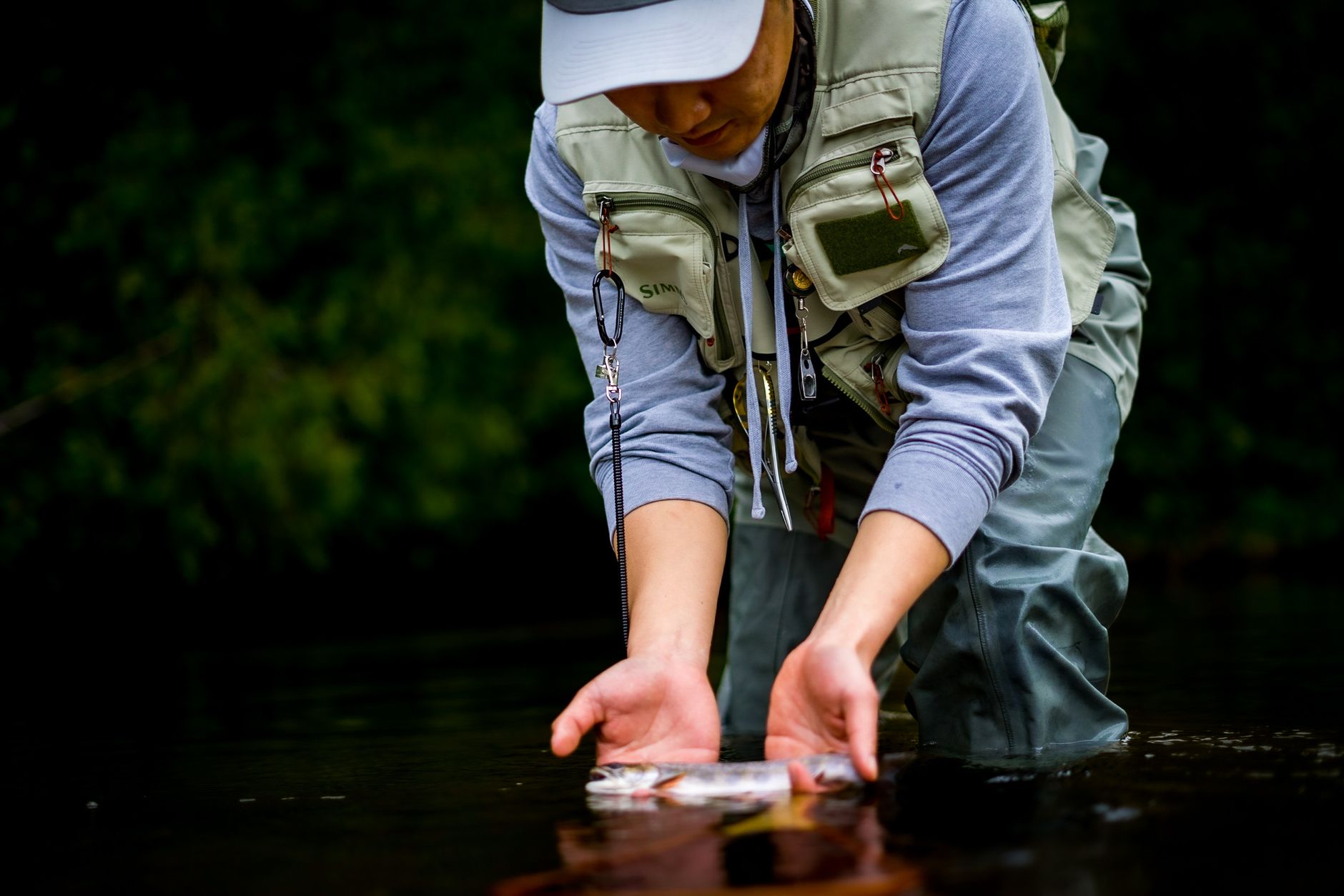
"Always keep an eye on the tidal charts. The incoming tide often brings in baitfish, which in turn attracts predatory species," remarked a frequent visitor to the inlet, emphasizing the importance of timing in fishing.
Fishing strategy here should also focus on structural hotspots. Key locations such as bridge pilings, rock jetties, and submerged structures create ideal habitats for fish, offering essential cover. Anglers are advised to utilize sonar tools for identifying underwater formations that may enhance fishing success.
"Fishing around structure can make a big difference. The fish will always seek refuge in these areas," shared a local fisherman. Understanding seasonal changes further aids in selecting the right species to target. For example, striped bass tend to migrate during the spring and fall, while targeting flounder is more favorable in the warmer summer months. In the winter, sea bass become more abundant in the area.
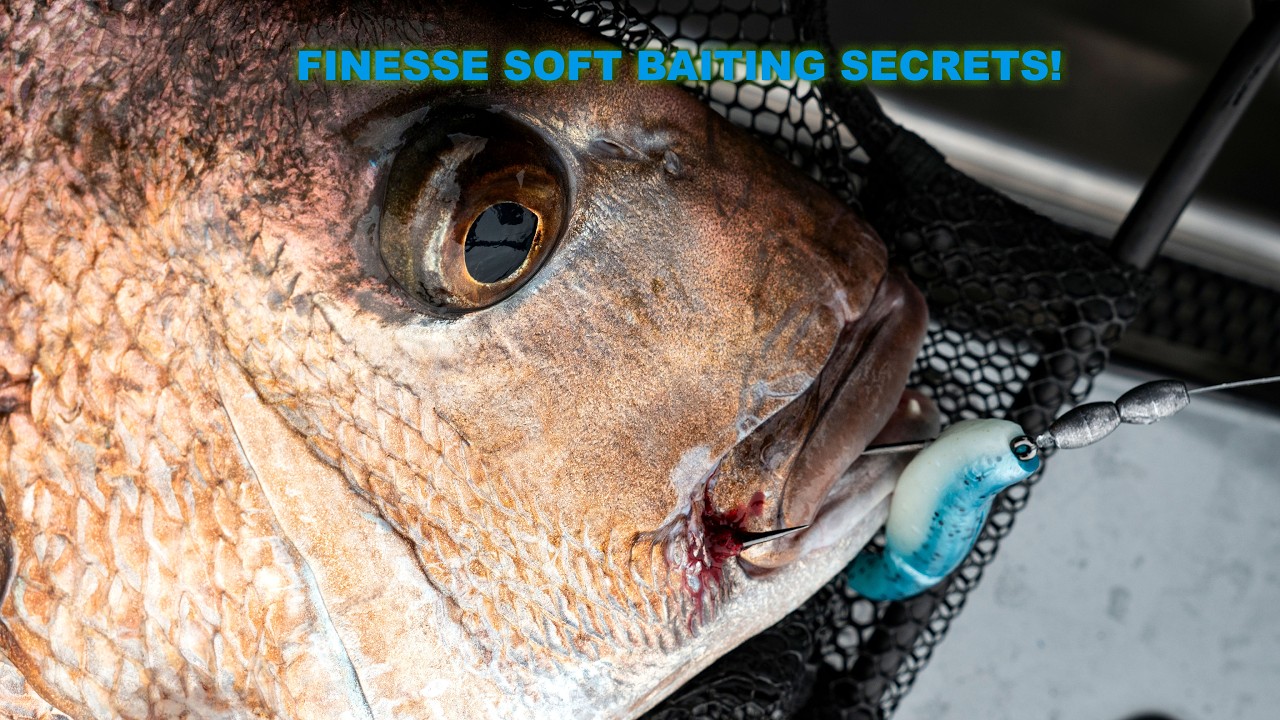
"You need to adjust your bait selection to match the species you’re targeting," said a fishing expert. Live eels, for instance, are known to attract striped bass, while minnows or squid are excellent for flounder fishing. Clams or crabs can also effectively lure tautog, making the right bait selection crucial for success.

When fishing in robust currents, managing how your bait is presented is vital. Anglers should implement techniques like using heavier weights or specific rigs designed for drift fishing to maintain proper bait presentation.
"Making sure your gear is up to par is important, especially in saltwater regions. Rinse your equipment with fresh water after every trip to prevent corrosion," advised an experienced angler. Maintaining your fishing gear will notably extend its life and efficiency.
Safety is paramount in fishing, particularly in dynamic environments like the Indian River Inlet. "Always wear a personal flotation device and stay alert to changing weather conditions," one fishing guide warned, stressing the importance of caution near boats and powerful currents.
By adhering to these guidelines, fishermen can maximize their chances of success while promoting safety and sustainable practices. Anglers are encouraged to engage in ethical fishing techniques and conservation efforts that aim to protect the natural resources, ensuring enjoyable fishing experiences for future generations.
As seasons change, fish behaviors will follow suit, and understanding these shifts is key to a fruitful outing at the Indian River Inlet. Whether you’re a local or just visiting, the estuary ensures an engaging fishing experience rife with potential catch.