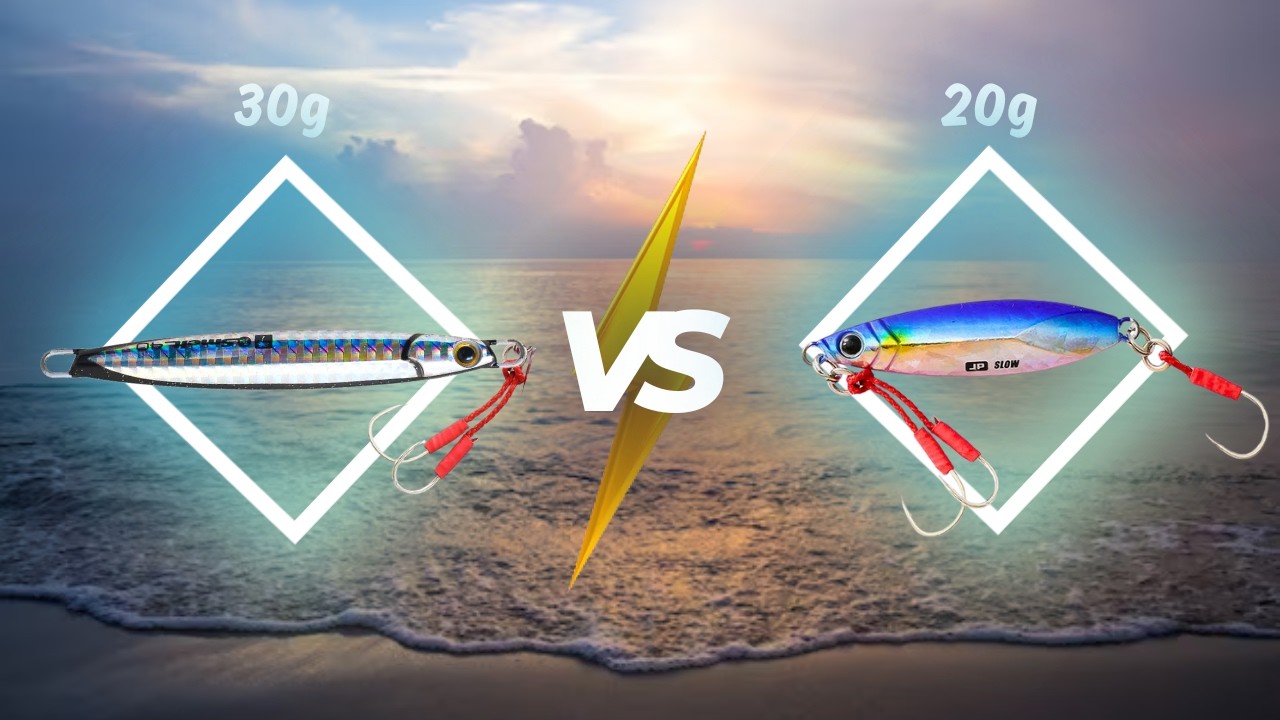
Does a cheaper metal jig really cost you fish in the surf? On the first day of winter, Australian beach angler Ozzy Mate ran a simple head-to-head on a local surf beach to find out, fishing two affordable jigs against each other and letting the salmon decide.
The contenders were modest by tackle-shop standards: a 20-gram duo-colour metal jig at around nine dollars, and a heavier 30-gram silver jig at about twelve. Neither was sponsored, and the angler made the point that plenty of lures will catch the angler at the counter without ever catching a fish, so he wanted to see how these two actually performed on the sand.
The spot mattered as much as the lures. He picked a stretch holding deep water and obvious rip currents, the kind of structure that funnels bait and holds fish, and rigged two outfits so he could swap jigs without re-tying. The first was the 20-gram duo-colour on a Penn Fierce III combo running 15-pound braid to a 10-pound leader; the second, the 30-gram silver, went on his usual beach rod, a budget Shimano 4000-size reel and rod he happily described as a cheap online buy.

From the off, the current dictated everything. The flow ran hard left to right into the rip, dragging the jig and forcing him to cast up-current and let it sweep down naturally into the deeper gutter where fish were likely holding. He also added scent to his jigs, a small edge he firmly believes makes a difference.
His testing method was straightforward: fish a jig until it caught, then switch to the other to keep the comparison fair. The 20-gram duo-colour drew first blood with a small Australian salmon, under target size but a fish nonetheless. The 30-gram silver answered on its first cast with another salmon, then a slightly bigger one, levelling the score and proving both jigs would draw strikes.
The decider came in the evening prime time. Casting further to reach the bigger fish he expected to move in at last light, he let the silver jig touch the bottom, felt the telltale heaviness on the retrieve and hooked something with real weight, the target-size Australian salmon he had been chasing, taken on the 30-gram silver and released as the moon rose.
The verdict was narrow but clear: the heavier silver jig was the winner on the day, accounting for the best fish, though both lures earned their keep. The wider lesson is the more useful one for surf anglers heading out in the cold months. Find the deep water and the rips, cast against the current so the jig swims naturally into the gutter, add a little scent, and a sub-fifteen-dollar metal will catch you winter salmon just fine. As he summed it up, both lures caught fish, and on a burning winter sunset that was a good enough evening's work.