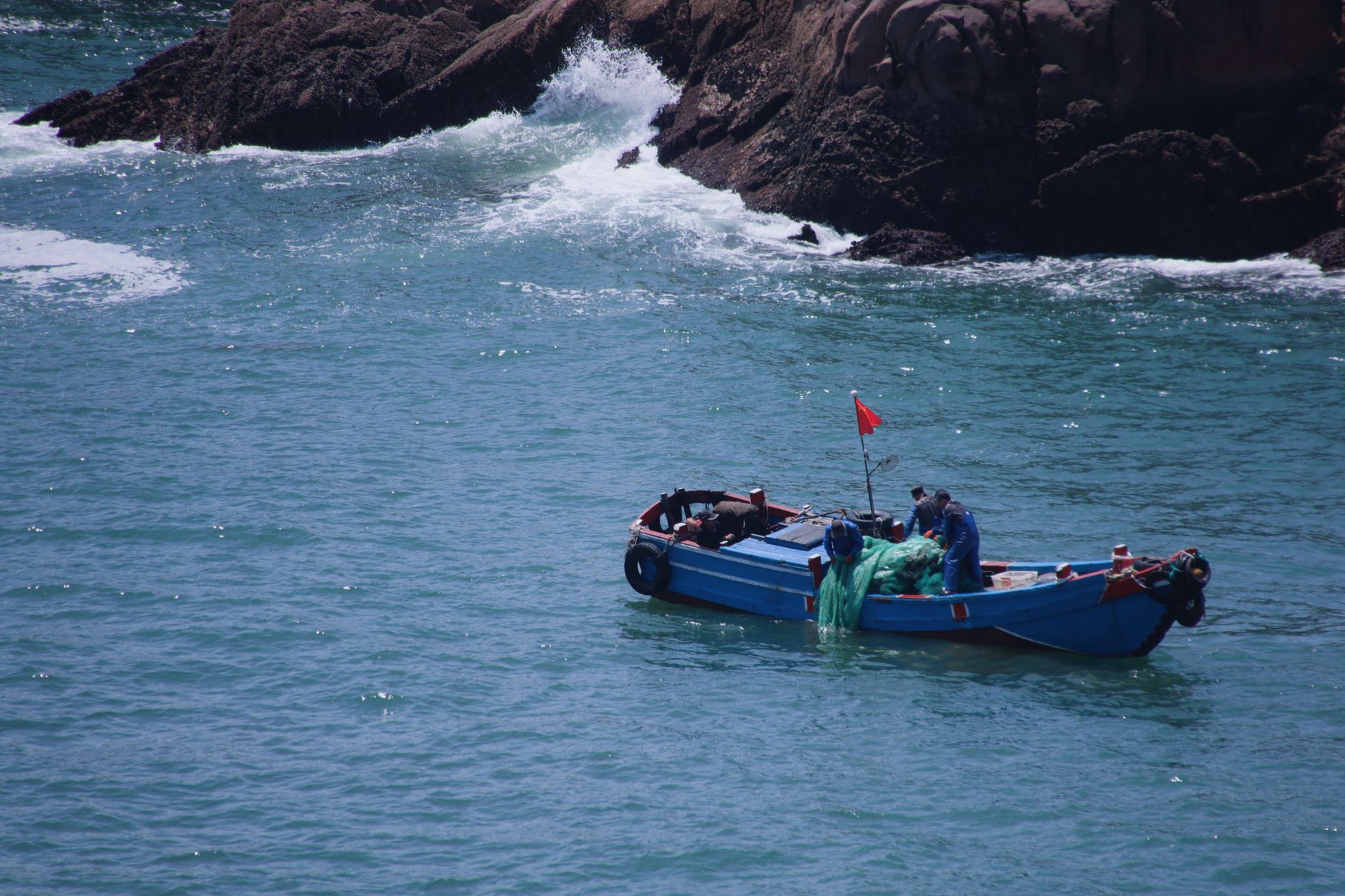
Every can of Pacific tuna passes through waters watched by a small, poorly protected workforce: independent fisheries observers who ride commercial vessels for weeks at a time, logging catches, recording bycatch of endangered species and flagging illegal dumping. A new SBS investigation, published this month, argues that job can be a death sentence — and that the people who die doing it rarely get answers.
At least 14 observers have gone missing or died at sea since 2015, according to the Association for Professional Observers. Most cases remain unresolved. The one that keeps resurfacing belongs to Eritara Aati Kaierua, a 40-year-old father of four from Kiribati who was found dead in a cabin aboard the Taiwanese-flagged longliner Win Far No. 636 in March 2020.
In his final email to his wife, Tekarara, dated 21 February 2020, Kaierua wrote: "Fish is a little scarce or maybe this location is not fertile, we are now fishing in Papua New Guinea and we are still here." Two weeks later he was dead.

What happened next is why the case has become a rallying point. David Hammond, founder of the charity Human Rights at Sea, says the medical record was rewritten. "The first coroner who actually saw the body had highlighted in the official and publicly available reports that Eritara died from a blunt force trauma to the head," Hammond said. A later assessment reversed it: "That second review from independent coroners changed the findings to death by natural causes."
Human Rights at Sea's independent case review lists 26 outstanding questions — including why an initial homicide investigation was rolled back, why the vessel was released from detention while it was still a potential crime scene, and why items such as food containers were never preserved for forensic testing.
For observers, speaking about any of this carries risk. Jude Piruku, a former observer with the Pacific Islands Forum Fisheries Agency, described the isolation of the work. "You've got a lot of time on your hands to think, and imagine, and look at the endless horizon," Piruku said. He knew the job could turn hostile: "On one of my trips on a Chinese longliner, I was obstructed from doing my job." Kaierua's death landed hard. "When I first read about [Eritara's] case in 2020, I lost hope," he said.
The stakes for the region are enormous. The Western and Central Pacific supplies more than half the world's tuna, and the fishery is worth around US$1.5 billion to the Forum Fisheries Agency's member nations. Allan Rahari, the agency's director of fisheries operations, said the catch is "a backbone to a lot of our Pacific Island countries" — which is exactly why under-reporting stings. "They're catching fish, but they're not reporting their catch accurately," he said.
The losses are not only ecological. Commander Khan Beaumont, a surveillance operations officer with the agency, put a figure on the theft: "Approximately US$300 million disappears in illegal activity each year."
Observers are the human tripwire meant to catch that behaviour. Following Kaierua's death, the Forum Fisheries Agency set up a compensation scheme to close insurance gaps for observers killed or injured on the job. Advocates say the deeper problem — getting a straight answer when an observer dies far from shore — remains unsolved.