Fishing in Chagos Ran 25 Times Higher Than Records Show
A new study reconstructing eight decades of catch data finds fishing in the Chagos Archipelago has run about 25 times higher than official records show, raising enforcement questions as the Indian Ocean territory prepares to pass from Britain to Mauritius.
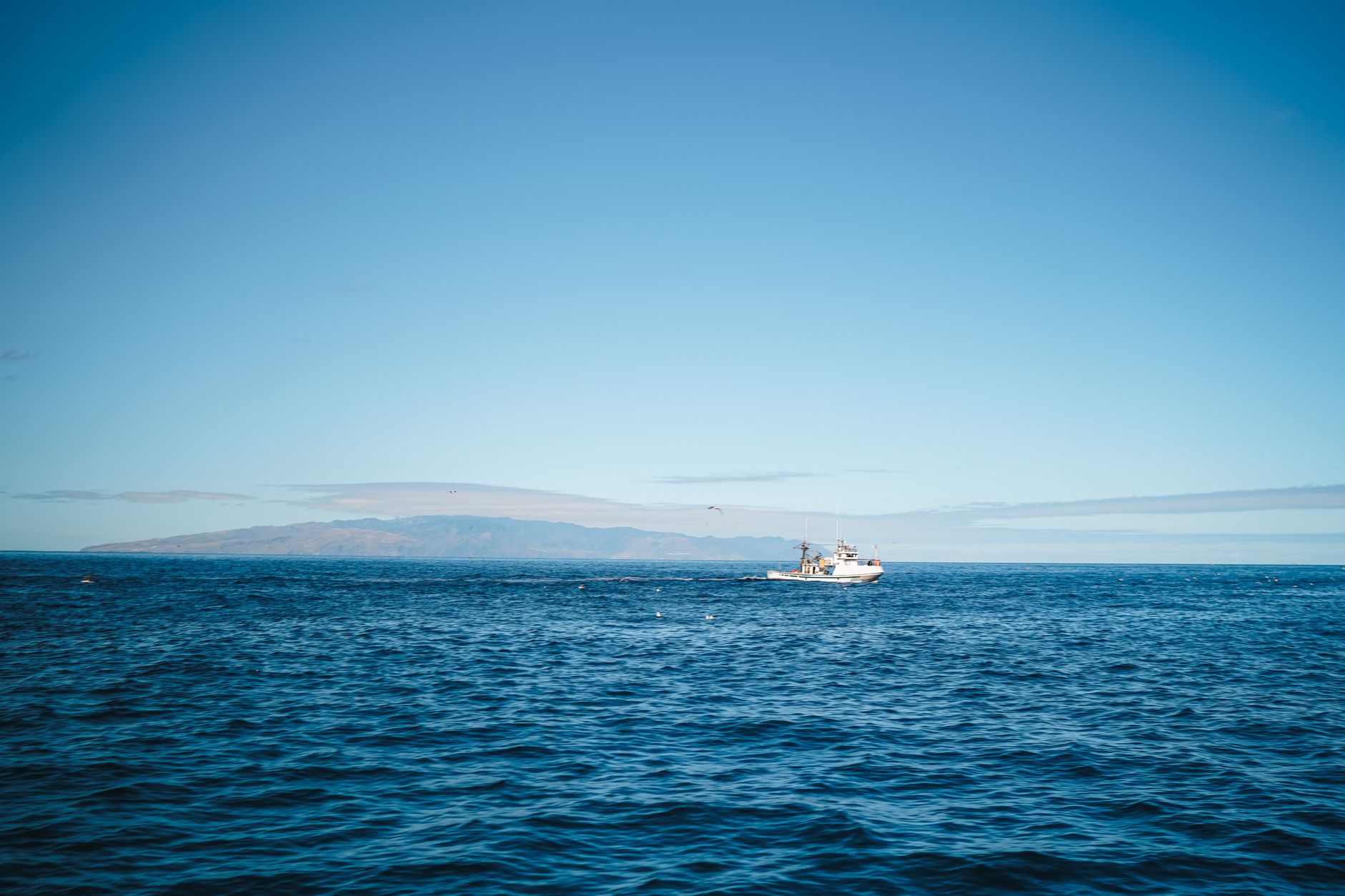
New research has found that fishing across the Chagos Archipelago -- the remote Indian Ocean island chain now set to pass from British to Mauritian control -- has run at roughly 25 times the level shown in official statistics.
The study, published in the Journal of the Indian Ocean Region by researchers with the Sea Around Us initiative, reconstructed catches in the archipelago's waters back to 1950. Where official figures logged only a fraction of the activity, the team pieced together a far larger picture from food-consumption data, plantation employment records, distant-water fleet logs and even declassified CIA documents.
For most of that period, the largest single source of unreported catch was industrial fishing by foreign fleets. Japanese, South Korean, Taiwanese and Soviet vessels worked the region's tuna grounds for decades, with foreign industrial catches climbing from around 100 tonnes in the 1950s to as much as 17,000 tonnes a year by the mid-1990s and early 2000s.
Closer to shore, the history is quieter but just as overlooked. Domestic subsistence and recreational fishing averaged about 100 tonnes a year -- 25 times what the records acknowledged.
"But there is more to the story," said Dirk Zeller, the study's lead author and director of Sea Around Us - Indian Ocean at the University of Western Australia. "Historically, the UK only reported these catches, but prior to the 1970s, people working in the coconut plantations that operated in the atolls since the 1700s fished for subsistence."
Roshni Mangar, a Mauritian researcher and co-author based at the University of British Columbia, said the commercial picture stretched back decades and well beyond local boats. "Mauritian commercial fisheries target mostly groupers, sky emperors and redfish, but we also found that there has been a presence of foreign DWF vessels in the region since the 1950s, targeting tuna and tuna-like species," she said.
The findings land at a delicate moment. A no-take Marine Protected Area was declared across the archipelago's exclusive economic zone in 2010, but enforcement over such a vast, isolated area has always been thin. The researchers estimate illegal catches still run at around 600 tonnes a year, with Taiwanese and Sri Lankan vessels among those recorded targeting vulnerable species such as sharks and sea cucumbers.
"The limited patrols have inadequate deterrent effects and, unfortunately, these illegal catches, although relatively low, do pose a biodiversity risk to the MPA," Zeller said.
In May 2025, Britain agreed to hand sovereignty of the Chagos Archipelago to Mauritius while retaining the military base on Diego Garcia under a deal worth 101 million pounds a year. With the territory changing hands -- and with proposals on the table to reopen parts of the protected zone to fishing for revenue -- the authors argue the gaps in the record need closing before any lines go back in the water.
"This is why, in addition to patrols, vessel monitoring systems, port controls, regulatory sanctions and flag-state collaborations should be implemented once the territory's transfer is finalized," Mangar said.
For a region long treated as one of the planet's last near-pristine ocean wildernesses, the study is a reminder that "unfished" and "unrecorded" are not the same thing.