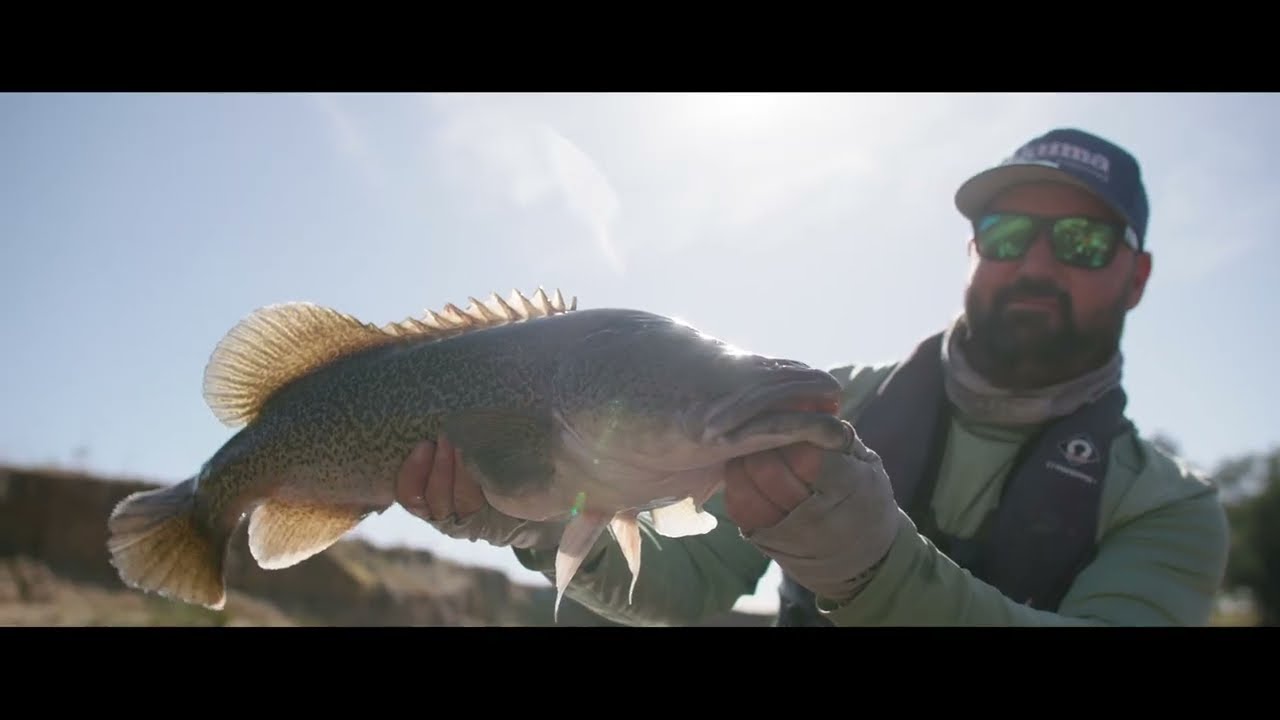
Trout cod, the freshwater native most Australian anglers have never caught, are quietly being rebuilt in NSW under a long-running government programme that now leans on recreational angling techniques to keep up with its production targets.
The Trout Cod Action Plan was put back in front of the public this week with a detailed field report from the Murrumbidgee, where NSW Fisheries staff and contracted anglers spent three days drift-fishing remote reaches of the river to collect wild broodstock for the state hatchery network.
Trout cod were only formally recognised as a separate species in 1974. By the early 1980s the fish was on the brink. "There was one wild population remaining, and that was in the Murray River below Yarrawonga Weir and about 100 km upstream. They were locally extinct from everywhere else where they historically occurred. So, we almost lost them," the lead biologist said.
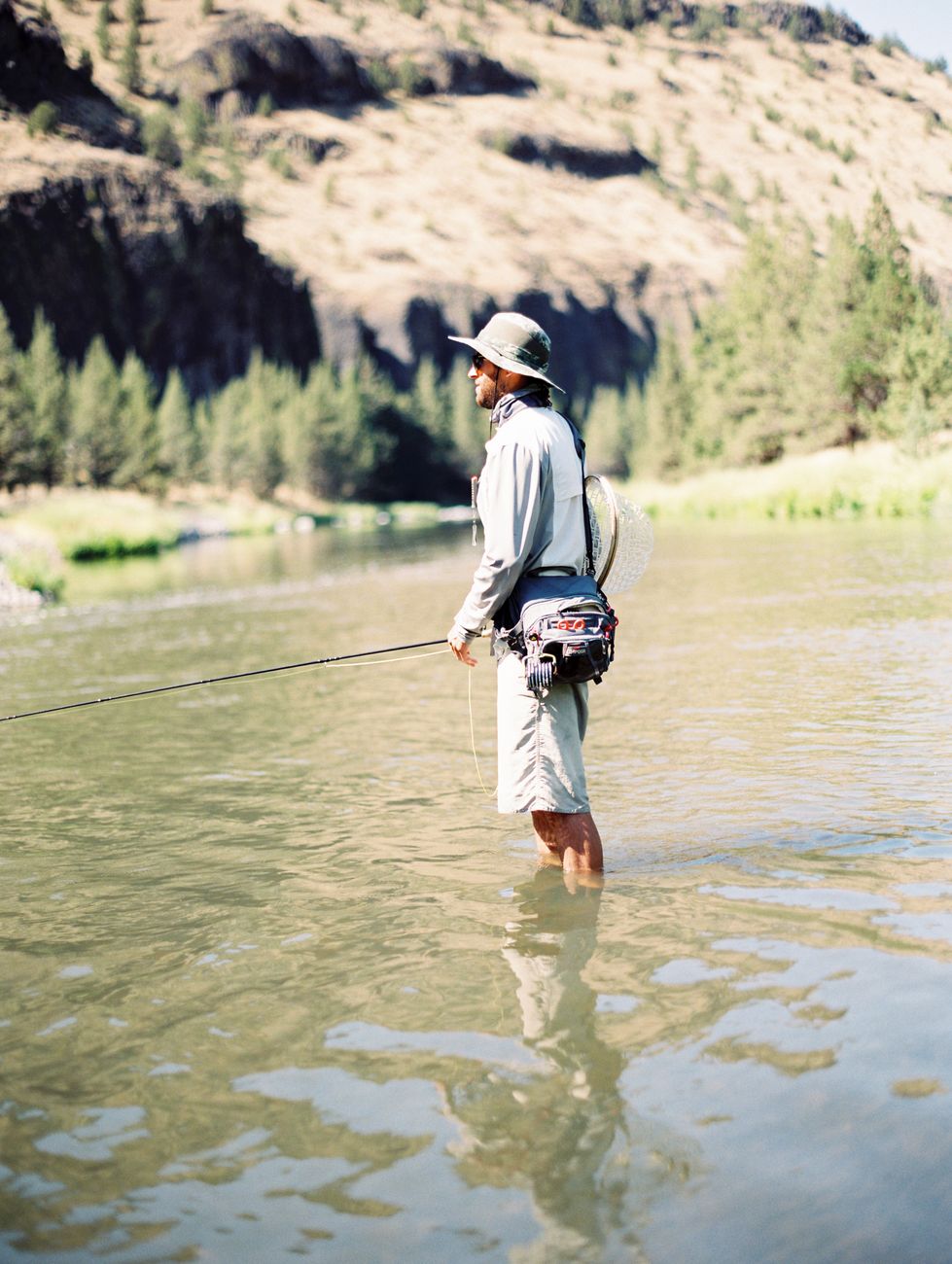
The captive-breeding programme has been running for years, but the bottleneck has always been broodstock genetics. Wild fish from different river reaches carry different gene pools, and the team is now using drift boats to access stretches of the Murrumbidgee that electric-fishing rigs can't reach. Lures and flies are run along structure, every captured fish is swabbed and photographed, and the broodstock is trucked back to Narrandera.
The agency's three-day Murrumbidgee trip produced 14 trout cod, two Murray cod and four golden perch. That ratio looks lopsided until you account for trout cod aggression, which inflates their catch rate. "They contend to be their own worst enemy in some regards because they are really aggressive fish," the biologist said. "Often people have a misconception about how abundant and how many they are in a system just because the catchability is so high on them."
Production is the other half of the story. The hatchery has shifted from hormone induction and hand-stripping to passive nest-box breeding inside the broodstock ponds, which the team says is gentler on the fish and improves longevity. The annual fingerling target sits at 100,000 right now, with a five-year goal of 250,000.
For anglers who grew up never seeing a trout cod, the fish that's coming back is more interesting than most realise. One of the contracted angling crew described it as a smaller, harder-fighting cousin of the Murray cod that hits topwaters and flies the same way. "They eat flies, they fight harder than a Murray cod, and while they may not grow as big, they do all the same things and they've got more punch," he said.
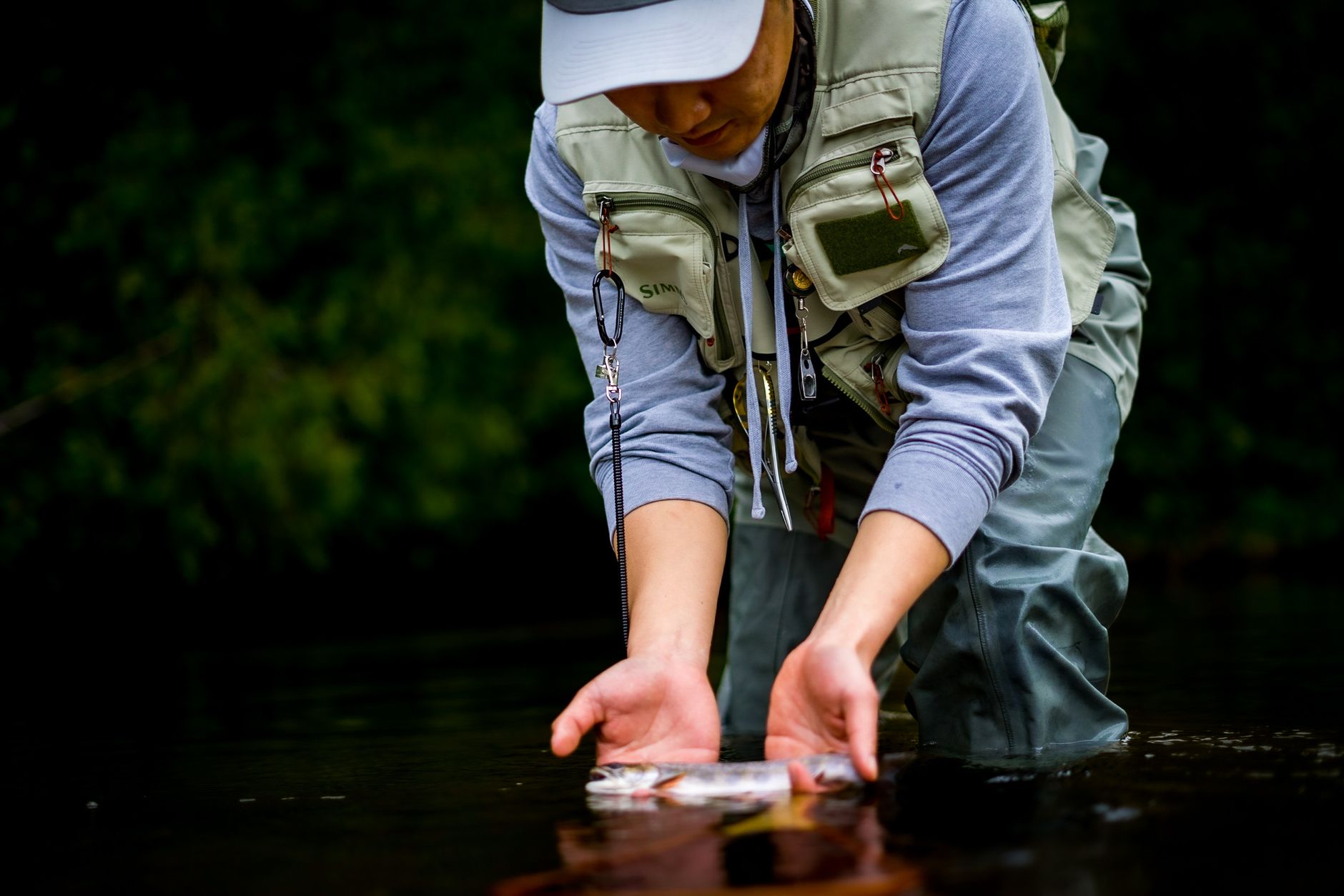
The rebuild is generational. Anglers in their fifties and sixties grew up on rivers where the species was already locally extinct. The long-term goal of the action plan is bringing trout cod back as a recreational target species, not just a hatchery curiosity. "Our long-term objectives and goals are to reestablish and rebuild populations to the point where they can sustain recreational fisheries and be once again targeted by recreational fishers," the team said.
In the meantime, every drift-boat run on the Murrumbidgee is one more wild fish through the door at Narrandera, and one more shot at filling the genetic gaps in a species the country almost lost.