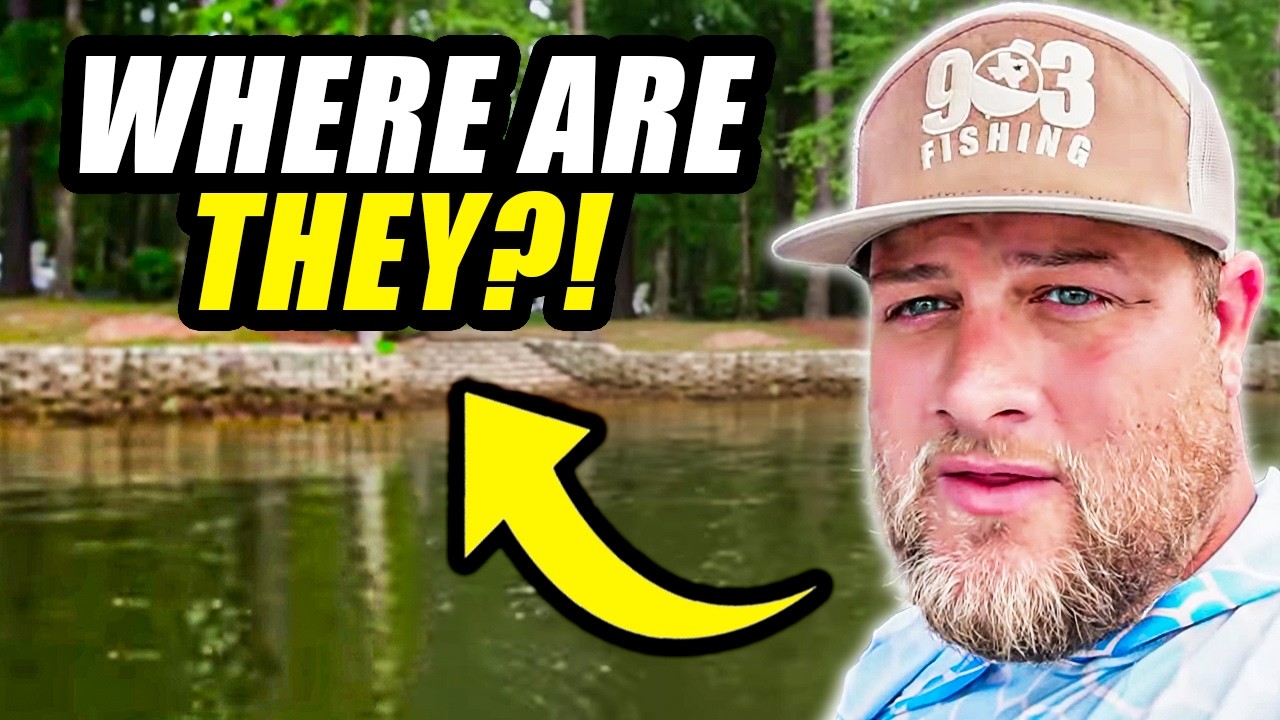
When the East Texas water temperature crept into the mid-70s in early May 2026, 903 Fishing decided it was time to draw a line under the spawn and answer the question that always trips anglers up at this time of year: where do the crappie go next?
"It is post-spawn crappie fishing time here in East Texas," the host said in the video opener. "When the water temperatures get in that mid-70 range, that lets me know that the spawn is pretty much done for the year and these crappie will start going to their post-spawn areas." The plan was simple. Two depth bands. Docks in 6 to 10 feet of water, fished with a quarter-ounce slip-cork rig and minnow. Shallow brush piles in 9 to 12 feet, fished with the same setup or a shot jig.
He was upfront with viewers that bag size was not the goal. "I am not trying to catch a ton of fish today," he said. "I'm just trying to let you know where to find these post-spawn crappie. And this time of the year, right after the spawn, when these crappie transition from their spawning areas to their post-spawn areas, this is where it can be a little tricky. You may have some days where you go out and don't catch anything. And the reason for that is, these crappie are on the move."
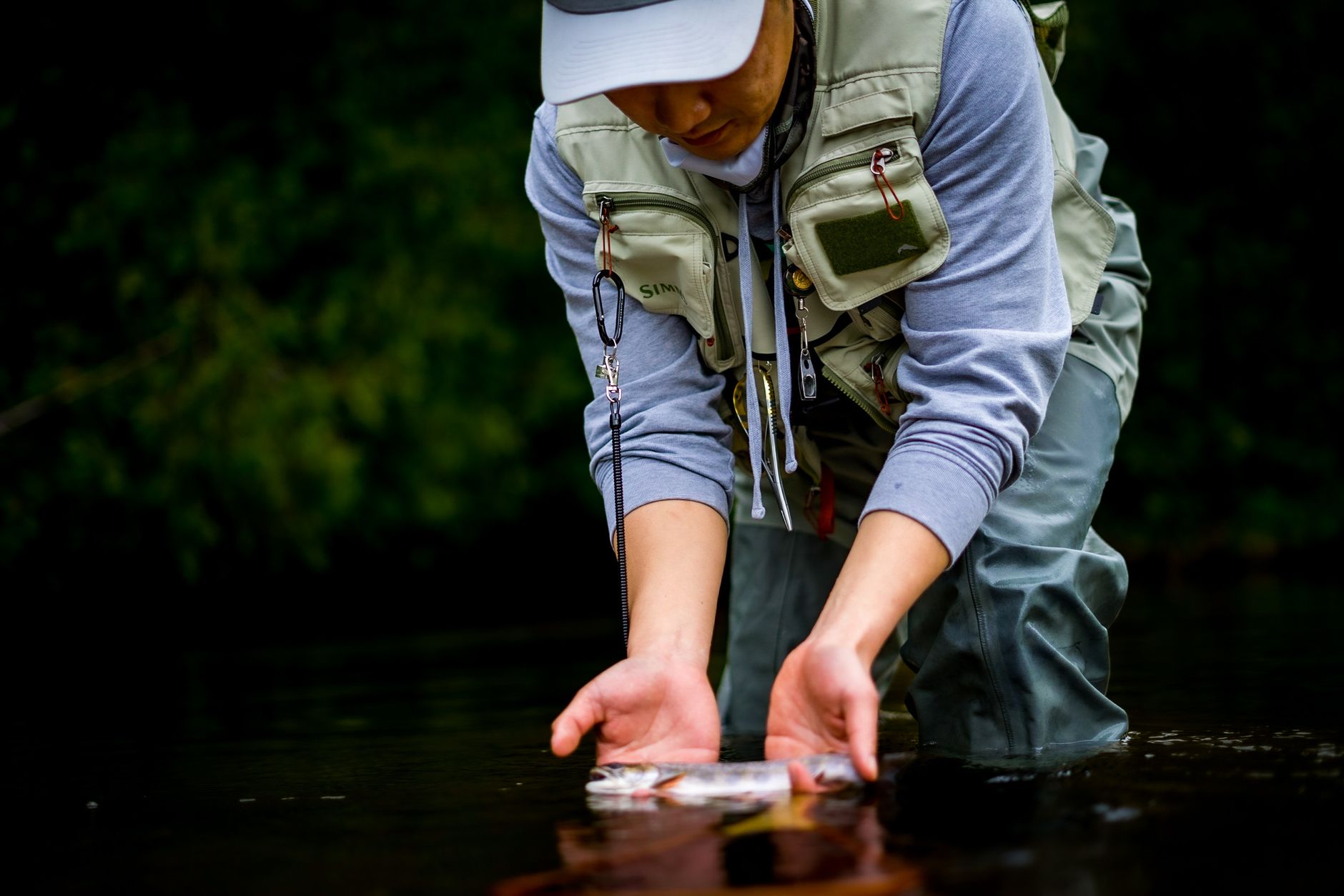
The rig is simple by design. Seven-foot ACC Crappie Sticks one-piece, a CarbonX 2100 from PC Fun, 10-pound braid running mainline, a Comal Tackle slip cork, a quarter-ounce weighted barrel swivel from Slab City Jigs, mono leader and a number two Aberdeen Two Watt crappie hook. No live imaging. "Remember, no LiveScope here," he reminded the audience. "This is not LiveScope or any type of live imaging."
The brush bite delivered the day's most telling fish, an 11-and-a-half-inch black with no eggs and no obvious meat reserves. "Holy smokes. Look how skinny she is," the host said. "No tuxedo. Belly is just empty. Still a good fish. I mean, she thick. Skinny, but she thick." The picture matched what he had been arguing all morning - the females had spawned, dropped the cargo and moved off the bank to recover.
The dock pattern came as a quiet surprise. "Wasn't expecting it, but I think that's going to be a keeper fish," he said over a 10-and-a-half-inch crappie pulled from beneath one of the dock walls. The fish of the day arrived a few casts later, after a minnow worked its way under a pier. "I wish you would go under the dock," the host said as the line moved. "What did I say? That's a giant. That's a big one. That is a slab. That is a hair shy of 14 inches."
A second dock he had never fished before printed money on the first cast. "First time ever fishing this dock. That's why I was shocked when I caught a crappie on my first shot underneath it," he said. The fish followed in pairs - 10 and a half off the corner pillar, a low-10 follow-up, a 9-inch fish drilled on a minnow.
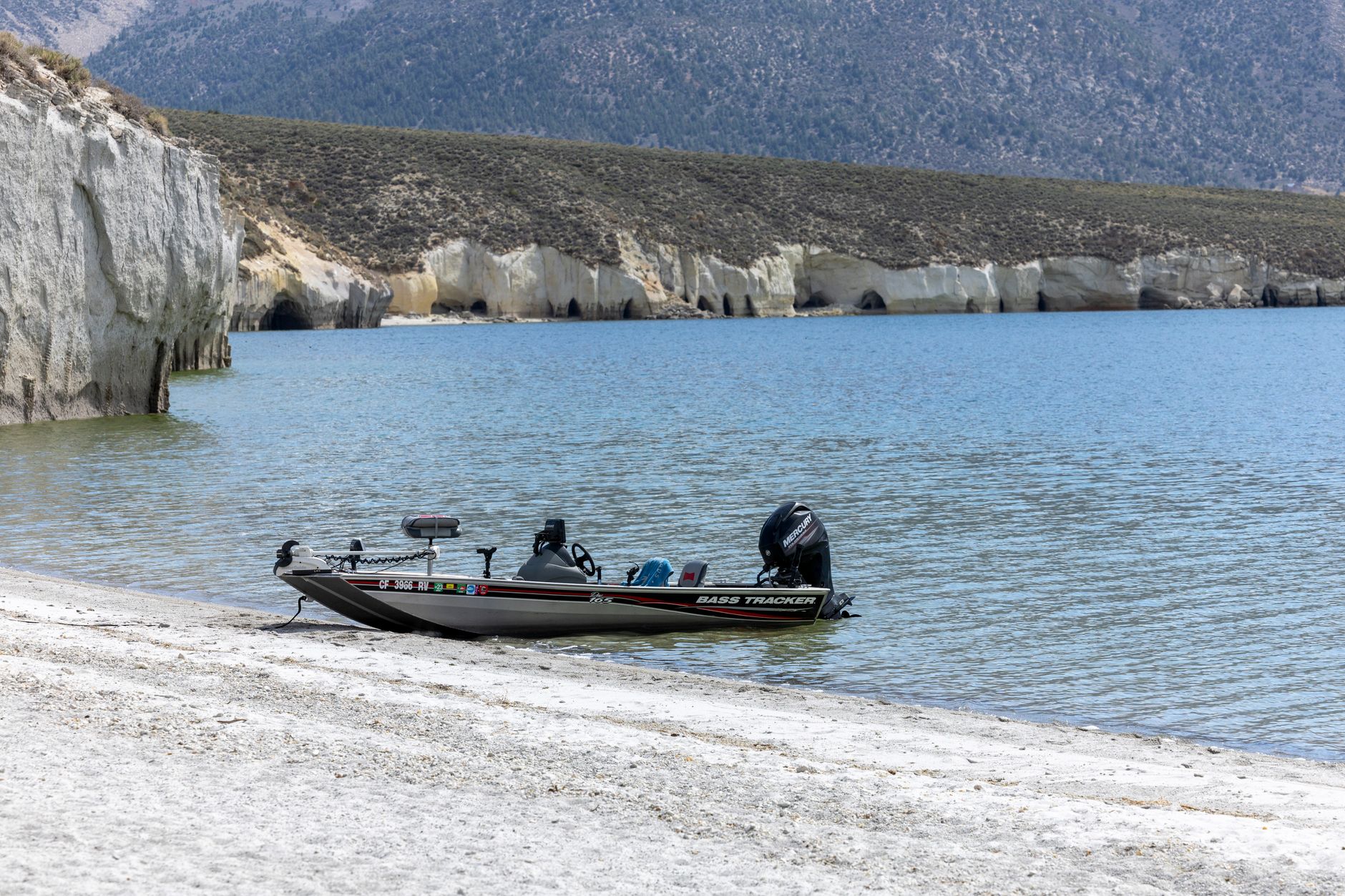
The key takeaway is one of timing rather than gear. The host was direct about why the brush piles, in particular, were not loaded yet. "They're just not loaded up yet. It's only a matter of time." The fish that had finished the spawn first were already moving onto the post-spawn structure. The bulk of the population, especially the females, were still in transit.
By the end of the trip, the cooler held ten keeper crappie, enough for two meals. The blueprint, he argued, will only sharpen as May rolls on and the water continues to climb. "Like I said, docks, little deeper docks and shallower brush piles, 8 to 12 feet deep, that's where you could find these crappie. And I think they're just not loaded up yet. It's only a matter of time."