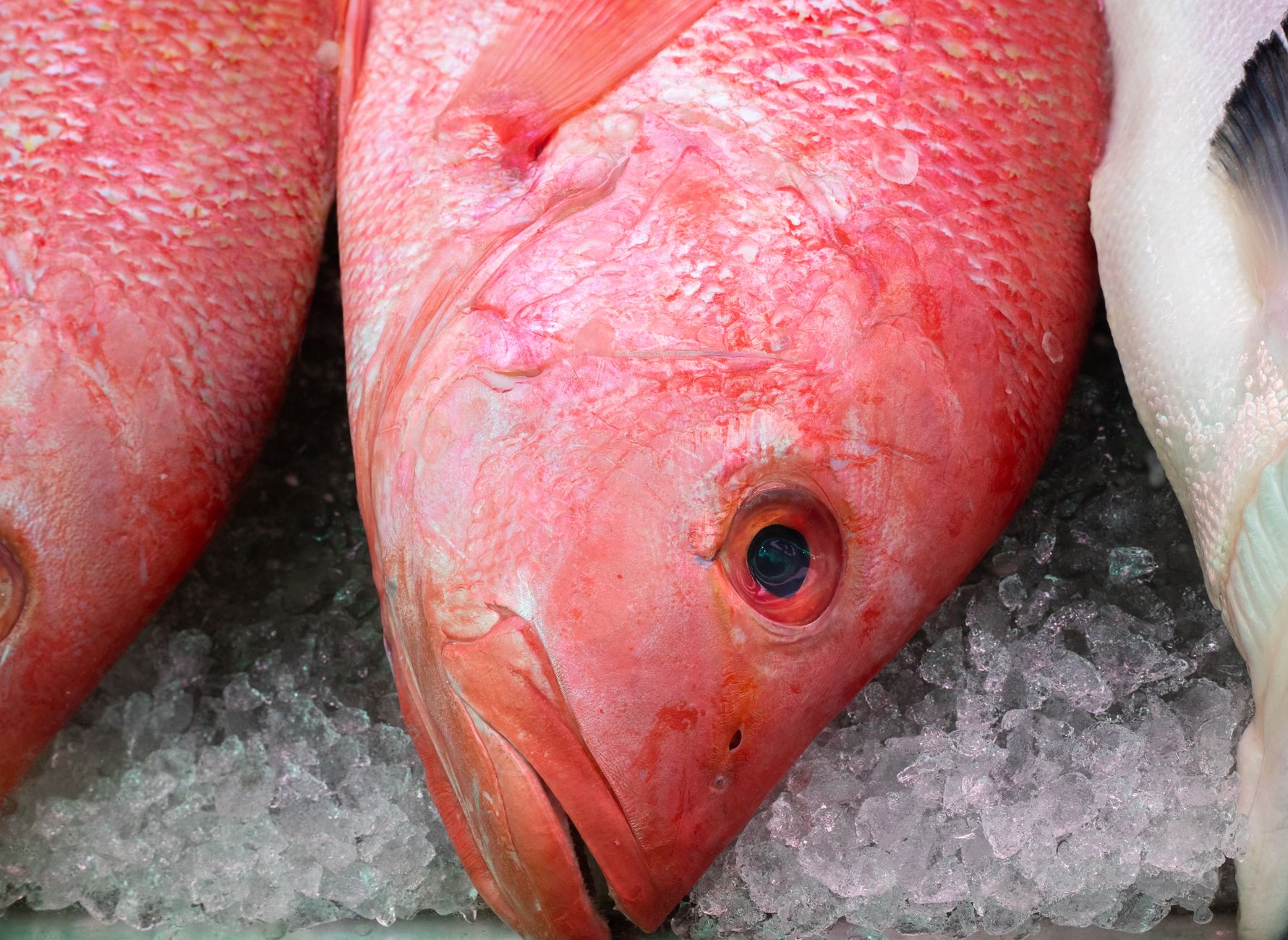
Eleven weeks after a federal judge blocked their first attempt, three southeastern states are asking NOAA Fisheries for permission to run their own Atlantic red snapper seasons.
NMFS confirmed on 10 August that it had received exempted fishing permit applications lodged on 10 July by the Florida Fish and Wildlife Conservation Commission, the Georgia Department of Natural Resources and the South Carolina Department of Natural Resources. The public comment window shuts on 25 August.
Each state named a harvest ceiling: 185,379 fish for Florida, 19,253 for South Carolina and 10,759 for Georgia. Those figures come out of the 509,000-fish total annual catch limit under Secretarial Amendment 59, less commercial landings and an estimated 463,033 recreational dead discards - released fish not expected to live.

North Carolina sat this round out. Rather than reapply, it has asked NMFS for a standard federal-waters recreational season.
The states are selling the permits as research. They want to trial electronic catch reporting, measure how many anglers genuinely target the species, and gather biological data. NMFS acknowledged in the notice that the error margins on recreational harvest estimates are high, "indicating low precision and significant uncertainty."
Recreational seasons in South Atlantic federal waters have lately been cut to one or two days, and the anger over that is not subtle.
"South Atlantic red snapper is not a stock in jeopardy," the American Sportfishing Association and Coastal Conservation Association said jointly in May. "Anglers and managers have worked for years to rebuild this fishery, and those efforts have been wildly successful. The latest stock assessment confirms what anglers see on the water - the Atlantic red snapper stock is as abundant now as ever." The groups said the short openings had created "excessive discard mortality estimates and a derby-style fishery that results in foregone yield, poses safety risks, and erodes public confidence."
The first attempt died on 21 May, when the US District Court for the District of Columbia issued a preliminary injunction in Southeastern Fisheries Association v. Lutnick. Commercial operators had sued over permits NMFS approved on 1 May. Florida's 39-day season was hours from opening.
"All recreational fishing under these South Atlantic EFPs is not authorized, including tomorrow's start date of May 22, 2026, for Florida's recreational red snapper season," NOAA Fisheries said.
Groups that filed an amicus brief supporting the challenge see the stock differently.
"We know that overfishing almost wiped out red snapper populations," said Earthjustice senior attorney Andrea Treece. "That's why years of science and agreements set up a framework to make sure there's enough snapper year-to-year. It's not smart to play politics like this with our shared public resources."
Meredith Moore, Ocean Conservancy's senior director of fish conservation, was wary about what followed the ruling. "The injunction offers the first real hope that we might prevent overfishing from driving red snapper back into decline," she said. "With no season length, no estimate on catch, and no guarantees that fishing will be restricted to state waters, Florida's plan risks putting us right back to what led to this lawsuit in the first place."
The two camps also disagree about what abundant small fish signify.
"It's not intuitive because we associate fertility with a certain limited age range, but elsewhere in the animal kingdom, that's not how it works," said Ocean Conservancy fisheries scientist Dr Michael Drexler. "Older fish are the backbone of a healthy fish population because they produce more eggs, spawn more reliably, and help stabilize populations during environmental change, so seeing more young fish in the water is a good thing but not the signal we should be looking at for the long term."
The stock's rebuilding plan runs to 2044. The commercial season opened on 13 July under a 102,951-pound limit and is untouched by these applications.