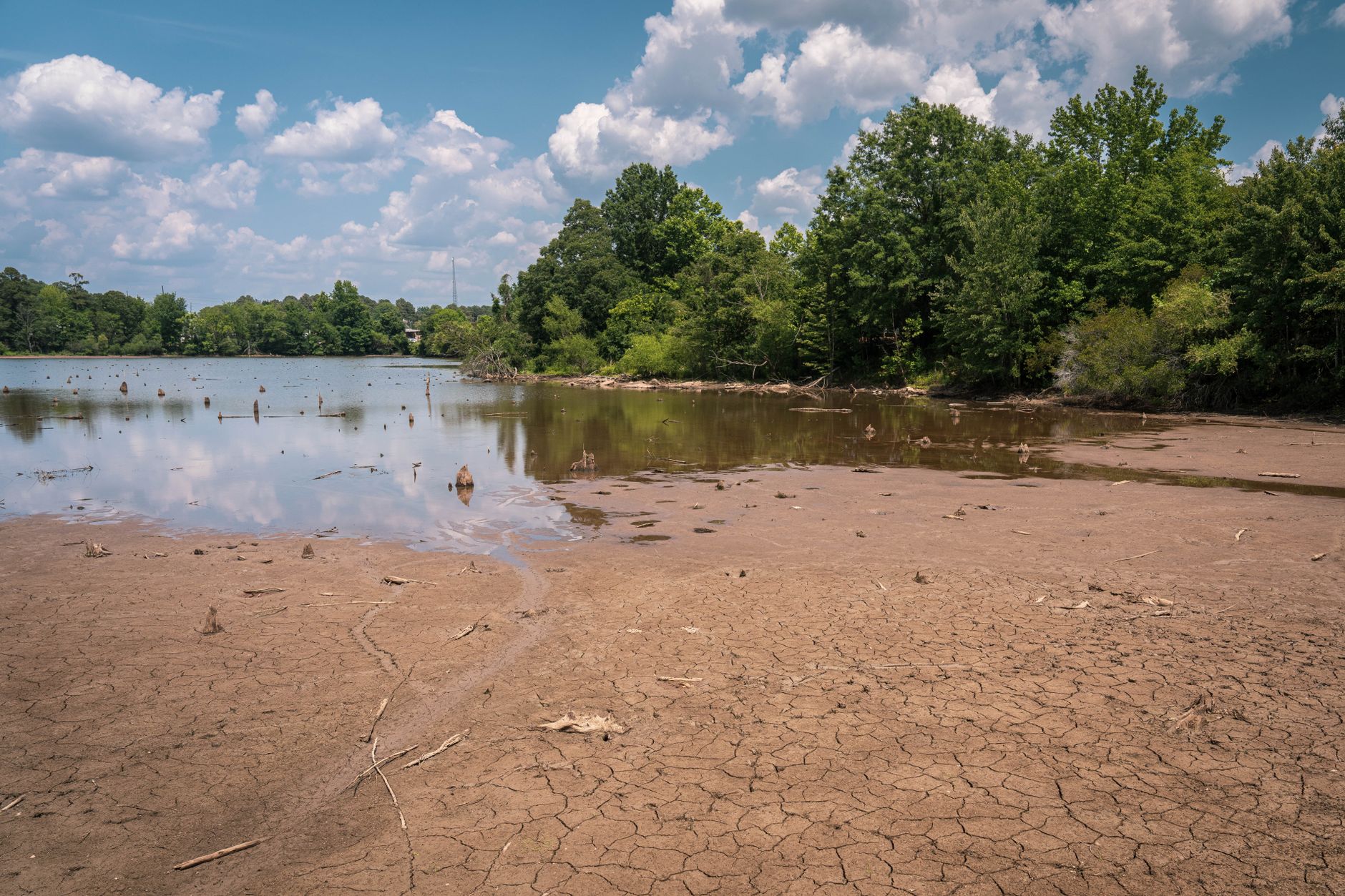
For months before the fish died, Bill Prater could see it from his house. The past president of the Loveland Fishing Club lives a few hundred yards from Horseshoe Lake, a privately owned reservoir in northern Colorado, and he watched it retreat all summer into scattered pools and drying mud.
When the die-off came last weekend and dead fish began washing through the inlet into adjoining Boyd Lake, it read as the end of a slow process rather than a sudden accident.
"The lake is essentially emptied," Prater told the Loveland Reporter-Herald. "And that's when the die-off really took hold."
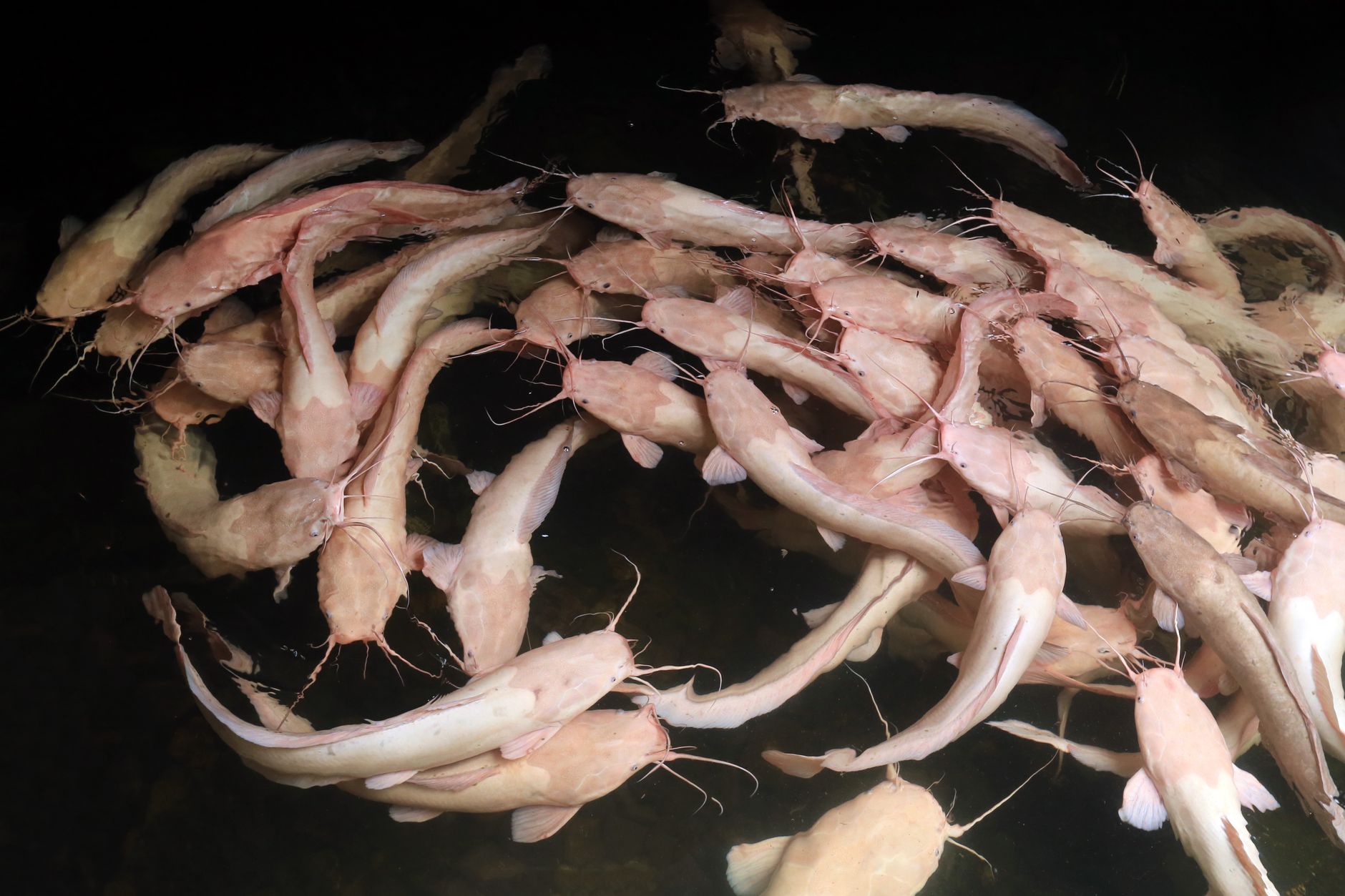
Colorado Parks and Wildlife puts the toll in the thousands - mostly common carp, along with walleye, white bass, shad and catfish. Images of carcasses piled along the Boyd Lake channel circulated widely online.
CPW has drawn a firm line around what it is responsible for. Horseshoe is private water, so the agency does not manage or stock it and did not investigate what caused the kill. Boyd Lake's fishery, it says, was not affected.
"These are not fish that were from Boyd Lake that had been living there before. They're all coming over from Horseshoe," CPW spokesperson Kara Van Hoose told KDVR, adding: "There's just dead fish that flowed into the inlet. There's not a lot you can really do."
Species mix shaped the agency's response as well. "Because it's more overwhelmingly common carp, it's a species that is not something that's really high on the CPW priority list, but certainly that we would still not want to see deceased," Van Hoose said. Staff salvaged the live fish they could reach and relocated them to another water body already holding carp; most carcasses stay put.
The Greeley-Loveland Irrigation Company, which controls water movement through the system linking the lakes, said Horseshoe never filled this year because of poor snowpack, and that water left the reservoir once shareholders called for their deliveries. The company did not immediately respond to the Reporter-Herald.
Where the accounts genuinely diverge is on whether a rescue was possible. AJ Macdonald, president of the Horseshoe Lake homeowners association board, shared an email sent to residents. The board, it says, raised the alarm on learning the ditch company "intended to draw the lake to such a low level," contacted both the irrigation company and CPW, and came away understanding that "saving our fish was not a high priority." The HOA then worked with the fish farm that originally stocked the lake on a plan to move the fish out and restock in a year, and applied for the state permit required to do so.
"The owner of the fish farm was assured by the state that our permit would be approved last week and that they could start moving fish immediately," the email reads. "No action has been taken as our permit has still not been issued. Unfortunately, now all our fish have died."
Mike Davis, a northern Colorado resident of several decades whose in-laws bought a house nearby in 1978, had been tracking the water line all season.
"It just the level just kept going down further and further and further and further, and I was like, wow, this is really bad," Davis said. The fish came later. "It got so low that I could see the fish just flopping around and they're out along in the mud, and they're just stuck there. They're dying, you know, and it just broke my heart to see that."
His complaint is about pace rather than entitlement. "I get that shareholders have a right to their water and they want to use it for irrigation. I get that, and I appreciate it," he said. "But we don't have to dump it out so fast, so quick, that it causes the loss of life of an animal."
No official cause has been confirmed. Chris Myrick, a professor of fisheries and aquatic sciences at Colorado State University, did not visit the site and noted that a proper determination needs on-site water temperature and dissolved-oxygen readings and tests for chemicals or toxic algae. The underlying mechanism, though, is well understood.
"The hotter the water is, the less oxygen it naturally holds, and, at the same time, the hotter the water is, the more oxygen fish use," Myrick said. "So it's a double whammy." A shrinking lake compounds it by packing fish into less water. "You have a limited amount of water, limited amount of oxygen, fish that are using a lot of oxygen even when they're resting. Then you just run out of oxygen."
He expects more of it. "I think this year it's been exacerbated by starting off with relatively low water levels in some of the reservoirs," Myrick said. "And then high temperatures just make it worse." Colorado has seen an unusual run of fish kills and emergency salvages this summer.
Myrick says the carcasses are unlikely to threaten surviving fish or wildlife unless a toxin was involved; scavengers and decomposition handle the rest. CPW still recommends caution when handling or harvesting fish near the inlet.
Herons and gulls have arrived to work the shallows. Prater, meanwhile, reports stressed fish at other local spots and is not treating this as over.
"This might not be the end of it," he said.