Striped bass are arriving at the gunwale in halves along the Connecticut shore, and the skippers who run those trips for a living have stopped calling it a run of bad luck.
"It's epidemic. It's beyond what we could ever imagine," said Greg Dubrule, owner of Blackhawk Sport Fishing in Niantic and 57 years in the charter trade.
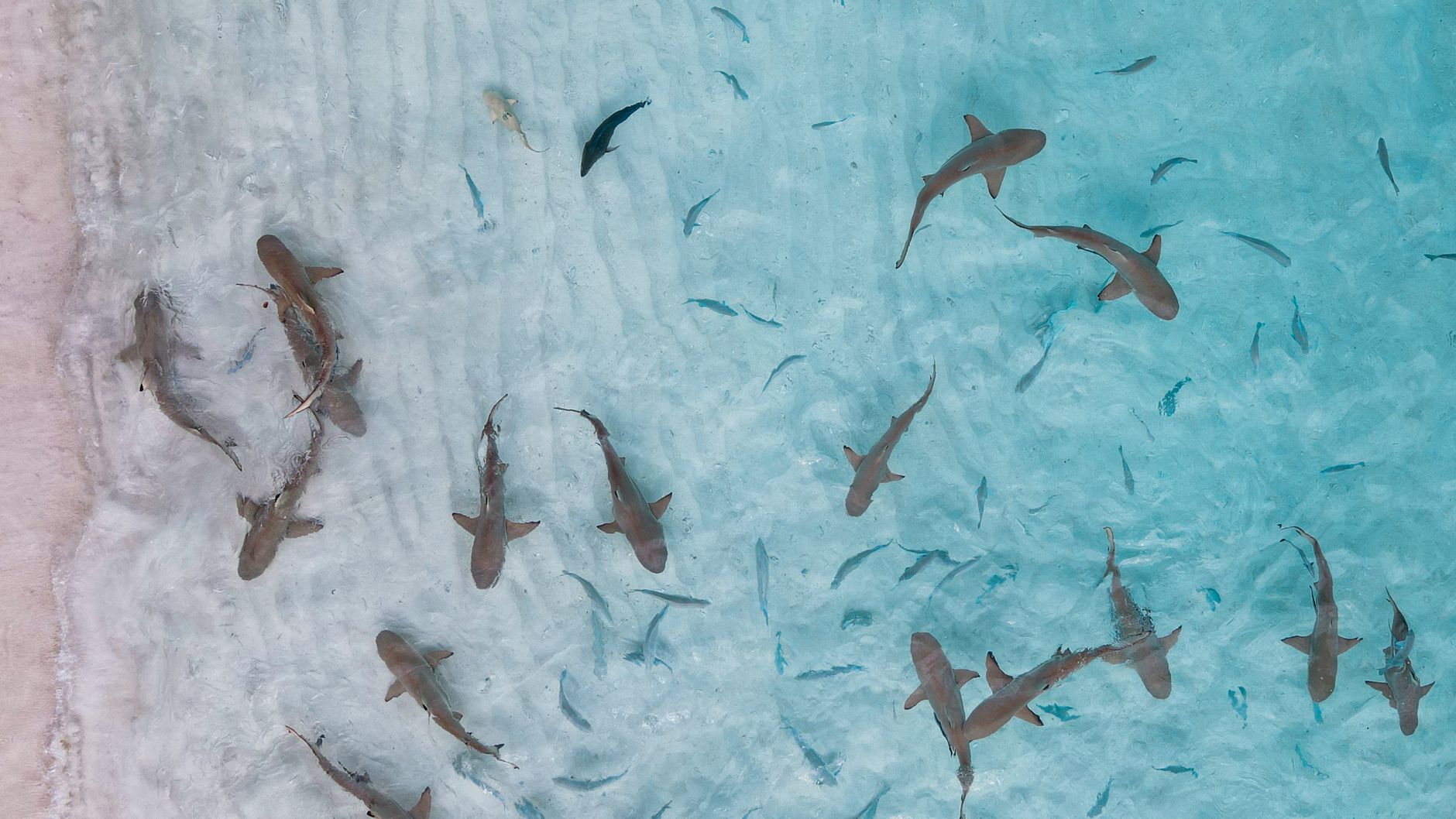
The culprit is mostly the brown shark - the sandbar - a federally protected species anglers cannot keep. Its numbers along the Sound have climbed since the fin-market harvest was shut down, helped along by cleaner and warmer inshore water. Operators working the same ground week after week say the shift has been abrupt.
"They are everywhere - from Westbrook to Watch Hill," said Mike Roy of Reel Cast Charters in Old Saybrook. "Thousands of them, not hundreds."
Roy, 42, counted on a single striped bass morning off New London: "We have seen over 15 sharks today in two hours." He runs two boats, 23 and 27 feet, three anglers apiece on five-hour trips. Each boat landed four bass that day against a historic norm of 20 to 30.
Since starting the business in 2011, Roy says, he saw no striper bitten in half until four years ago. Now the sharks hold station around his hulls, having worked out that a boat means food. He wants brown sharks taken off the protected list and a "reasonable, sustainable season" opened. "It's out of control," he said.
Sam Feteke, 25, of Twenty4Seven Guide Service in Old Saybrook, has written off whole areas. "Some places I won't even fish because the sharks are so bad," he said. "Around Fishers Island (at the eastern end of Long Island Sound) it's terrible." On lifting protection, he is unequivocal: "Whatever it takes to reduce the population."
The state biologist covering the water agrees the sharks are back and disagrees about how thickly. David Molnar of Connecticut's Department of Energy and Environmental Protection said brown, sand tiger and dusky sharks are more abundant chiefly because the fin harvest ended - brown sharks having been singled out for their unusually large dorsal fins. They mature slowly and drop one to three pups a year, so the recovery has been steady rather than sudden.
Protected sharks are more common inshore now, Molnar said, "but they're not everywhere." He hears from plenty of charter customers thrilled to have hooked one by accident, and he keeps the frame wide.
"The water is a shark's home; we're just visitors," he said.
Managers meet in October, and a harvest season for one or more protected species is on the table, Molnar said - though he noted previous rollbacks ended in severe overfishing. Connecticut's shark sighting page logged around 1,100 reports last year, threshers and makos among them.
National research suggests the docks may be reading a more tangled situation than they think. A study in the ICES Journal of Marine Science mapped a century of shark depredation across Atlantic recreational fisheries from Maine to Texas and identified at least 51 affected target stocks and 22 shark species doing the depredating.
"At its essence, shark depredation is the result of an overlap between humans and wildlife," said lead author Dr Marcus Drymon of Mississippi State University and Mississippi-Alabama Sea Grant. "In this case, the overlap is between recreational anglers and sharks competing for a shared resource. Navigating recent increases in shark depredation, real or perceived, requires a broader understanding of how this overlap has evolved over time."
NOAA points to several forces stacking up simultaneously: rebuilt shark stocks, growing angler numbers, more released fish reaching the surface injured or dead, and sharks learning that engine noise is a dinner bell. The agency also warns that "sharks are not the only animals capable of depredation. Dolphins, seals, groupers and other large fish are all known to feed on anglers' catch. While sharks are easy to blame, they are not always the culprit." Connecticut captains concede seals hurt them as well, but put sharks first.
Nationally, bull sharks and sandbar sharks are the two species most often involved. Bull sharks can be harvested; sandbars cannot. Both are queued for fresh stock assessments, and that is where any Connecticut season will ultimately be decided.
Dubrule, 76, whose 75-foot party boat also runs sunset cruises and seal watches, remembers hearing Florida anglers say they could not get a whole fish aboard down there.
"We're getting that here now," he said.