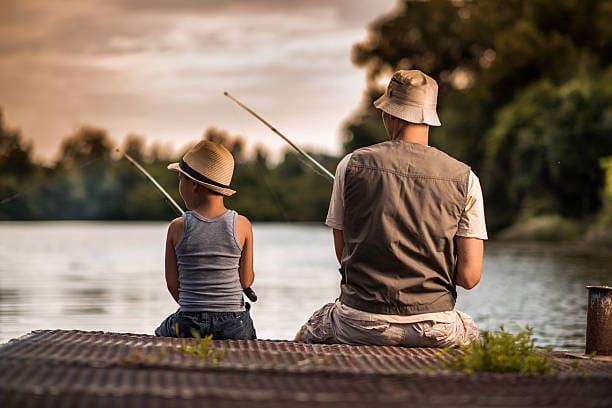
The gentle lapping of water against the shore and the anticipation of that telltale tug on the line continue to draw fishing enthusiasts to lakes and reservoirs across the region, creating a growing community of anglers seeking both relaxation and adventure in freshwater environments.
From weekend warriors to seasoned veterans, fishermen are discovering that these freshwater destinations offer a unique combination of tranquility and excitement that's hard to match. The appeal extends far beyond simply catching fish, according to local enthusiasts who emphasize the deeper connection these waters provide.
"Fishing is about the connection to nature as much as it is about catching fish," said local fishing enthusiast Mark Jenkins, reflecting the sentiment of many who frequent these waters.
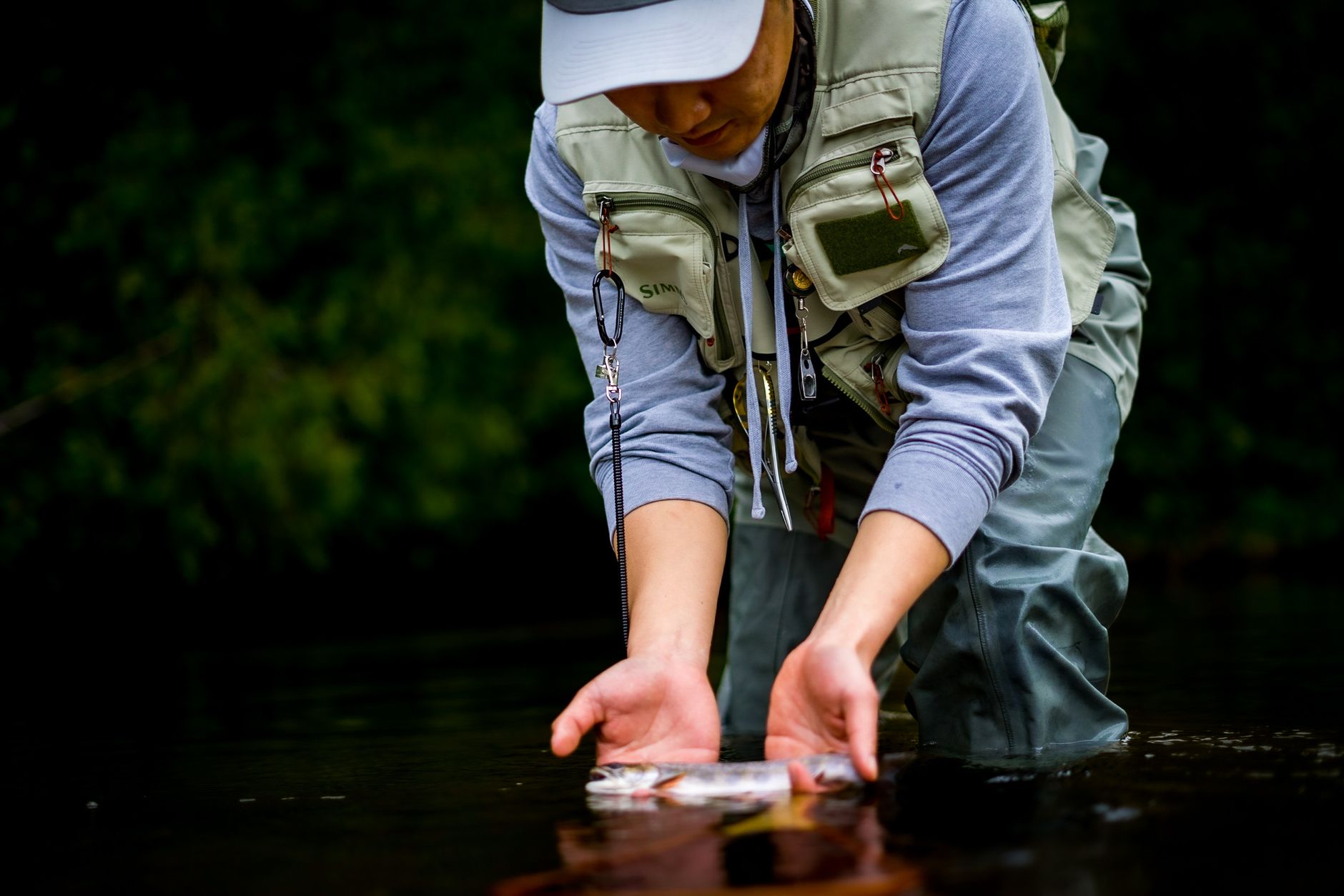
"Fishing is about the connection to nature as much as it is about catching fish,"

The dynamic ecosystems found in lakes and reservoirs create diverse fishing opportunities that keep anglers coming back. These freshwater bodies support varied fish populations and provide different challenges depending on their origin and structure.
**Understanding the Waters**
Impact and Legacy
Impact and Legacy
Impact and Legacy
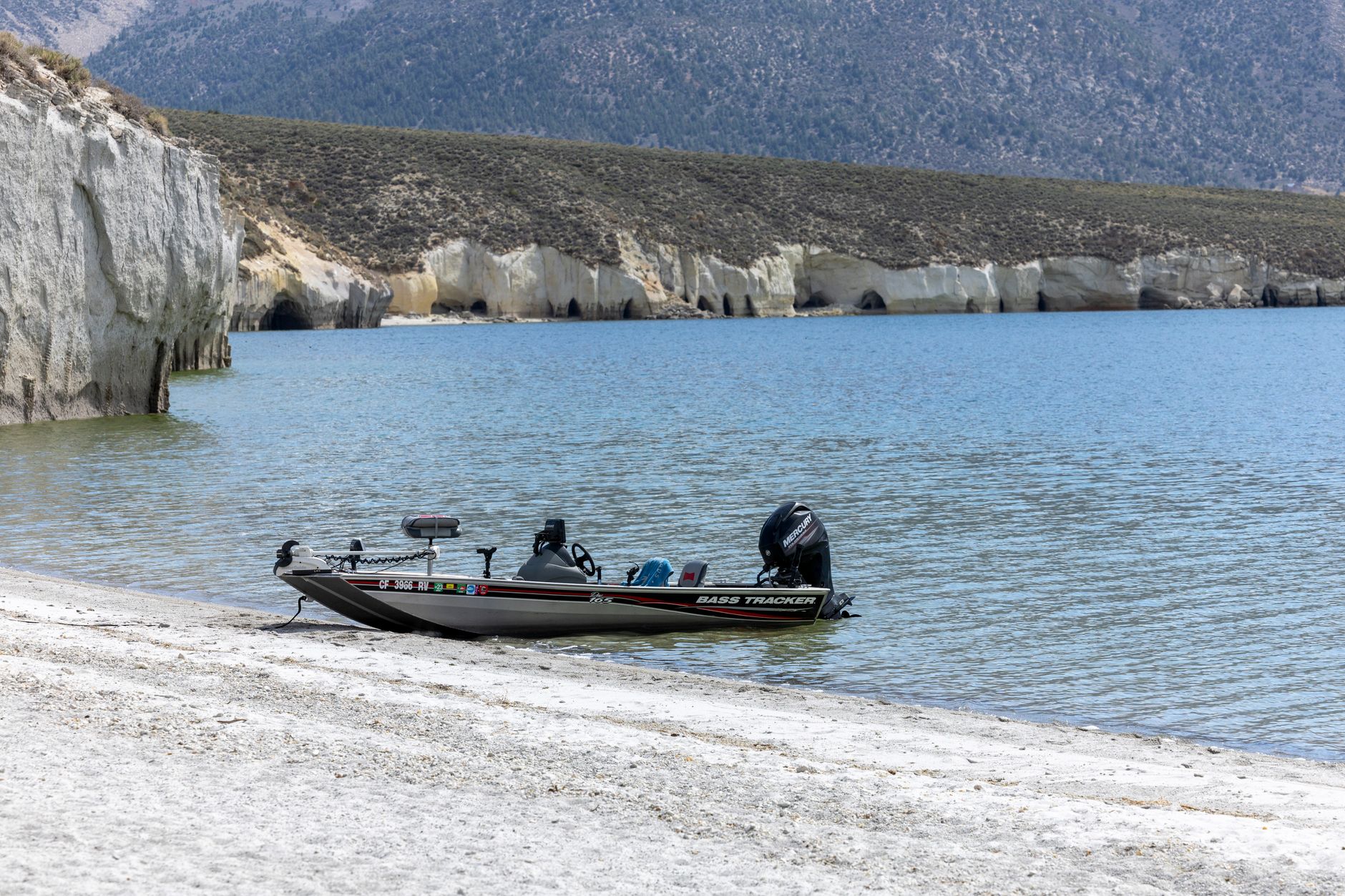
While both lakes and reservoirs offer excellent fishing opportunities, understanding their differences can significantly impact an angler's success. Natural lakes, formed through geological processes over thousands of years, present different characteristics compared to their human-made counterparts.
Reservoirs, created by damming rivers, offer unique advantages for fishing enthusiasts. "Reservoirs typically feature more varied depths and structures because of their engineered nature," explained wildlife biologist Dr. Susan Roberts. This engineered diversity often translates to more varied fishing experiences, with different depths and underwater structures creating distinct habitats for various fish species.
"Reservoirs typically feature more varied depths and structures because of their engineered nature,"
The varied topography of reservoirs can create underwater ledges, submerged channels, and diverse depth zones that attract different types of fish, making them particularly appealing to anglers seeking variety in their catches.
**Essential Equipment for Success**
Getting started in freshwater fishing doesn't require a significant financial investment, but having the right basic equipment can make the difference between a frustrating day and a successful outing. Veteran angler Mike Turner emphasizes the value of local knowledge when building a tackle collection.
"Visiting a local fishing shop can yield insights into what works best in your area, so don't hesitate to ask," Turner recommended.
"Visiting a local fishing shop can yield insights into what works best in your area, so don't hesitate to ask,"
A well-organized tackle box forms the foundation of any fishing setup, containing essential items like sinkers to keep lines at proper depths, bobbers that signal fish activity, and a variety of hooks typically sized between 6 and 10 for targeting small to medium fish. Most beginners find success with 6-12 pound test fishing line paired with a basic rod and reel combination.
The choice between live bait such as worms and artificial lures depends on target species and personal preference, with both options proving effective in different situations.
**Location Strategy**
Success in freshwater fishing often depends as much on location selection as equipment choice. Experienced anglers know that fish aren't distributed evenly throughout a body of water, making spot selection crucial.
Race Results
Race Results
Drop-offs and ledges where shallow water transitions to deeper areas consistently produce results, as these locations naturally concentrate fish. Rocky areas attract insects and smaller creatures, creating feeding opportunities that draw larger fish. Similarly, areas with aquatic vegetation provide shelter and food sources that fish find attractive.
**Understanding Fish Preferences**
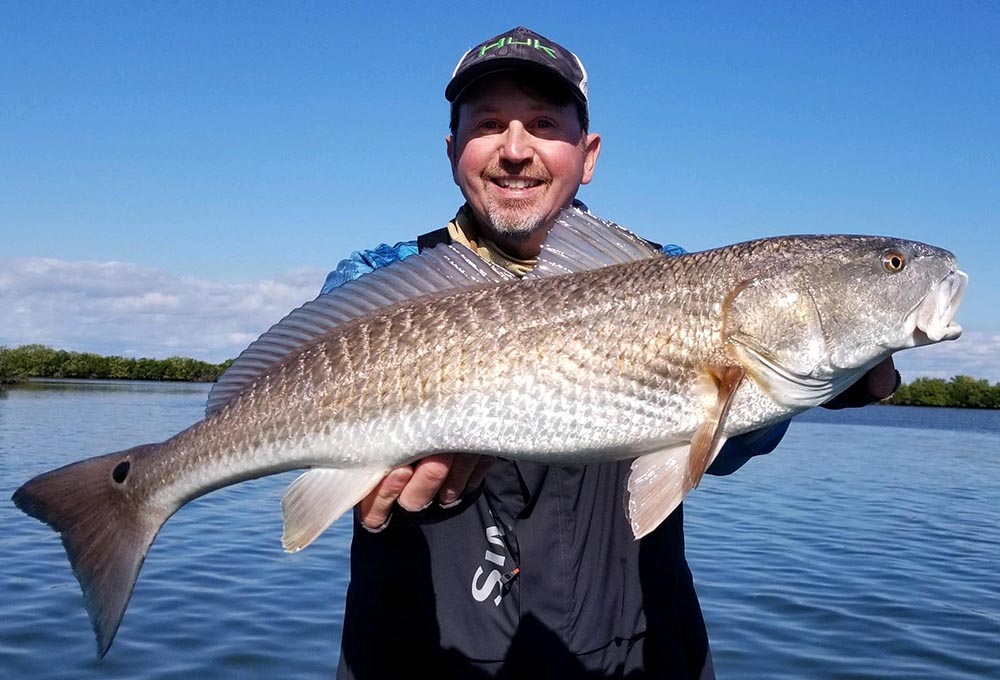
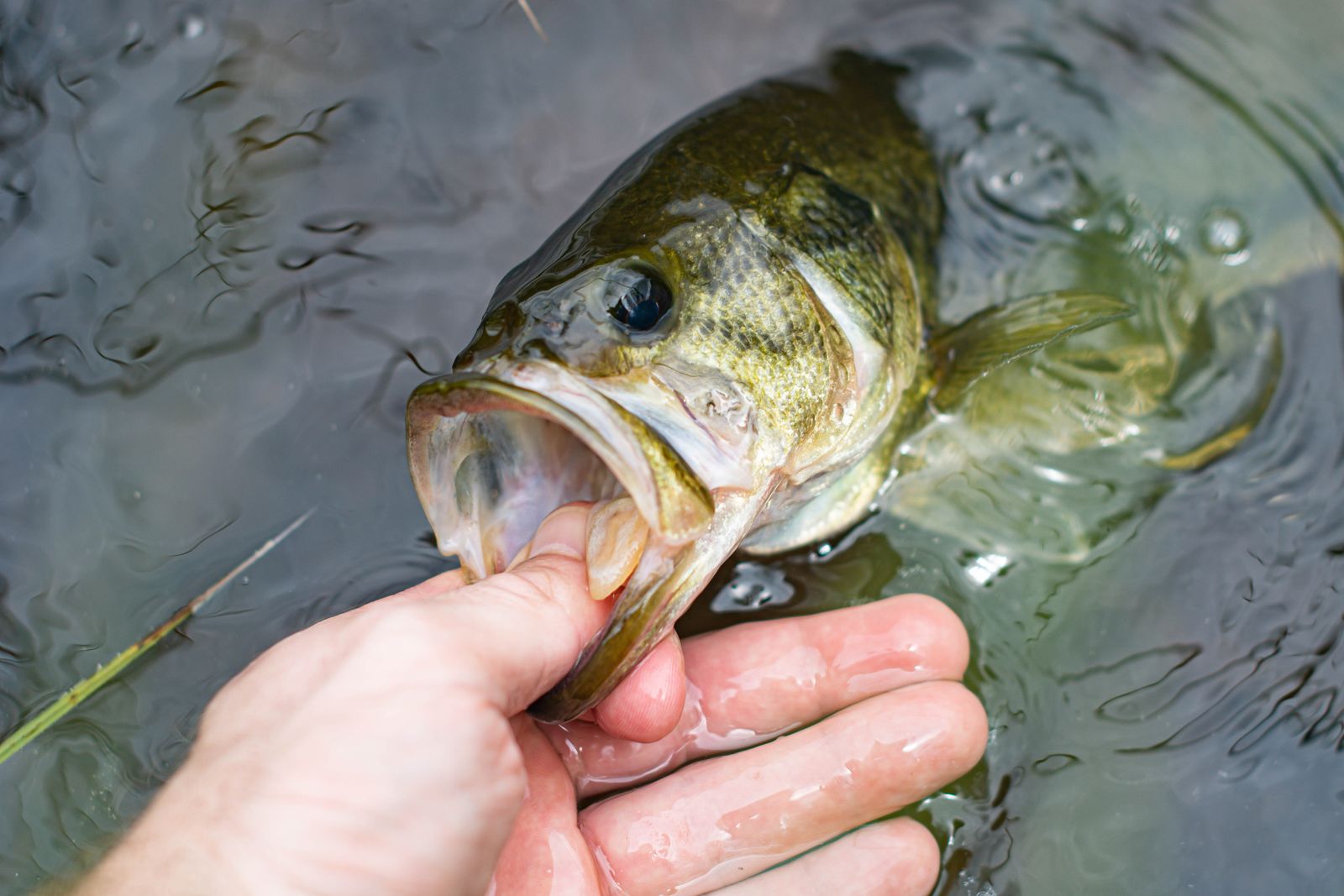
Different fish species have distinct preferences that can guide bait selection. Bass respond well to worms, frogs, and crankbaits, while bluegill typically favor worms and crickets. Catfish are known for their attraction to chicken liver and specialized stink baits, whereas trout often bite on PowerBait, flies, and traditional worms.
The choice between natural baits and artificial lures often comes down to the specific fishing situation. Natural baits like worms and crickets provide familiar food sources that many fish find irresistible. Artificial lures, available in countless shapes and colors, can imitate the movement of small prey and often trigger aggressive strikes from predatory fish.
**The Learning Process**
Mastering freshwater fishing techniques takes time and practice, but the fundamentals are accessible to beginners. Proper casting technique involves holding the rod steady, swinging it back smoothly, and following through with a controlled forward motion.
The growing popularity of lake and reservoir fishing reflects a broader trend toward outdoor recreation that combines skill development with natural experiences. As more people discover the rewards of freshwater angling, these bodies of water continue to serve as both peaceful retreats and exciting venues for sport fishing.
Whether seeking solitude, family recreation, or competitive angling, lakes and reservoirs offer opportunities that appeal to a wide range of interests and skill levels, ensuring their continued popularity among fishing enthusiasts.