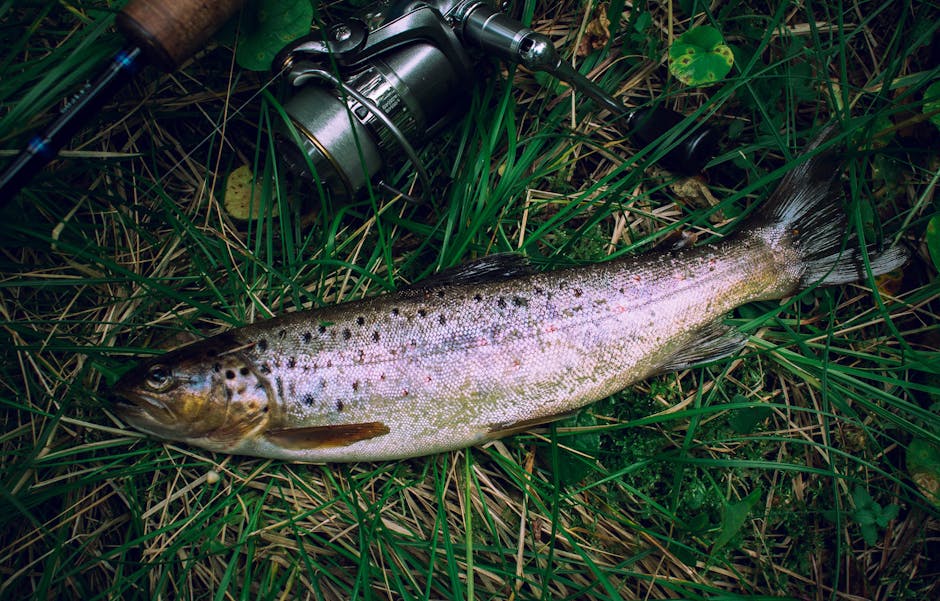
As freshwater fishing experiences a surge in popularity worldwide, anglers are increasingly turning to Brown Trout as their quarry of choice, drawn by the species' reputation for providing both beauty and fierce resistance on the line.
Known scientifically as Salmo trutta, Brown Trout have earned acclaim among fishing enthusiasts for their elusive nature and dynamic fighting ability. "Brown Trout are not only beautiful but also incredibly dynamic," said noted fishing guide Ellis Ward. "Their ability to adapt to different environments makes them a thrilling catch."
"Brown Trout are not only beautiful but also incredibly dynamic,"

The species presents unique identification challenges that often perplex newcomers to the sport. Despite their common name, Brown Trout display a remarkable range of colors from bronze to silver, depending largely on their habitat conditions. This variability can make field identification surprisingly difficult for inexperienced anglers.

"The name is a bit misleading. Brown Trout sometimes look more like their relatives, the Atlantic Salmon," explained a local fishing expert. "You'll often find them displaying brown and orange spots, which makes them unique."
These distinctive brown and orange spots along their sides serve as the primary identifying feature, though anglers must often look beyond surface appearances to confirm their catch. The challenge becomes particularly acute in waters where multiple trout species coexist.

The close genetic relationship between Brown Trout and Atlantic Salmon creates additional identification hurdles, as the two species share numerous visual similarities. However, experienced anglers have developed reliable methods for distinguishing between these formidable fish.
"For instance, the upper jaw of a salmon won't extend past the eye as it does on a Brown Trout," noted a seasoned angler familiar with both species. "And if you pay attention to their fins, the differences are quite noticeable."
"For instance, the upper jaw of a salmon won't extend past the eye as it does on a Brown Trout,"
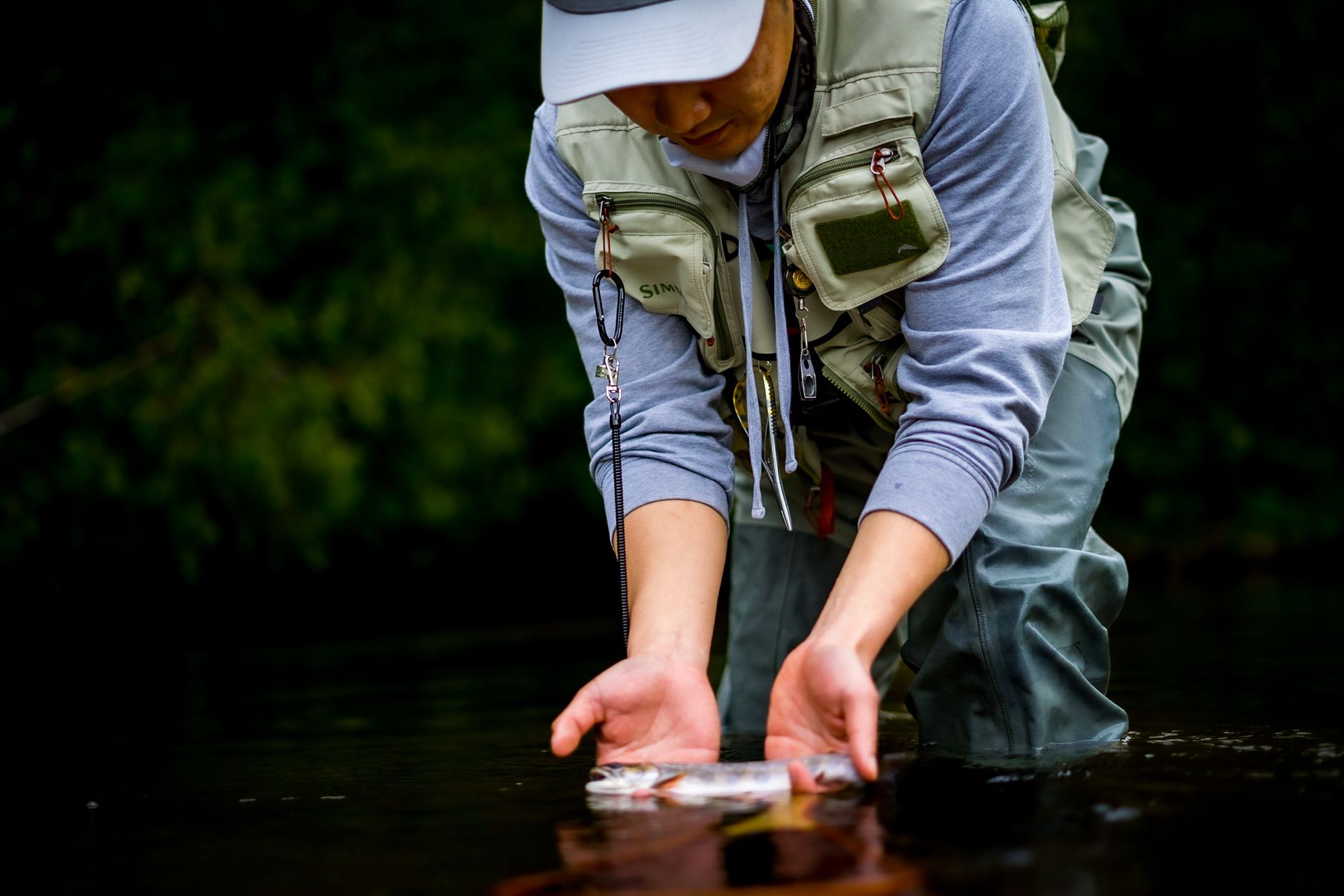
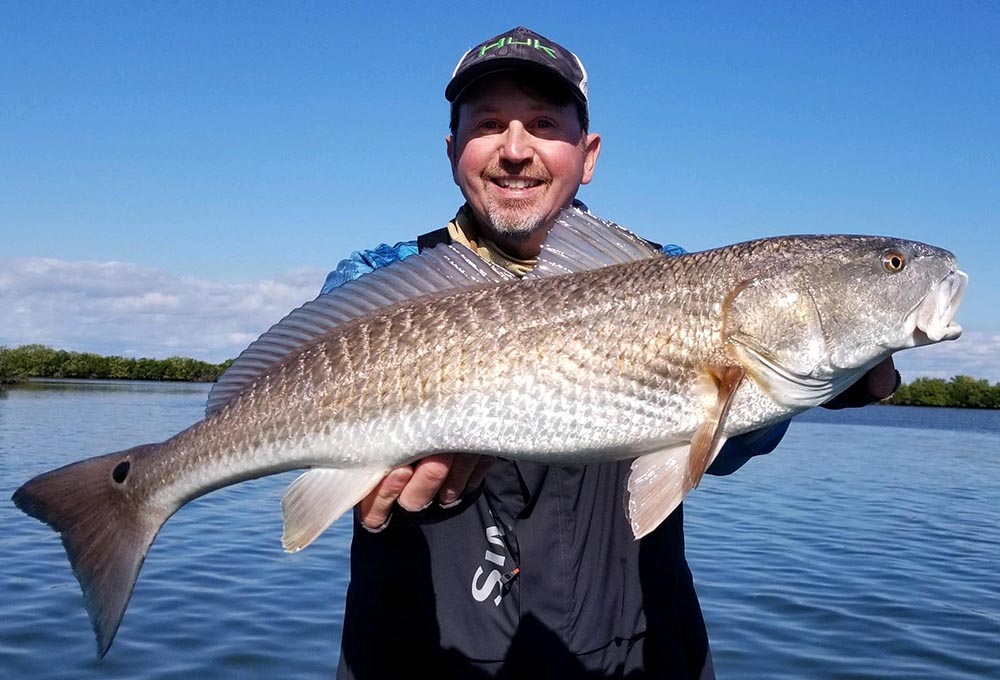
Anatomical differences provide the most reliable identification markers. Brown Trout feature a rounded adipose fin displaying shades of orange or red, while Atlantic Salmon sport a square fin that appears notably darker. These subtle but consistent differences prove invaluable for anglers fishing in mixed waters.
"These small details can help anglers confirm their catch, especially in mixed waters," mentioned a local fisheries biologist.
"These small details can help anglers confirm their catch, especially in mixed waters,"
For those seeking prime Brown Trout fishing destinations, several locations have earned reputations as premier fishing grounds. The White River in Arkansas stands out as perhaps the most celebrated spot, earning the nickname "Trout Capital of the USA."
"Cotter is an incredible fishing town known for its abundant Brown Trout population. You can expect to see average sizes between 19 and 22 inches, with some specimens exceeding 30 inches," said a fishing guide familiar with the area.
The species' global distribution reflects one of conservation's success stories. Originally native to parts of Europe and West Asia, Brown Trout have been successfully introduced to diverse environments worldwide, from European streams to North American lakes and rivers. This adaptability has made them accessible to anglers across multiple continents.
"They've been brought to many regions, and thankfully, their presence often enhances the sport fishing experience," an environmental advocate noted.
"They've been brought to many regions, and thankfully, their presence often enhances the sport fishing experience,"
The successful introduction of Brown Trout to non-native waters demonstrates the species' remarkable environmental adaptability. Unlike some introduced species that struggle in new ecosystems, Brown Trout have thrived in their adopted homes, often becoming cornerstone species for local sport fishing industries.
Understanding Brown Trout behavior and characteristics significantly improves an angler's success rate. These fish require patience, skill, and strategic thinking, as their reputation for being elusive is well-earned. Each encounter offers valuable lessons in both fishing technique and natural observation.
The pursuit of Brown Trout also provides opportunities for anglers to develop deeper appreciation for aquatic ecosystems. Their presence often indicates healthy water conditions, making them valuable indicator species for environmental health.
Looking Ahead
As fishing techniques continue evolving and conservation efforts expand, aspiring Brown Trout anglers face new opportunities and responsibilities. Understanding local regulations and embracing ethical fishing practices becomes increasingly important for maintaining healthy fish populations and preserving fishing opportunities for future generations.
The growing popularity of Brown Trout fishing reflects broader trends in recreational angling, where challengers seek more engaging and rewarding experiences. As 2025 progresses, the pursuit of these magnificent fish continues attracting anglers worldwide, contributing to local economies while fostering connections between people and natural environments.
For both novice and experienced anglers, Brown Trout represent the perfect combination of accessibility and challenge, offering fishing experiences that range from peaceful contemplation to heart-pounding excitement when a large specimen takes the bait.