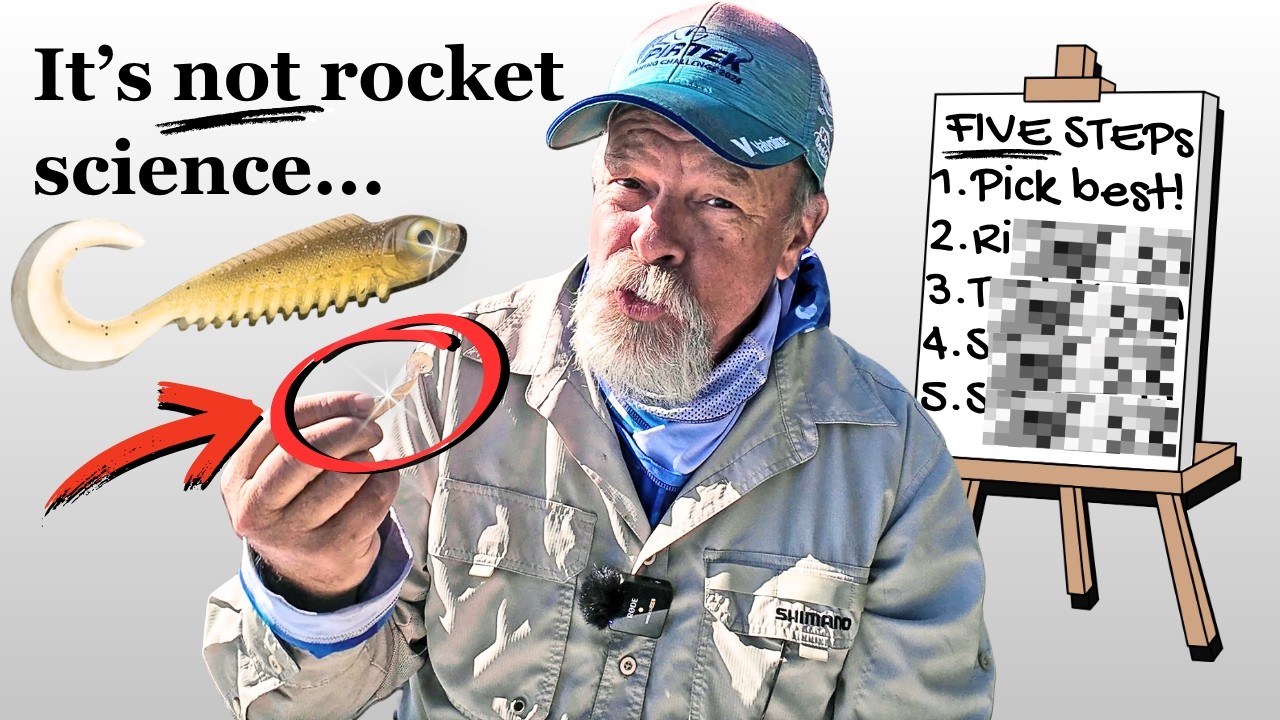
Steve 'Starlo' Starling has spent more than thirty years putting Australian anglers onto soft plastics. In a tutorial uploaded five days ago, he reduced his entire framework to five steps and a bonus, and the package is clean enough that even committed bait fishermen could read it as a starter checklist.
"What about if I was to tell you that you could take five easy steps that would double your success rate when you're using soft plastics," Starlo opens. "I'm serious. Stick with me for the next 10 minutes or so and I'll run you through those five steps and I'll also give you a bonus sixth one that I reckon will elevate your soft plastic fishing to the next level."
Step one is gear. Starlo's argument is that the price barrier has effectively collapsed - a couple of hundred dollars buys a smooth spin reel, a sensitive graphite or composite rod and a spool of line capable of fishing big bream, flathead, snapper, mulloway, trout or bass on plastics.
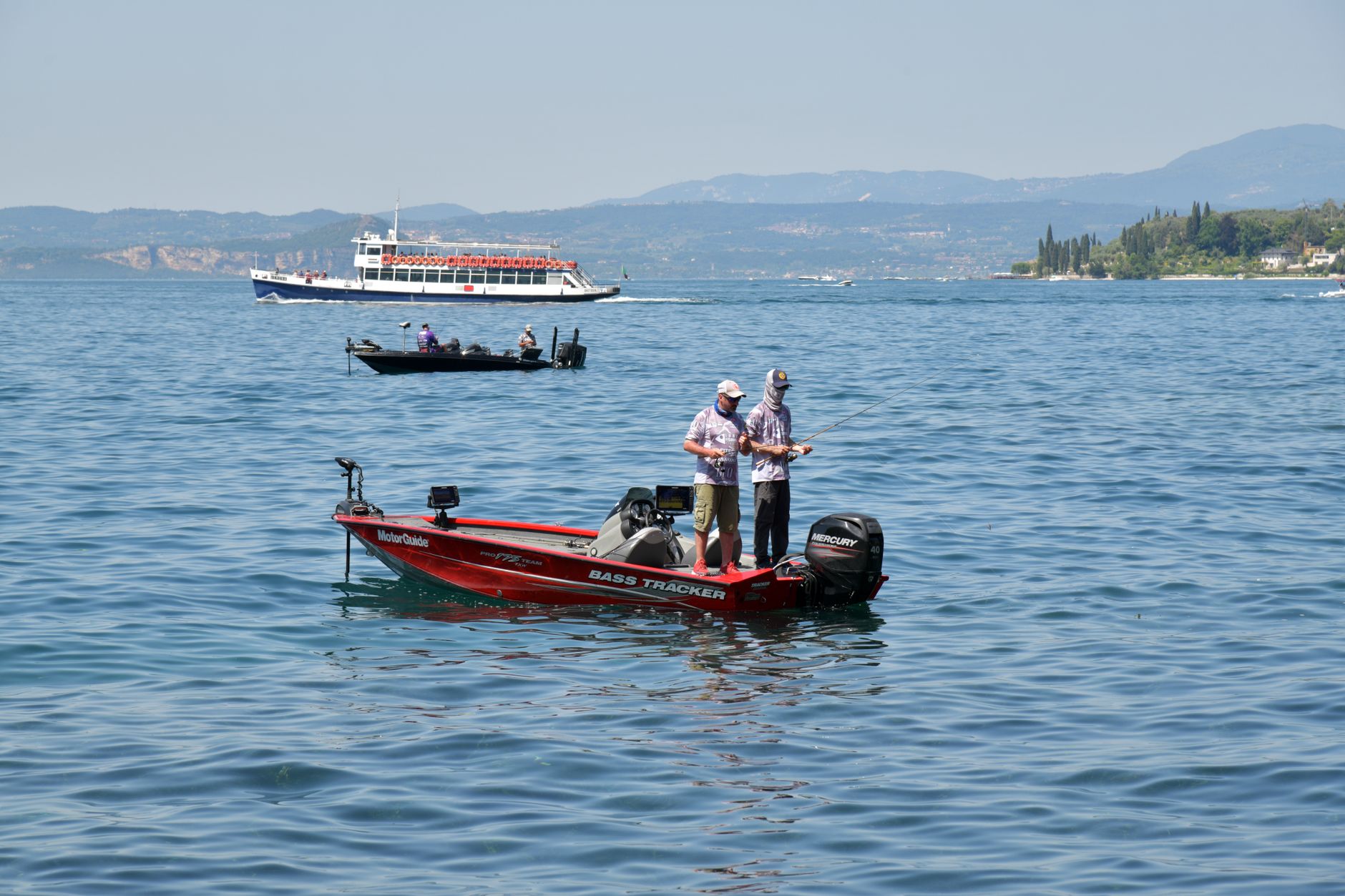
"Today's spin reels are much more sophisticated than their predecessors," he said, "and modern graphite or composite rods offer a level of feel that we could only have dreamt of when I was learning to fish."
On line he is unequivocal. Braided polyethylene transformed finesse fishing and the gap to monofilament is, in his view, large enough to recommend a second attempt to anyone who has tried braid and given up.
"It's no secret that I believe braided polyethylene line has completely transformed our finesse fishing, especially with lures such as soft plastics," he said. "I'd find it really hard to go back to mono in most scenarios."
Step two is rigging. Starlo wants the plastic measured against the jig head, the exit point marked, the body threaded straight, the tail unkinked and the hook point exposed cleanly out the back. The cost is seconds. The benefit, he insists, is the difference between a presentation that swims and one that flatlines.
Step three is the test swim. Every plastic gets dropped beside the boat or off the bank in clear water, watched on straight retrieves, on hops, on the drop and on the bottom. Anglers who fish dirty water are advised to take their plastics to a swimming pool to spend an hour observing them.
"Take a heap of plastics and jig heads to a swimming pool somewhere and spend an hour or two doing this stuff," Starlo said. "I absolutely guarantee it'll give you a much clearer understanding of how your lures look in the water and how best to work them. And that knowledge will improve your catch rate, I promise."
Step four is the most important and the most violated. Slow down. Plastics, in Starlo's repeated experience, do their convincing work at retrieve speeds slower than most anglers think possible, with stops, exaggerated pauses and rod-tip work rather than reel-handle work providing the action.
"As I like to say, it's not rocket science," he said. "Soft plastics do their best and most convincing work in the vast majority of scenarios when you fish them slow, often much slower than people realise."

The overlooked corollary of slow retrieves is line watching. Many takes register only as a tick in the belly of slack line between rod tip and water surface, hard to read in current or wind, but the difference between a hookup and a stripped tail.
Step five is the hook set. The mistake Starlo sees most often is the tentative lift, the rod tip raised an inch while the angler asks himself whether the bite was real. By the time the question is answered, the fish is gone.
"Set the hook," he said. "You don't have to go over the top and break their neck and cross their eyes, but set that hook. Make a good, solid, positive hook set. Get a bend in the rod and there's a lot better chance that the fish will stay on."
The bonus sixth step is a paid one. Starlo points viewers to his soft plastics course, hosted at his own site, as the deeper-dive option for anglers who want species-specific guidance and structured progression rather than a 10-minute summary.