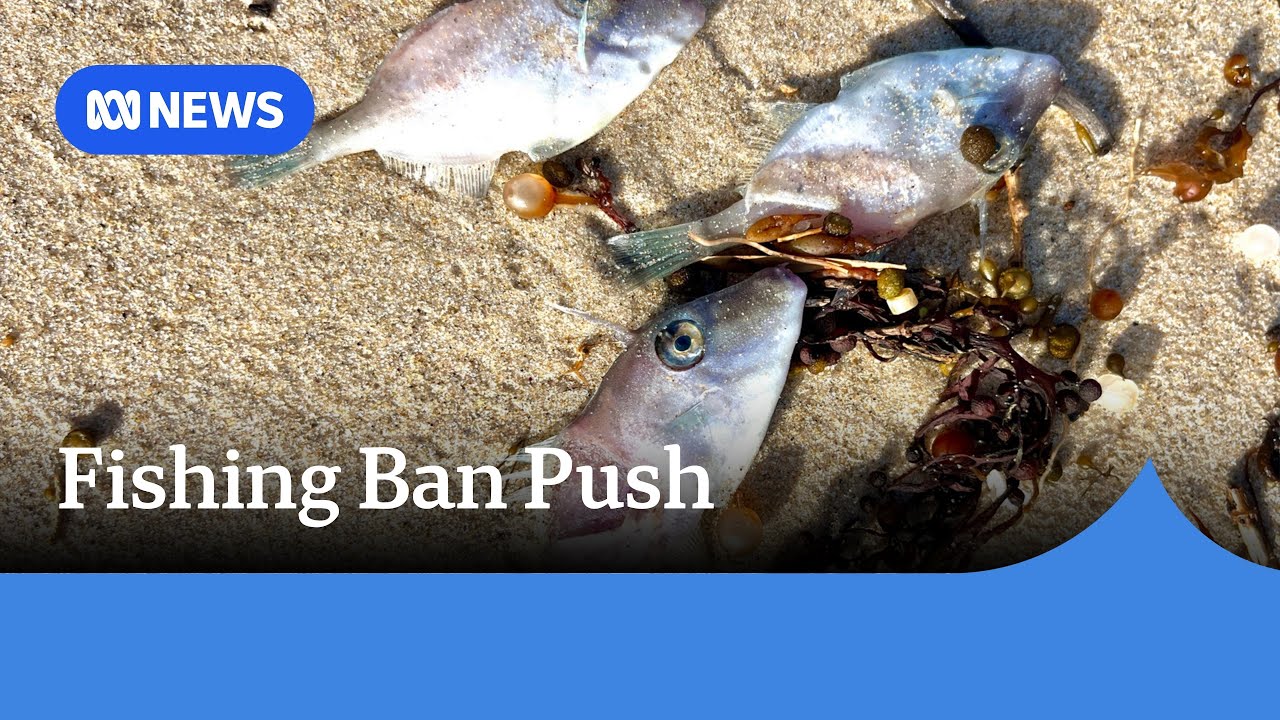
The quiet story in Australian recreational fishing this month is the slow-motion implosion of the Spencer Gulf ecosystem, and it is one that every South Australian angler needs to understand heading into winter.
The trigger, still working through the system, is the harmful algal bloom that first forced the state government to temporarily slash recreational bag limits in Spencer Gulf and Gulf St Vincent from 1 November 2025. Seven months later, the bloom is still being detected in previously unaffected parts of the gulf, and commercial and recreational fishers are now reporting cascading impacts across multiple species.
The most dramatic is the disappearance of Octopus pallidus, the pale octopus. ABC News reported on 19 April 2026 that a commercial fisher in the lower Spencer Gulf says his catch has all but vanished — a species that was once abundant has not been landed in more than a year. Scientists and fishers alike suspect the algal bloom is involved, but the cause has not been formally confirmed. South Australian Research and Development Institute (SARDI) work on the question is ongoing.
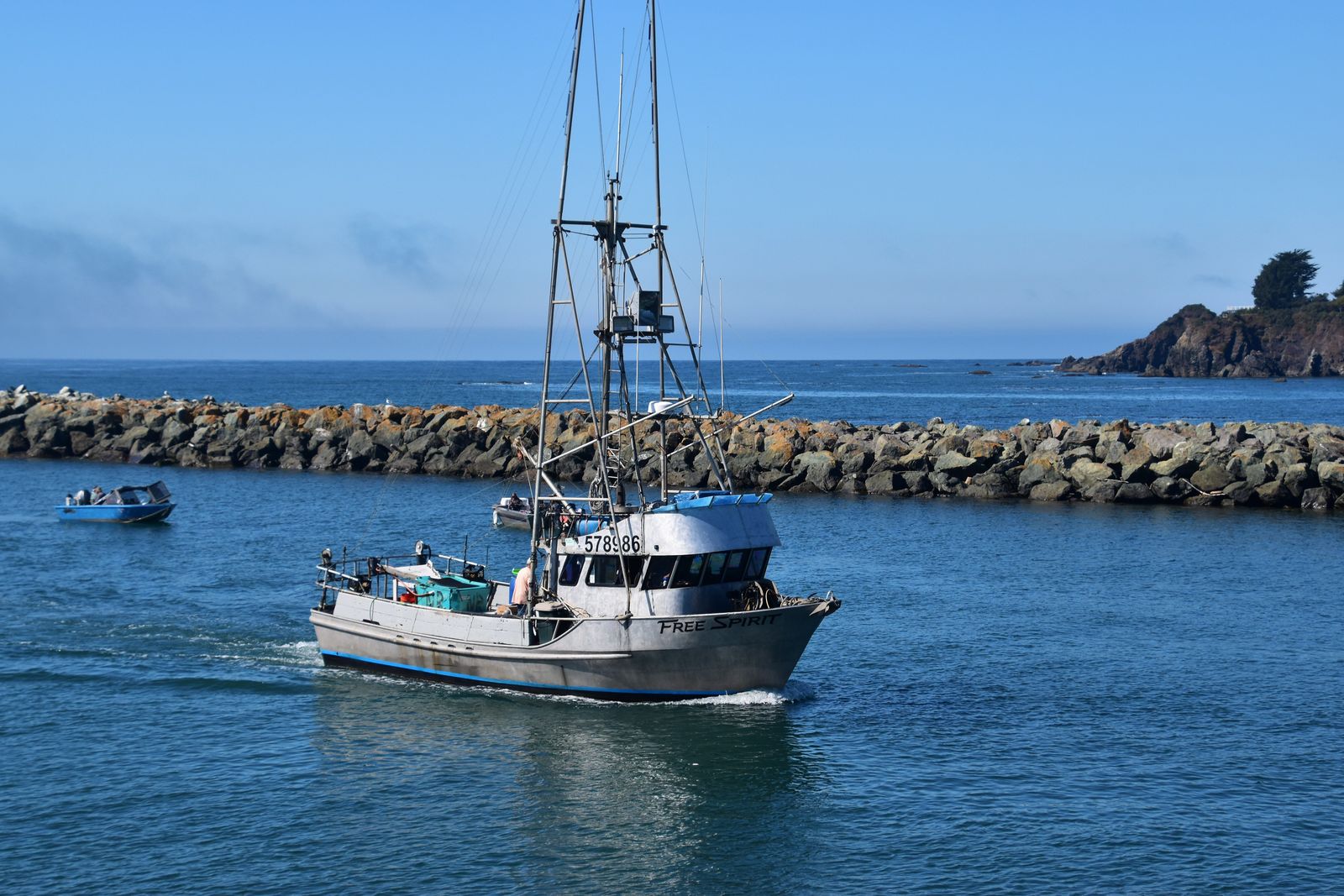
Squid is the other species on the ropes. On 3 April, ABC reported that squid fishers operating on the Spencer Gulf side of the Yorke Peninsula were calling the decline in stock a crisis, with fishers warning that if the water is not given time, the spawning population will not recover. The push for extended closures is being led by RecFish SA.
"There were reports of only small numbers of squid in the Spencer Gulf," RecFish SA executive officer Asher Dezsery told the ABC, pressing for restrictions on certain species to remain in place so stocks can rebuild.
The first tentative good-news signal came just days later. Local SA angler reports in the first week of April recorded the discovery of southern calamari eggs in Spencer Gulf — a potential sign that the remaining breeding population is still spawning. RecFish SA and fishers covering the shore were cautiously optimistic, while still calling for longer-term restrictions.
The government has not stood still. In 2025 a parliamentary committee investigating the algal-bloom response recommended South Australia's next government consider a commercial fishery licence buyback for the hardest-hit operators. The Primary Industries and Regions SA (PIRSA) office has also reinstated full recreational bag, boat and passenger limits for Blue Swimmer Crab and Southern Garfish in Spencer Gulf — a partial rollback of the broader cuts introduced in late 2025.
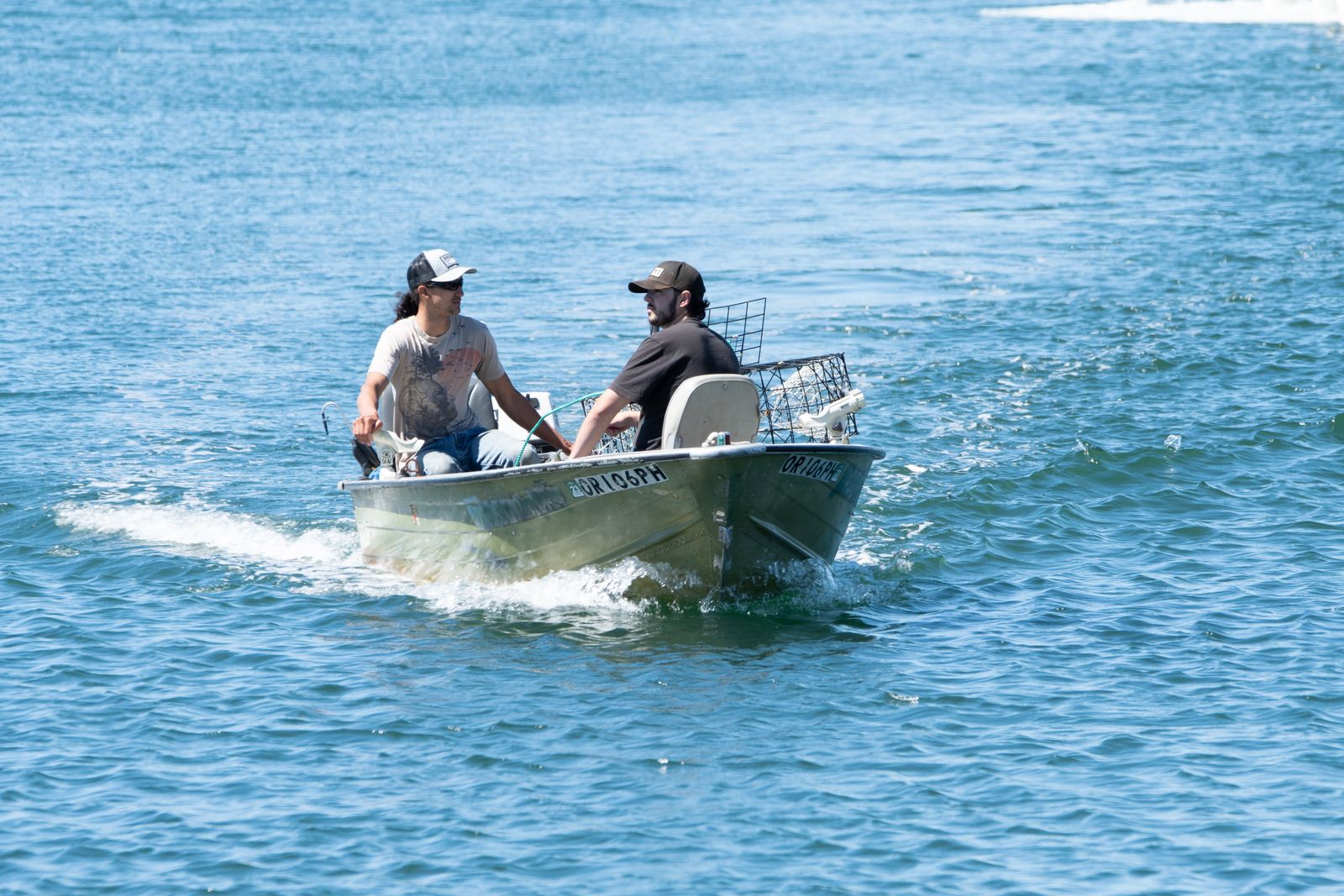
For recreational anglers, that reset means 20 Blue Swimmer Crab per person or 60 per boat, and 30 Southern Garfish per person or 90 per boat, in the Spencer Gulf fishing zone. Other species — notably squid and snapper — remain under tighter limits.
The broader point, made repeatedly in LinkedIn and industry forum discussion, is that SARDI's routine surveys focus on economically important species. Octopus, algae impacts on invertebrates and secondary predators do not necessarily show up until anglers stop catching them.
For fishers planning winter trips to the gulfs, the practical takeaway is simple: check the PIRSA limits page before every trip, and treat Spencer Gulf as an ecosystem still in active triage. The pale octopus is gone. The squid are touch-and-go. And the algal bloom is still moving.