
South Australia's marine life is slowly clawing its way back from one of the worst algal blooms in the state's history, but several of its signature fisheries remain shut as managers err on the side of caution.
A total closure on southern calamari is in force across both Gulf St Vincent and Spencer Gulf, applying to commercial, recreational and charter-boat fishers alike. Garfish are also off-limits to recreational and charter anglers in Gulf St Vincent, where the commercial fishery was already closed. King George whiting — one of the state's most popular eating fish — are under their spawning closure across both gulfs until July 31.
The restrictions come as the Karenia bloom that devastated SA waters from late 2025 finally loses its grip. At its peak, dead marine life was washing up at a staggering rate — around 9,400 kilograms a week in December 2025. By late autumn that figure had collapsed to under 50 kilograms a week, and only one site, Bickers Island off the south-east Eyre Peninsula, was still recording elevated Karenia levels, at 16,490 cells per litre.
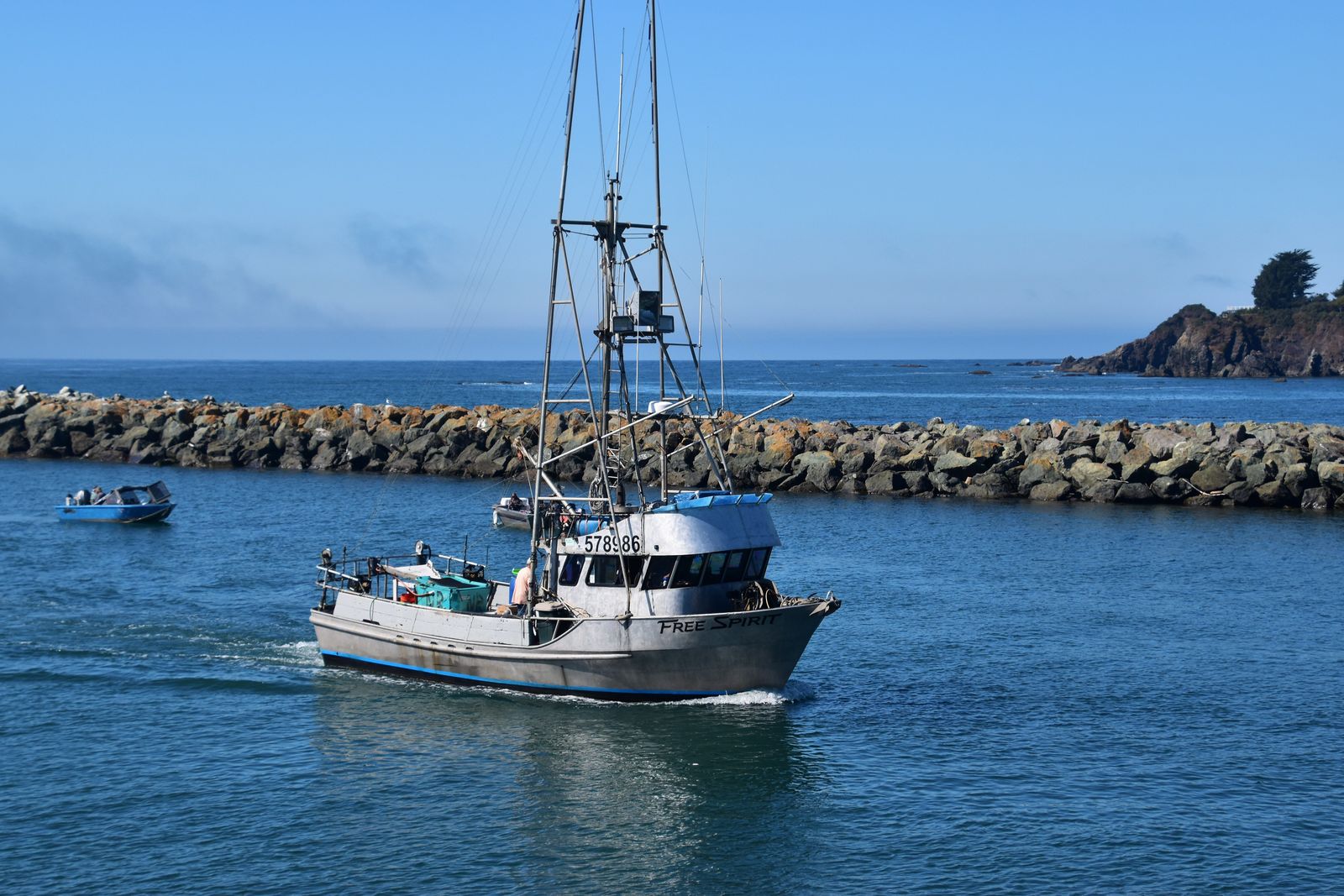
With the bloom in retreat, the state has scaled back its testing regime, shifting from frequent monitoring to monthly testing in areas where the bloom is no longer active.
The state government has pointed to the sustained decline in Karenia as evidence the worst has passed, while the Opposition has warned the toxic algae is still present in South Australian waters. That tension — between a clear improvement in the data and the risk of declaring victory too soon — sits at the heart of every decision managers are now making about when to reopen closed grounds.
Algal blooms like Karenia can strip oxygen from the water and release toxins that kill fish and invertebrates outright, gutting the food chain that recreational species depend on. Closures give battered stocks of calamari, garfish and whiting a chance to spawn and rebuild without the added pressure of fishing, much as a seasonal closure does in a healthier system.
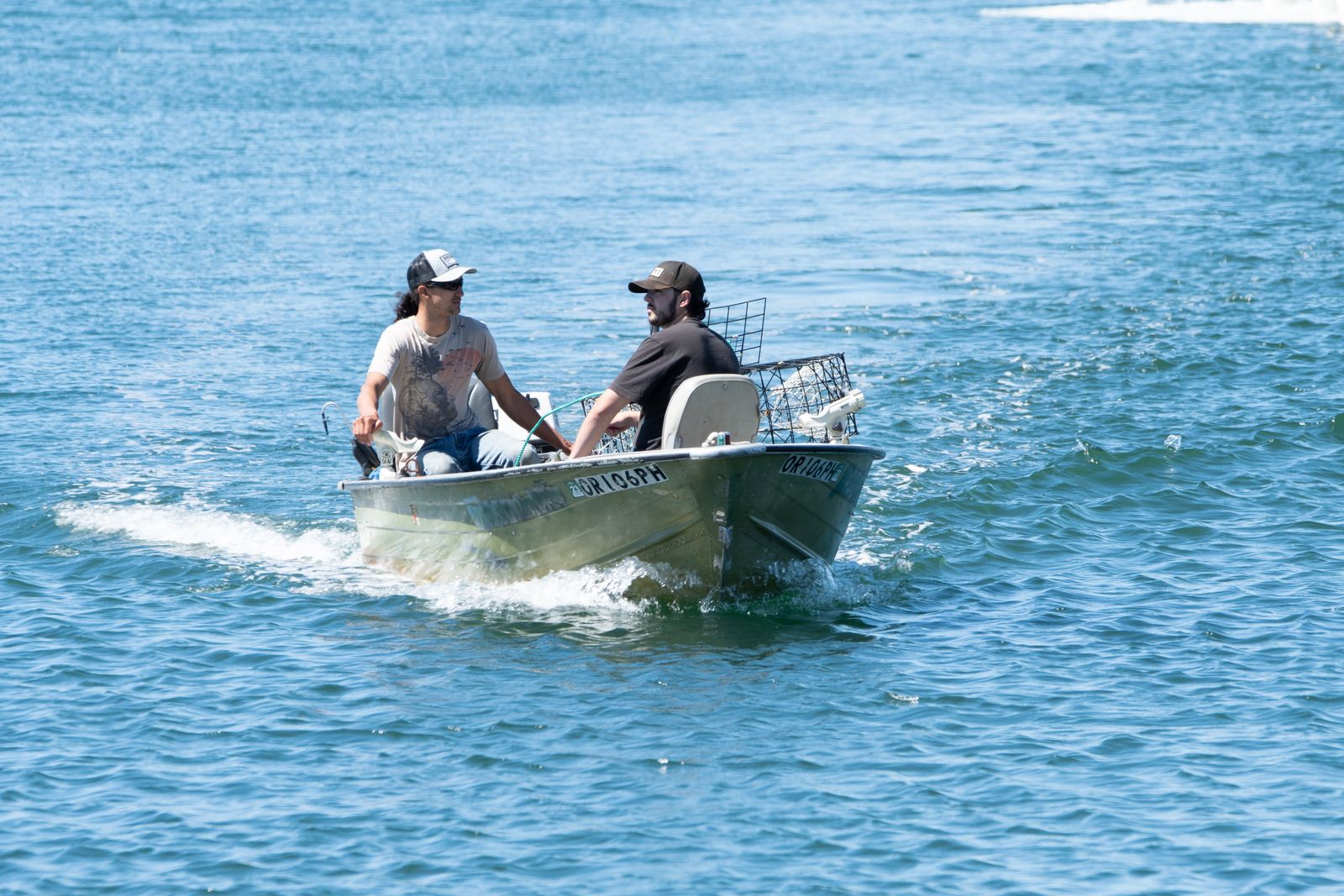
For recreational anglers, the message is mixed. The water is healthier than it has been in months, and the grim daily wash-ups that defined the summer have all but stopped. But several of the state's most-loved species are out of bounds for now, and will stay that way until managers are satisfied the stocks can withstand the pressure. For SA fishers, patience remains the price of a recovery that is well under way but, in the scientists' own words, not yet done.