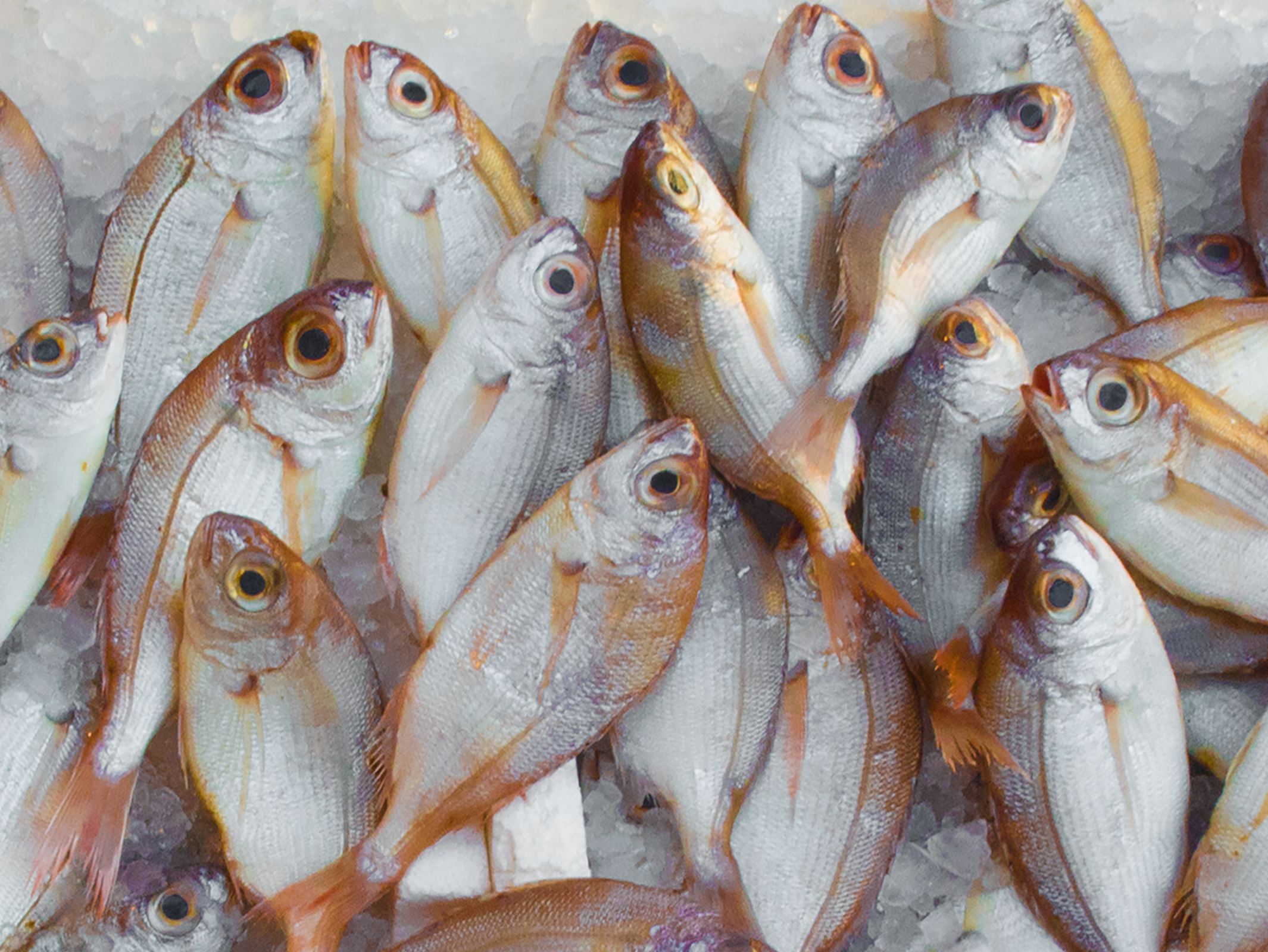
For the first time, Australians eating out can find out where their seafood was caught before they order it. From 1 July 2026, a mandatory country-of-origin labelling scheme covers seafood sold in hospitality venues nationwide — restaurants, cafes, pubs, clubs, hotels, food trucks and market stalls all now have to say whether what they are serving is Australian, imported, or a mix of the two.
The rules use a simple three-letter shorthand known as the AIM model: (A) for Australian, (I) for imported, and (M) for mixed origin. Venues can go further and spell it out — "Australian prawns" or "imported squid" — but the origin has to appear where a customer can see it before ordering, whether that is a printed menu, a chalkboard, a digital menu or a third-party delivery app. Businesses that sell only one origin type can use a single blanket statement instead of tagging every dish.
It is a change the industry has chased for more than 15 years. Around 65 per cent of the seafood eaten in Australia is imported, according to Seafood Industry Australia, yet until now a diner had no reliable way of knowing whether the barramundi on the menu came from the Top End or from an overseas farm.
"Today is an important day for Australia's seafood industry and for Australian consumers," said Dr John Ackerman, chief executive of Seafood Industry Australia. "This achievement belongs to the entire Australian seafood industry."
The scheme was announced in March 2025 and gave businesses a 12-month transition period to prepare. Compliance now falls under Australian Consumer Law, policed by the Australian Competition and Consumer Commission and state regulators. Getting it wrong carries risk even without intent — mislabelling seafood origin, even unintentionally, can be treated as false or misleading conduct, and suppliers are required to pass origin information down the chain to the venues they sell to. A handful of settings are exempt, including schools, hospitals, prisons and fundraising events, along with shelf-stable products such as tinned tuna and anchovies.
For chefs who already lean on local supply, the shift is a chance to make that visible. Jason Staudt, executive chef at Melbourne's Stokehouse — where 95 per cent of the seafood is Australian — called it "a fantastic step in the right direction." As he put it, "Seeing 'Australian' next to a dish shouldn't just signal quality."
Smaller operators see it as a matter of plain honesty. Jose Da Silva, who runs the Sydney fish-and-chip shop Fich, welcomed the transparency. "It's good to show people where our seafood comes from," he said. "Some people lie about it. This way, everyone has to be honest." His verdict on the local product was blunt: "We've got the best seafood in the world."
For recreational anglers and anyone who follows the health of Australia's fisheries, the labelling push lands alongside a broader argument about the value of the domestic catch. Supporters say putting origin on the menu rewards operators who back Australian fishers and gives consumers the information to do the same. The test now is enforcement — and whether diners, armed with three new letters on the menu, actually change what they order.