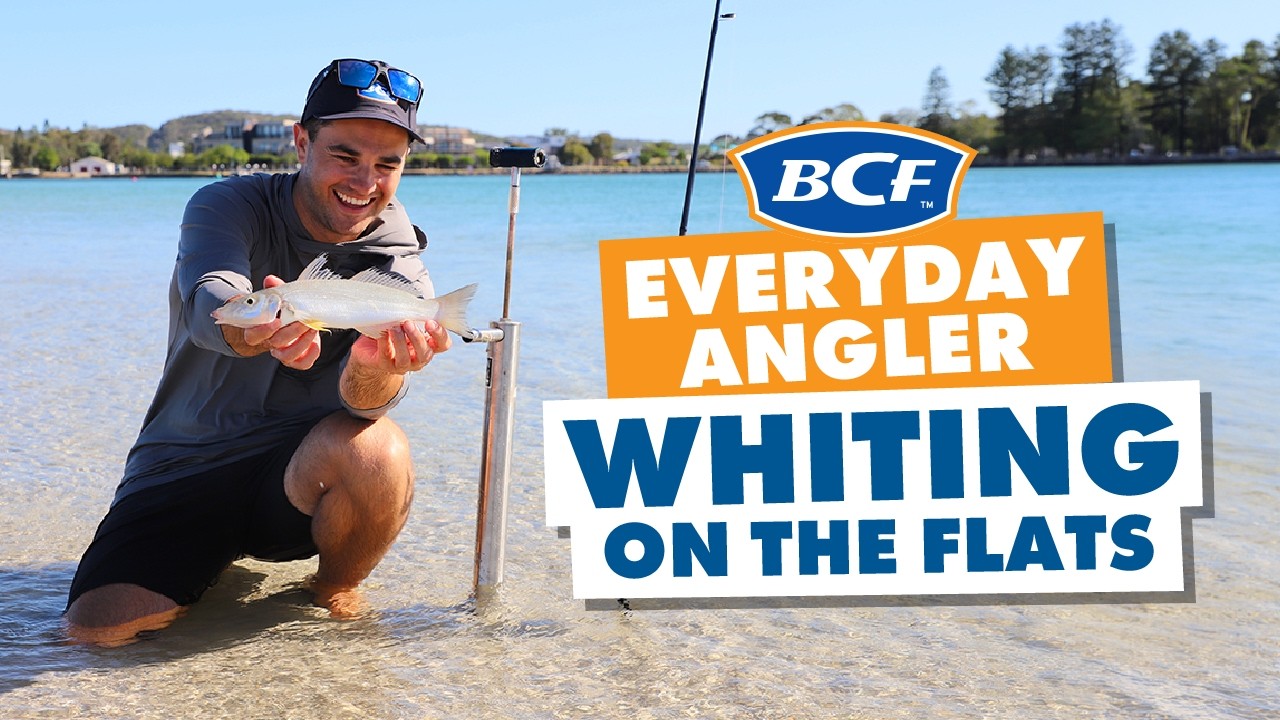
Some of the best fishing costs almost nothing, and on an estuary sand flat the Everyday Angler set out to prove it. "Guess how much it cost me? Donuts," host Jono said of his bait, which he pumped himself rather than buying. The plan was simple from start to finish: collect nippers, drift them for sand whiting on ultra-light line, and cook the catch on the bank.
Bait collection came first. Working a yabby pump across the flats, Jono extracted nippers hole by hole and sieved them into a floating, pool-noodle-rigged basket that kept them alive beside him. He was chasing about 20. "You might go four or five holes without getting anything, and then you'll get one hole with lots," he said. The logic is that the bait already lives where the fish feed. "They live up on the flats in the first place. We're matching the hatch."
He kept hammering the point that anyone can do this. He had simply driven to a public wharf and walked out, with no boat, kayak or four-wheel drive involved. "There's plenty of things that we can do as everyday anglers where you don't need a fancy boat or kayak," he said. "And this is one of them."
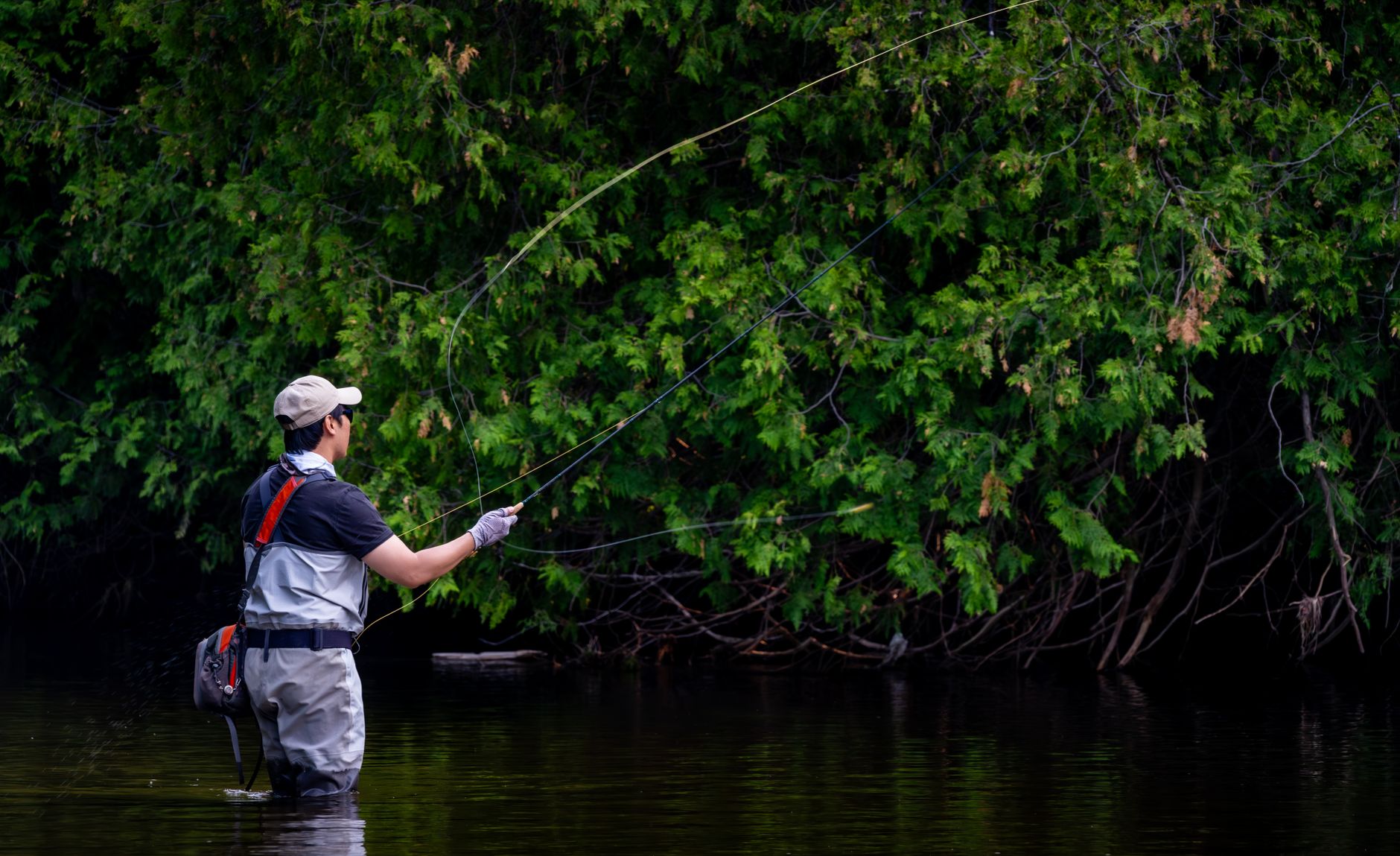
The rig matched the philosophy: a light running sinker, a small swivel and 4 lb fluorocarbon, the lightest line on the shop shelf, to a small hook. That choice is dictated by the quarry. Sand whiting, Jono explained, "live in crystal-clear water on these shallow flats, and they are hawks of the flats. They see everything." He lightly pinned a single nipper, flicked it into the run-in tide, left the bail open and let it drift naturally, resisting the urge to strike early.
The approach delivered a couple of yellowfin whiting, which he rates among "the tastiest critters" and kept in a water-suspended bag to stay fresh. A barely legal yellowfin bream went back. "I'm not a fan of keeping them at all. They're very slow growing," he said. When a north-easterly came up after about 90 minutes, he called it, untroubled by the short outing. "Not every fishing session needs to be five or six hours out on the water," he said.
The cook was as relaxed as the fishing. A compact camp stove that lives in the back of his vehicle handled thin-sliced potatoes and fresh whiting fillets at the water's edge. His only real tip was not to overcook it. "A lot of people get scared about cooking seafood. They cook it for too long thinking it's like chicken," he said, reckoning a thin whiting fillet takes roughly a minute a side over high heat.
Best of all, he noted, the template works almost anywhere there is a flat, from south-east Queensland down to Victoria and South Australia, for whiting, bream and flathead alike, and it slots neatly into a couple of free hours after work. "You can get out here and have fun just like this, and it's super accessible."