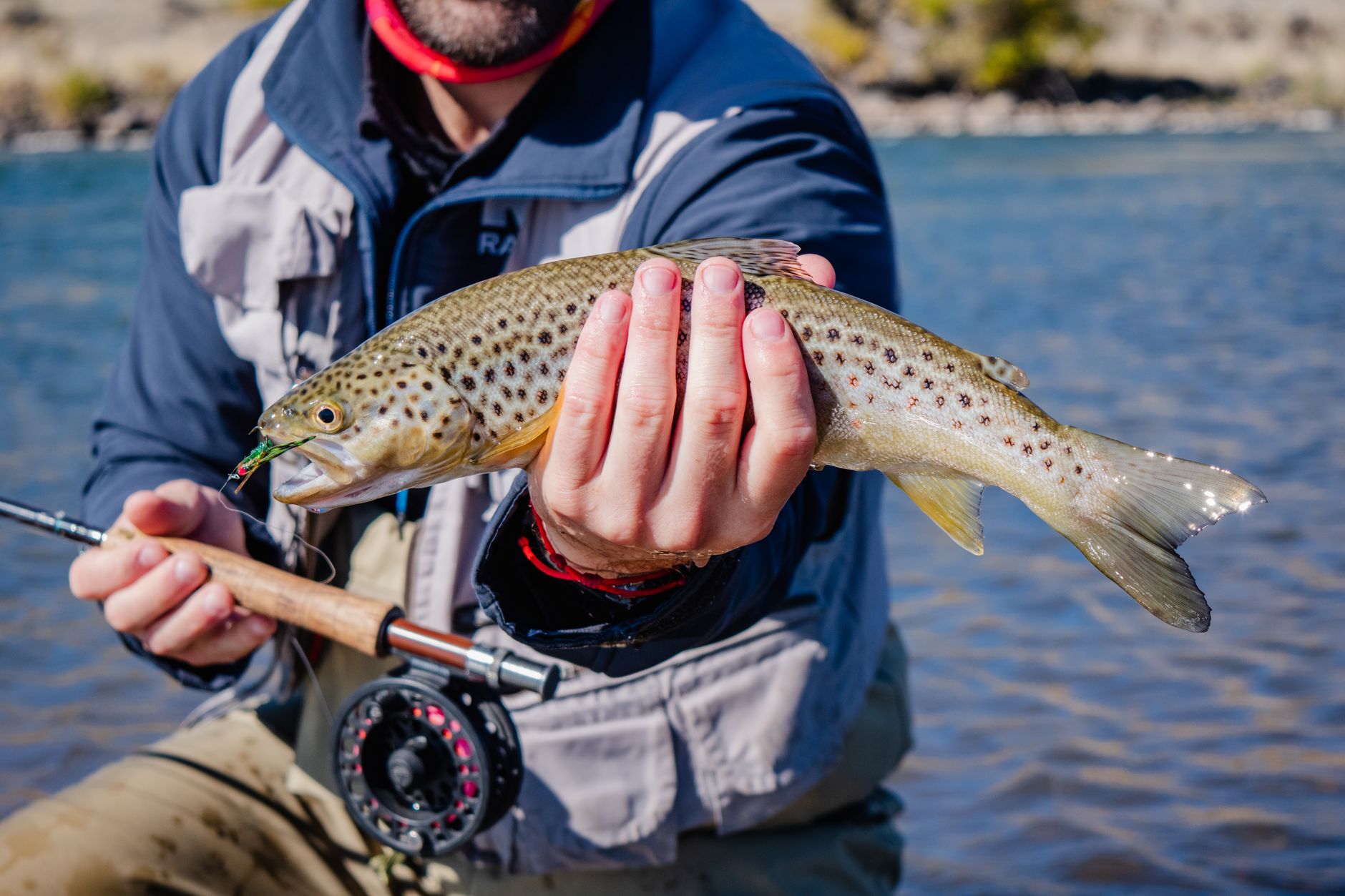
Ryder Humphries holds two bull trout world records, and he would rather talk about almost anything else. The Canmore, Alberta, teenager set both marks on the Bow River last November — and to hear him tell it, the certificates are an afterthought to the years of obsession behind them.
"The fish was the easiest part," said Humphries, now 17.
The records themselves are striking enough. Over five days, the then-16-year-old landed two bull trout each measuring about 70 centimetres, or 27.5 inches. The International Game Fish Association (IGFA) recognised the November 2 fish as the junior all-tackle length world record and the November 7 fish as the conventional all-tackle length world record.
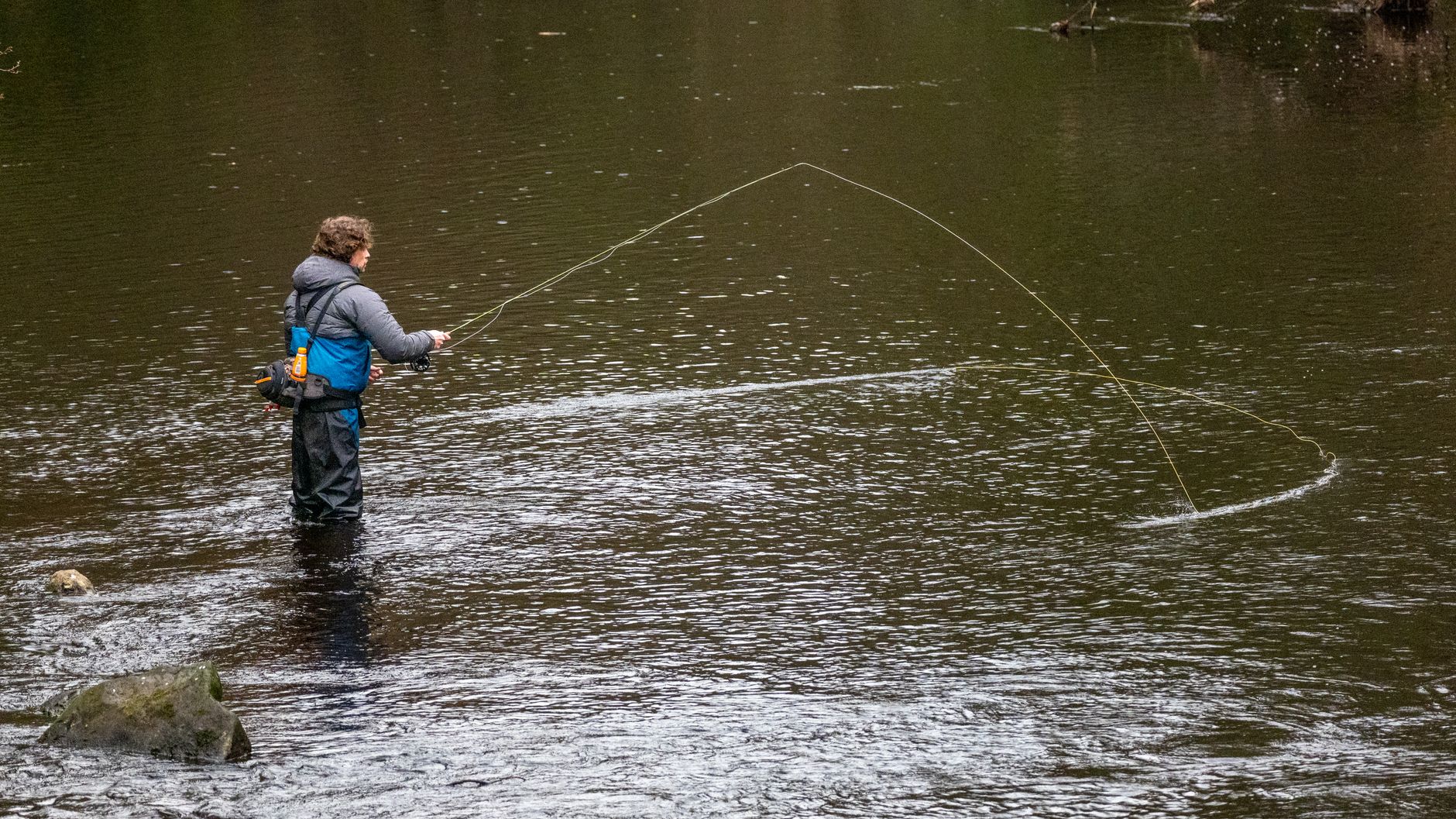
Logan Exton, the IGFA's angler recognition coordinator, said the youth-record fish came on a pink grub fished on a jig head, while the overall length record fell to a Krocodile Spoon in a rainbow-trout pattern. Both were caught on conventional tackle, which keeps them separate from the fly-caught length record — a 31.8-inch bull trout taken by Bo Nelson at Fernie, British Columbia, in 2011. Humphries caught and released both of his fish.
What he wants understood is that none of it was luck. "This wasn't some random event," he said. "I planned this for months and months prior because I've caught around 30 bull trout out of this river that would actually be longer than what I've submitted for these records." He started hunting record-eligible fish in October, built around the Bow River's fall bull trout run.
"My potential hasn't been reached. I believe it will be a totally different level for me if I can actually display my potential rather than just trophy fish for the records," he said.
The reason those bigger fish never count comes down to paperwork and protocol. "You have to be able to prove it on a world stage. If you catch a 96-centimetre bull trout two years ago, that will never be a record. You have to be ready to submit before you ever get the fish," Humphries said. "I've caught 10 to 20 bull trout bigger than my records. But you never hear about those ones because I didn't do the work to get them certified."
Bull trout raise the difficulty further. The species is threatened across much of its North American range, hit hard by development and warming water, and its protected status tightens the rules for any record claim. "Because they're a threatened species, the standards to certify a record are much more difficult," he said.
Recognition has come with a downside — online skepticism, criticism, even threats. Humphries says he is fine with the challenge, as long as it happens on the water.
"If people think they can challenge it, I'm happy for them to," he said. "I encourage people to go out and break it instead of sitting on their couch typing about it."
A fifth-generation Canmore local, Humphries traces his fishing back to a great-grandfather who worked the same valley more than a hundred years ago. Away from the river, he pours hours into the science of his quarry.
"I do three-hours plus a day of aquatic ecology work. Understanding species, seasonal switches, behaviour," he said. "The preparation is mostly about documenting fish properly while keeping them safe and respecting conservation."