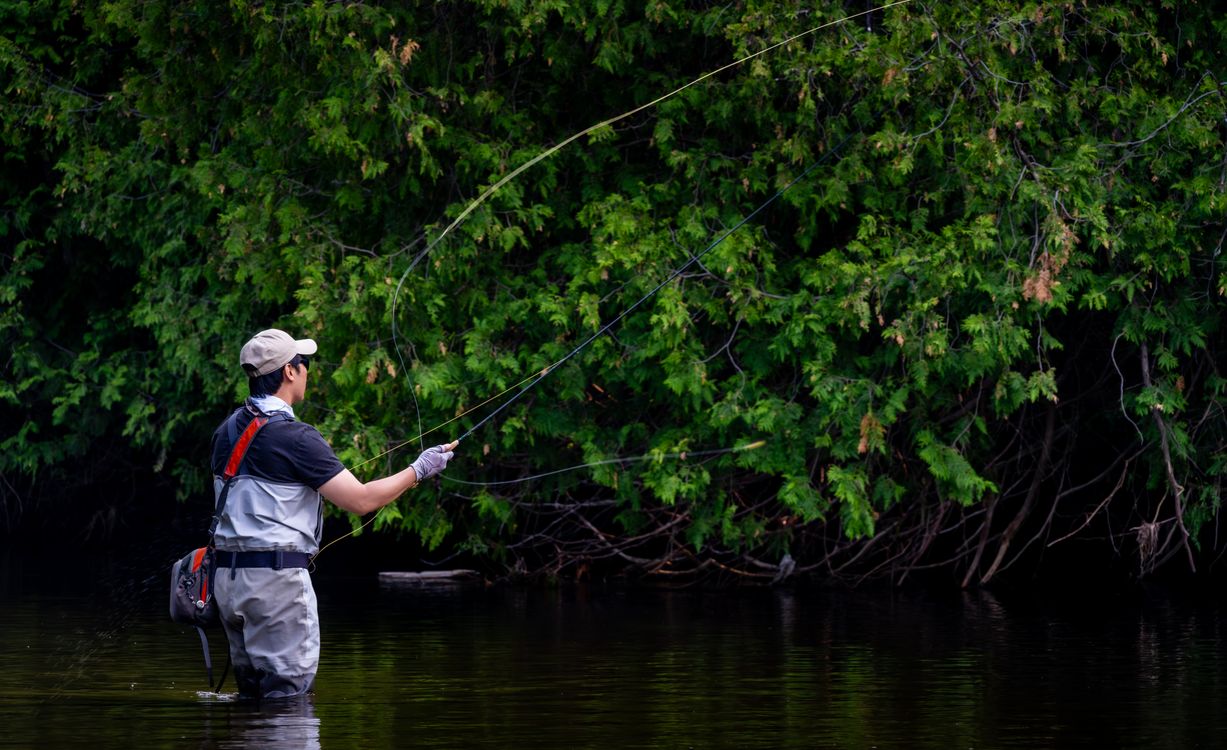
Oregon anglers are facing a question they never expected to confront: whether casting a line could one day be treated as a crime.
A ballot initiative known as Initiative Petition 28 — branded by its sponsors as the "PEACE Act" — cleared a major hurdle in early July when organizers submitted roughly 140,000 signatures to the Secretary of State, comfortably above what a statutory measure needs to qualify. If enough are validated before the state's early-August deadline, the measure goes to Oregon voters in November.
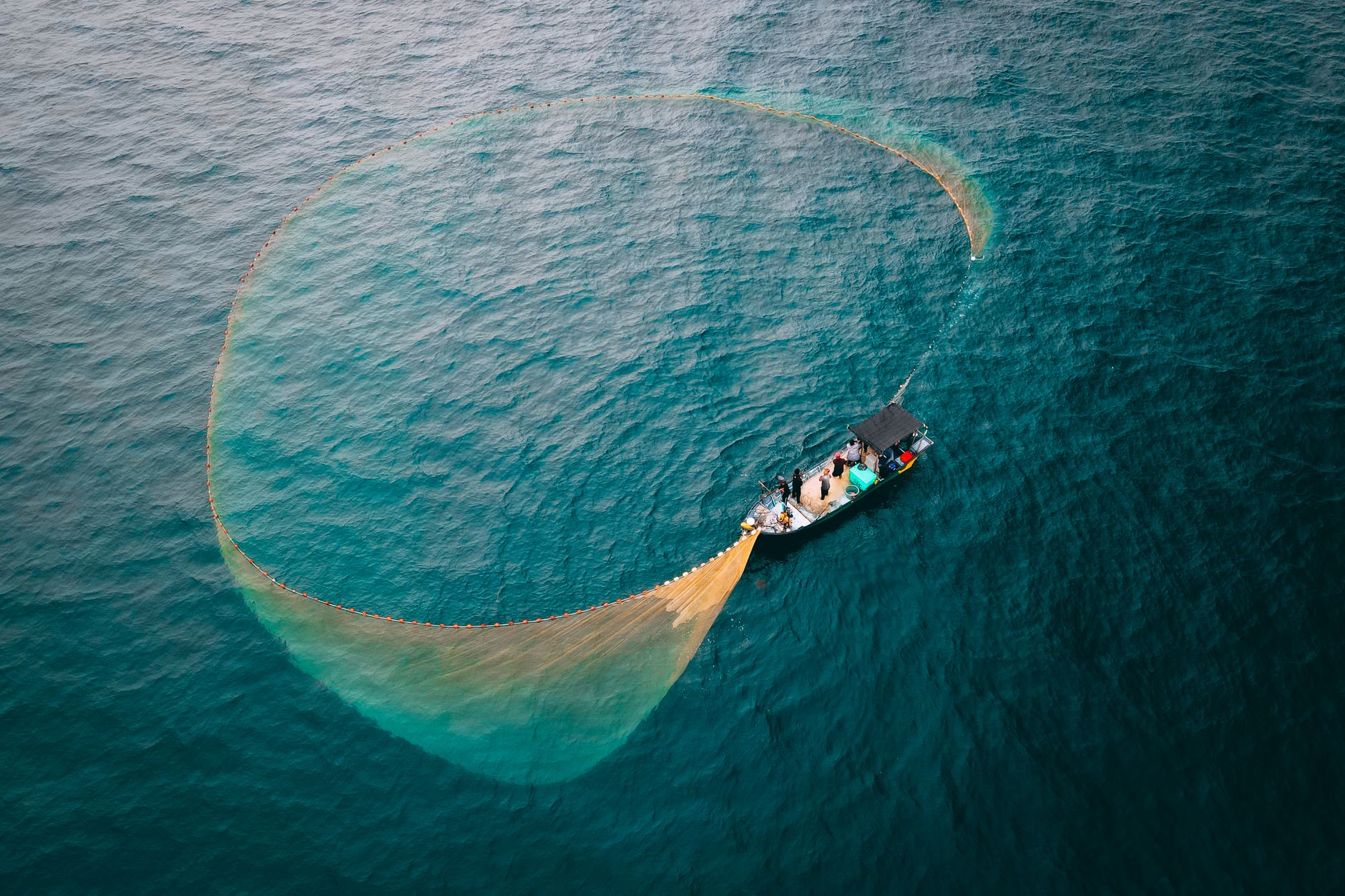
What it would do is sweeping. The petition removes the long-standing exemptions in Oregon's animal-cruelty statutes that currently protect hunting, fishing, trapping, ranching and slaughter. It also redefines "animal" to include any nonhuman mammal, bird, reptile, amphibian — or fish. Strip out the exemption, and a hooked fish becomes, in the eyes of the law, an animal that a person has intentionally harmed.
"We're asking, let's make the default option not kill animals," chief petitioner David Michelson said.
Even supporters seem to know the odds. Oregon Public Broadcasting reported that the measure's own backers expect it to fail at the ballot box. That has not calmed the industries in its path.
Todd Adkins, executive director of the Oregon Hunters Association, said the proposal has rattled the state. "This extreme proposal is causing a lot of heartburn for a lot of folks across the state of Oregon," he said. "Commercial fishing is gone. Ranching is gone. It would literally flip this state on its head. It would change everything overnight."
The alarm reaches beyond the water. Meinert Wachsmuth, who owns Portland's historic Dan & Louis Oyster Bar, said the fallout would hit businesses built on Oregon's seafood. "The business implications are definitely going to be challenging if that were to pass," he said.
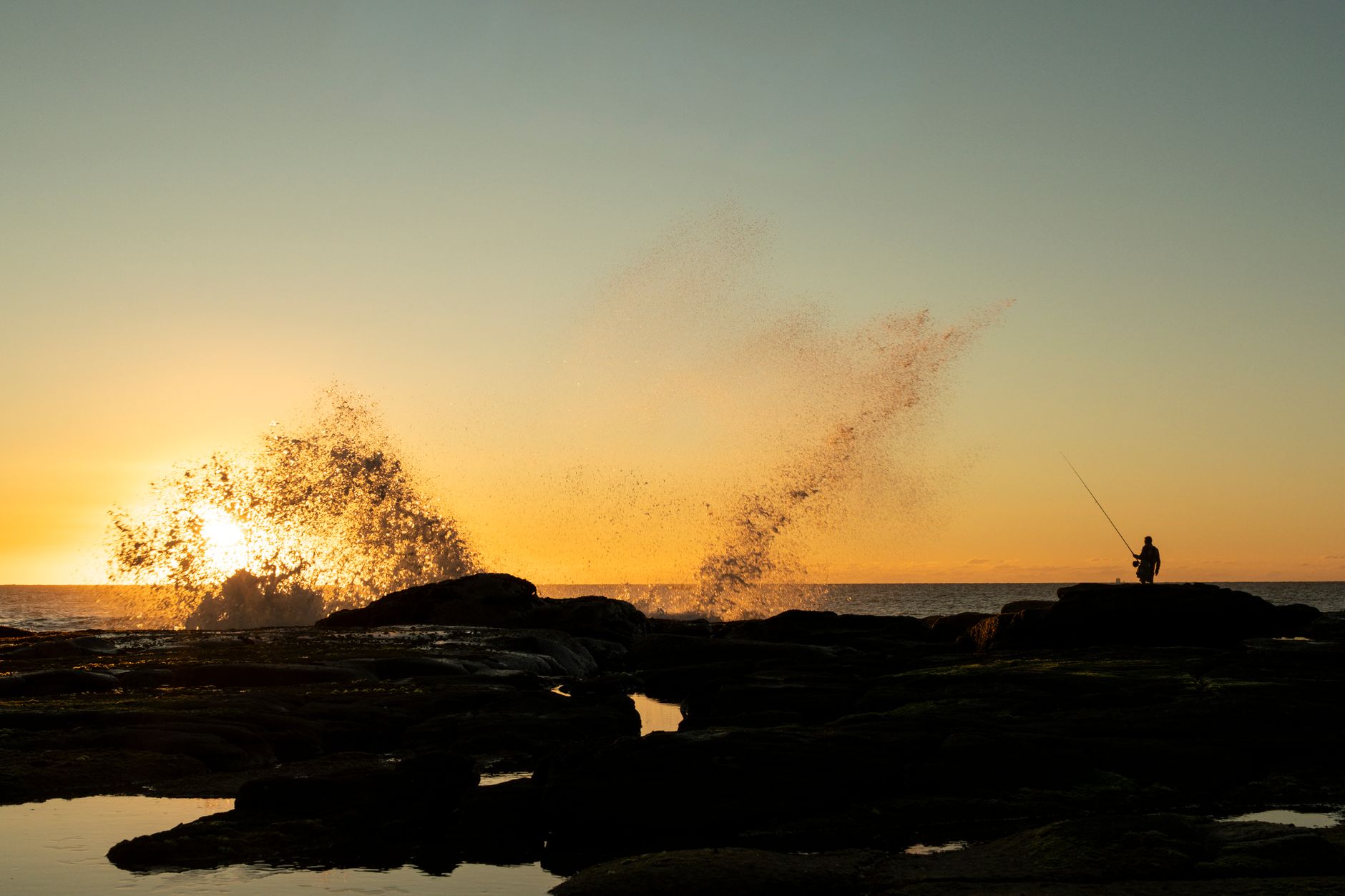
Wachsmuth, an angler himself, framed the fight as one about choice rather than ethics. "Hunting and fishing create bonds you can't find anywhere else," he said. People who reach their own conclusions about eating animals, he argued, should not force them on everyone else: "When you get to that point where you realize the truth and you're going to do everything in your life to support that, that's wonderful. But when you get to that point, give everybody else a chance to come to that point themselves. Don't force them into something that should be a choice."
Analysts have flagged how far the language reaches. As GearJunkie noted in its coverage, a legal deer harvest, a trapped furbearer and a hooked fish are all still animals under the proposal's definition — meaning ordinary recreational angling, not just commercial harvest, could carry criminal exposure if the exemptions vanish.
For now the measure is a signature-verification exercise. But its arrival on the November ballot would make it one of the most far-reaching attempts yet to put hunting and fishing rights to a public vote — a question the sport's supporters never expected to answer at the polls.