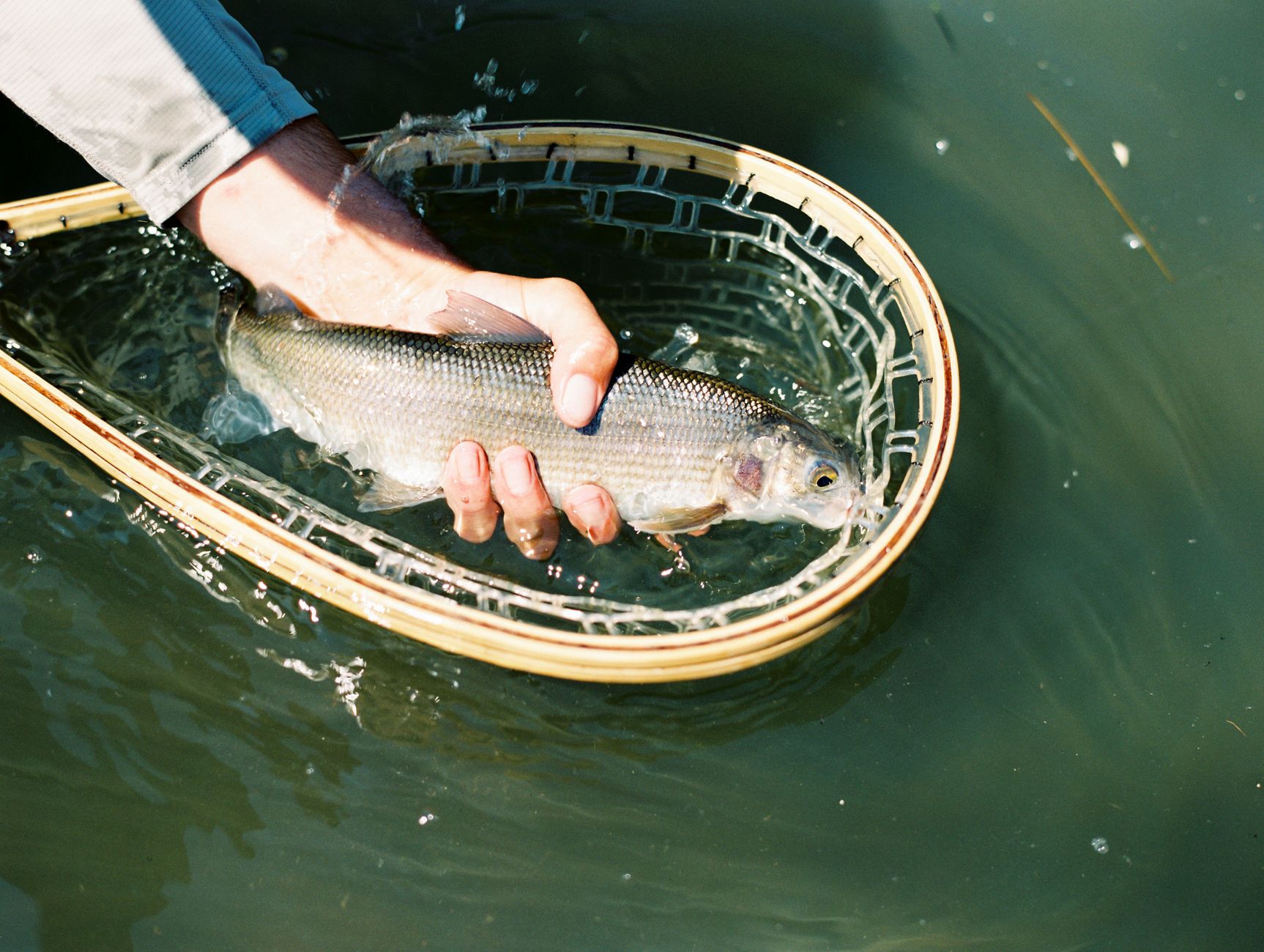
Having beaten a measure that would have criminalised catching a fish, Oregon anglers are now trying to make the question permanent — and there are two competing ways of doing it.
The first cleared a procedural gate this week. The Oregon Secretary of State's Elections Division referred Initiative Petition 25 to the state attorney general to draft an official ballot title and summary, which means backers met the sponsorship signature threshold. Filed as Petition 2028-025 and marketed as the Oregon Freedom Amendment, it would enshrine constitutional rights to hunt, fish, farm, trap, ranch, grow food, practise animal husbandry and participate in wildlife management.
"This is about protecting the people's ability to continue the practices that have helped sustain Oregon communities for generations," chief petitioner Kari Goodheart said. "Hunting, fishing, farming, ranching, trapping, growing food, caring for animals and managing wildlife are deeply connected to Oregon's land, culture, food supply and way of life."
A ballot title is an early milestone rather than qualification. The campaign still needs a full valid signature haul before November 2028.
The measure it answers came uncomfortably close. Initiative Petition 28 would have removed the hunting, fishing and livestock exemptions from Oregon's animal abuse laws, making anyone who harms, kills or breeds a vertebrate animal liable to prosecution. Elections officials found in late July that the campaign had turned in 104,262 signatures against 117,173 required, with under 74% of sheets valid on a second review. It was the third run since 2020 and the strongest.
"We petitioned until the very last day we could, but ultimately turned in fewer than what we needed," chief petitioner David Michelson wrote.
He was explicit that the campaign is not finished. "2026 will not be the year that Oregonians vote on protecting animals from being killed," Michelson wrote. "If our campaign continues to grow, as it has since 2020, then such a vote may come to fruition in a future."

With IP 28 dead, no statewide measure will appear on Oregon's November ballot at all — the first even-numbered year since 1966 without one.
The second response came earlier, and from the legislature rather than the initiative system. At White's Country Meats in Gresham on 4 August, state Senator Christine Drazan, the Republican nominee for governor, announced a 2027 resolution referring a constitutional amendment to voters guaranteeing the right to hunt, fish, gather wild foods and raise animals or crops. Senate Minority Leader Bruce Starr, House Minority Leader Lucetta Elmer, Senator David Brock Smith and Representative Court Boice joined her. Drazan leaves her Senate seat in January whatever the election result, so someone else must introduce the 1.5-page proposal.
"Oregon should not be the testing ground for extreme measures that threaten affordability, local food production, consumer choice and thousands of jobs that connect us with putting food on the table with our farms and ranches," Drazan said. "Activities like farming, ranching, hunting and fishing are all a part of our heritage, our economy and our everyday lives."
Her framing of the issue as bipartisan has some evidence behind it. IP 28 was opposed by elected officials in both parties, by the fishing, farming and ranching industries, and by Oregon's federally recognised tribes, whose treaty-protected hunting and fishing rights on traditional land would not have been exempted.
Evidence in the room was thinner. Drazan said she invited Democratic lawmakers from the Clackamas County area and heard nothing back.
"I think that that is not a big deal because the reality is all of them opposed IP 28," she said. "Nobody supported it, and the chief petitioner said: 'We're going to do this again and again and again,' and so I think that we will continue to establish alignment."
Starr's contribution showed how much the event doubled as a campaign stop: "With Governor Drazan's leadership and both parties working together, we can send this constitutional amendment to the voter." Oregon Farm Bureau president Angi Bailey and several farming and fishing industry figures also spoke.
Both routes land on the same November 2028 ballot. One needs a legislature; the other needs signatures. Michelson, for his part, has already told anyone listening that he intends to be back.