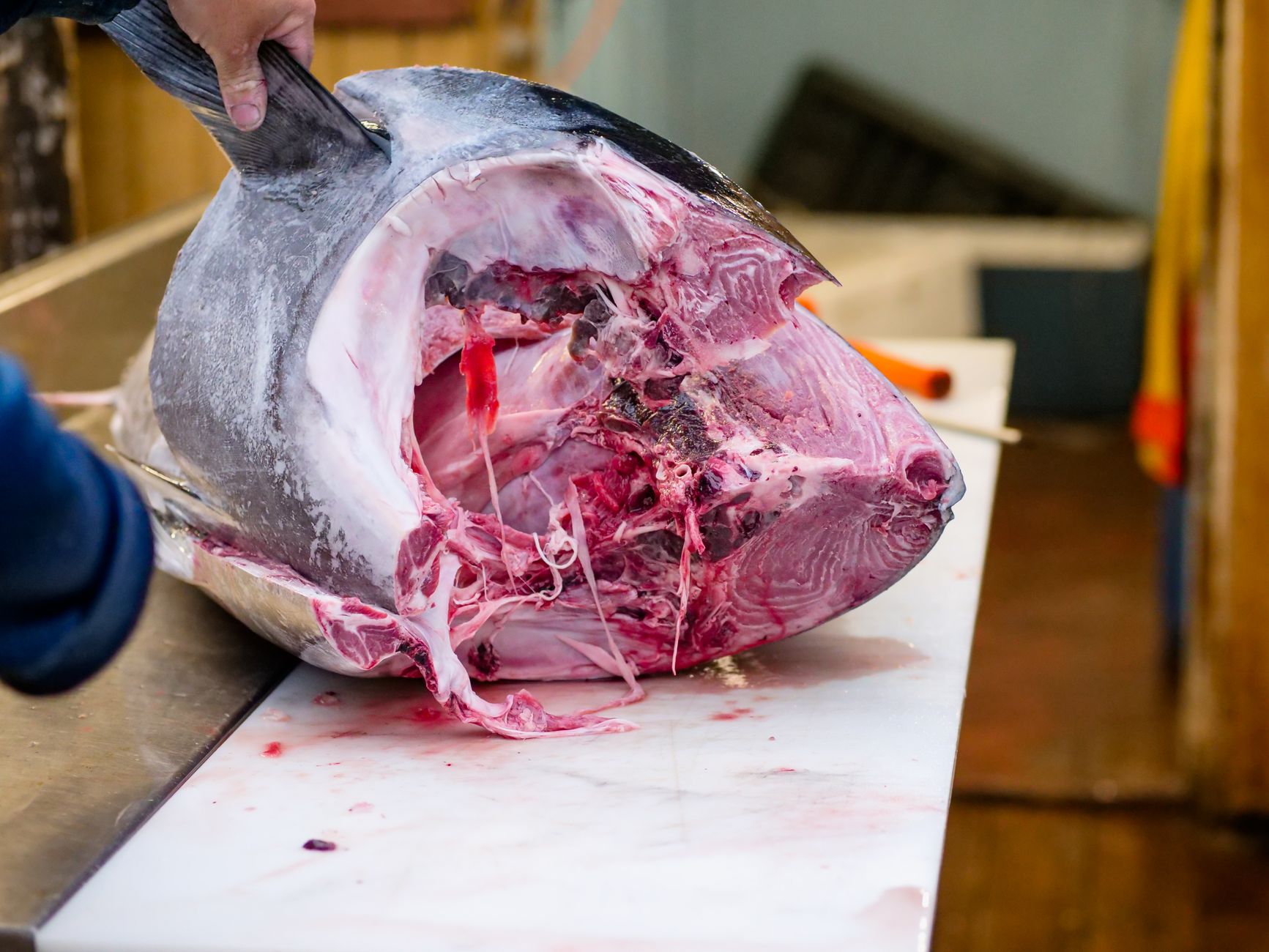
Five weeks after negotiators walked out of Nagasaki with nothing, Pacific bluefin tuna quotas are going up anyway.
An online meeting on 18 August, held behind closed doors, produced the agreement that the July session could not. The catch limit for larger bluefin in the Western and Central Pacific rises from 11,869 tonnes to 14,836 tonnes, roughly a quarter more. The limit on smaller fish falls from 5,125 tonnes to 4,823 tonnes, a cut of about 6%, because juveniles are the year classes that determine what the stock looks like in a decade.
Kyodo News, which first reported the outcome, described the resumption itself as unusual. The July working group of the Western and Central Pacific Fisheries Commission and the Inter-American Tropical Tuna Commission had run from 8 to 11 July with the aim of locking in a long-term harvest strategy and adjourned without one. Mexico objected late, worried that Japan and its regional neighbours would land more fish than the arithmetic suggested.
Japan spent August changing that position, and its farm minister was openly relieved.
"Given the outcome of the previous meeting in Nagasaki, I would like to very much welcome the fact that Mexico agreed (to new catch quotas) and we reached a consensus, even though there is more to negotiate," Norikazu Suzuki told a press conference.
Takumi Fukuda, the Fisheries Agency official who led Japan's delegation, put it more plainly. "We're still in a situation where we cannot let our guard down," he said. "We intend to remain vigilant and respond accordingly."
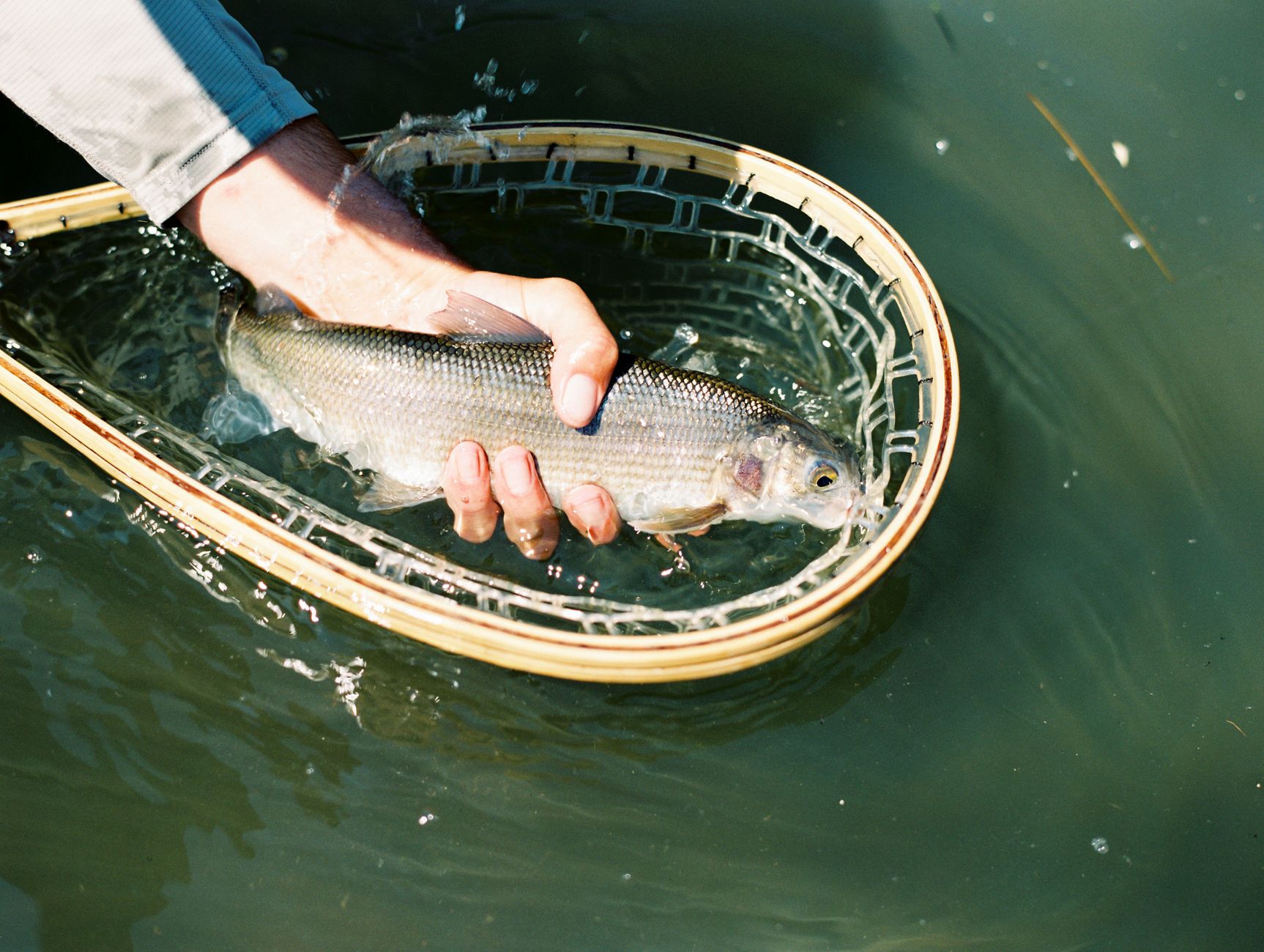
Pacific bluefin is a genuine recovery story. The population collapsed under overfishing, then rebuilt across a decade of unusually tight international limits. Both sides of the current argument rest on that fact: one reads it as headroom, the other as something not worth spending.
Dave Gershman, who runs The Pew Charitable Trusts' conservation work with Pacific regional fisheries management organisations, sits firmly in the second camp.
"For much of the last decade, Pacific bluefin management showed that when governments work together, they can bring a severely overfished species back from the brink of collapse," Gershman said. "But at a joint management meeting in Nagasaki, Japan, governments disregarded a tentative agreement they made in March to adopt a much-needed management procedure for the species at this convening."
The casualty in Nagasaki was the Newport Beach Management Procedure, a system that would set quotas automatically against measured stock levels rather than through annual bargaining. It had preliminary agreement going in. It died when Japan, Mexico and the United States each pushed for a bigger share of the impact ratio split between the eastern and western Pacific. The quota increase survived; the mechanism did not.

"The governments, which represent Pacific bluefin tuna fishing nations at the Inter-American Tropical Tuna Commission and the Western and Central Pacific Fisheries Commission, have allowed short-term economic interests and quota increases to take precedence over the long-term health and recovery of the fishery," Gershman said. That leaves Pacific bluefin, by his account, the only bluefin fishery in the world still running without a modernised precautionary management system.
The Atlantic is moving the same way. NOAA Fisheries confirmed on 18 August that it is implementing quota increases secured by the US delegation at the 2025 ICCAT meeting, taking the baseline annual bluefin quota from 1,316.14 to 1,509.58 metric tonnes and the pelagic longline bycatch set-aside from 25 to 62.5 tonnes, a 17% rise overall. North and South Atlantic swordfish and North Atlantic albacore quotas were also lifted for 2026 to account for 2025 underharvests.
The Pacific deal now goes to both commissions for ratification this year, with effect from 2027.