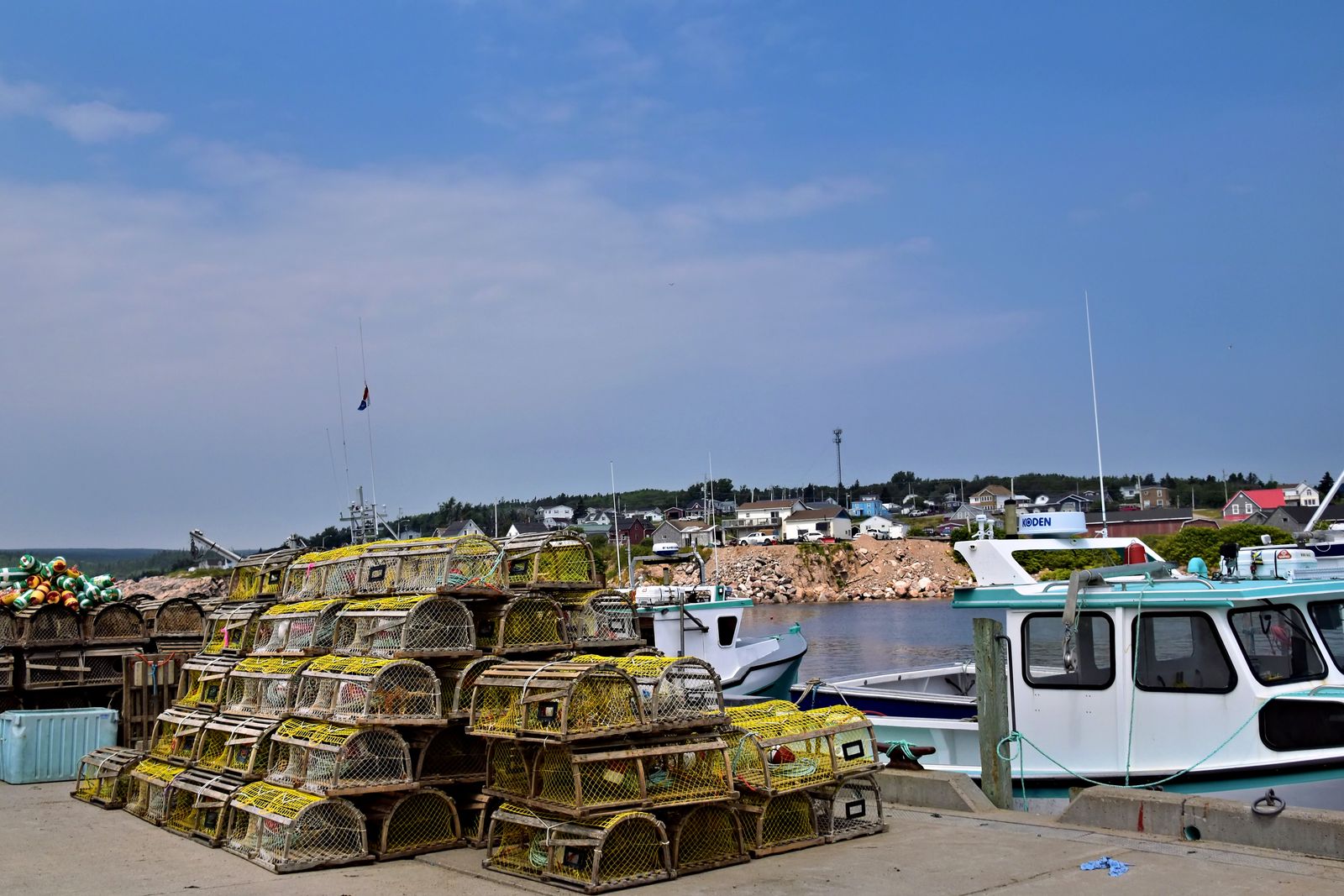
The community hall in Clark's Harbour, Nova Scotia held more than 200 lobster fishermen on July 29, and the mood was not one of negotiation. The fleet had learned that a package of management changes for Lobster Fishing Area 34 had already been sent to federal fisheries minister Joanne Thompson — without, in their telling, ever clearing the room where it was supposed to be debated.
LFA 34 takes in all of Yarmouth County and much of Shelburne and Digby. The recommendations would rework its six-month commercial season from 2026-27 onward. They came out of a sustainability project set up in 2025 with federal support, and the objection in the hall was aimed squarely at how the package travelled rather than at conservation itself.
Port representatives on Cape Sable Island called the emergency meeting. Some of those present referred to the group behind the proposals as a "secret committee."
"Nothing about these meetings have been up front," said Marty Atwood, a Cape Sable Island port representative and member of the LFA 34 advisory committee.
By Atwood's account the measures had already been refused where it counted. They were "all shot down at any meetings I was to, at the advisory committee meetings, and somehow they still found their way to the desk of the Minister of Fisheries in Ottawa," he said. "If we don't start fighting back for the only fishery we got, we're probably going to lose it."
The proposals themselves are wide-ranging. A fixed December 1 opening would replace the current last-Monday-of-November start, which is weather-dependent — a later date argued to suit market demand and support shore prices. Traps would need three escape vents, one in the door, oversized to 1 7/8 inches and phased in across the 2027 season. Spring tag allotments would go, fixing every licence holder at 375 pots all season.
There is also a governance piece: a combined financial and biological Target Reference Point, due by fall 2026, that would automatically trigger a Harvest Control Rule once crossed. And a fifth recommendation demands far tougher enforcement against illegal harvesting — larger fines, licence suspensions and cancellations — pointing to international IUU standards and Marine Stewardship Council certification.
Jerry Amirault, in a project summary circulated on social media, said the work had been extensive. "A lot of meetings and discussion have taken place since our steering group first met in the late spring of 2025," he wrote. "All of the findings from private conversations to fishermen meetings, as well as DFO discussion, are now in the hands of the minister in Ottawa."
Fisheries and Oceans Canada says the file is nowhere near settled. Debbie Buott-Matheson, manager of strategic communications for the department's Maritimes Region, confirmed DFO backed the harvester group in 2025 and that the recommendations reached two LFA 34 Advisory Committee meetings in June.
"There was good discussion of the recommendations at both meetings," she said. "However, more conversation and focused consultation are required to determine next steps." The Southwest Nova Scotia Area Office, she added, "will continue working with the advisory committee and will help to facilitate future discussions with LFA 34 fishers." No management changes have been made.
Dan Fleck, executive director of the Brazil Rock 33/34 Lobster Association, drew the procedural line sharply.

"DFO takes its recommendations from the LFA advisory process that we have, and the LFA 34 advisory committee has not made any recommendations to DFO, so no changes or amendments to the management plan would be made this year," Fleck said.
"A lot of people do identify something needs to be done," he said. "Exactly what needs to be done or what's next... something needs to occur to get this stabilized. Is it all Mother Nature? Is it global warming? Is it the water temperatures? Is it over exploitation?"
That uncertainty is the reason the fleet's position is narrower than a flat refusal. The petition signed at the meeting told the minister that licence holders "are not opposed to conservation measures for the benefit of the stock and all involved," but want "more study, consultation and discussion" before changes that "will dramatically negatively alter the landscape in District 34 for future generations."
Two further complaints surfaced repeatedly. Fishermen asked why LFA 34 alone faces this review while LFAs 33, 35 and 41 do not — "we can't fix everything sitting in the middle," one said. And they pressed hard on the illegal summer lobster fishery and weak enforcement, arguing that policing the water should precede any new burden on licensed harvesters.
The scale explains the temperature of the argument. LFA 34 holds 978 licences. Preliminary DFO figures for 2024-25 show 14,742 tonnes landed at a value near $349 million, making it one of the richest lobster grounds anywhere in Canada.