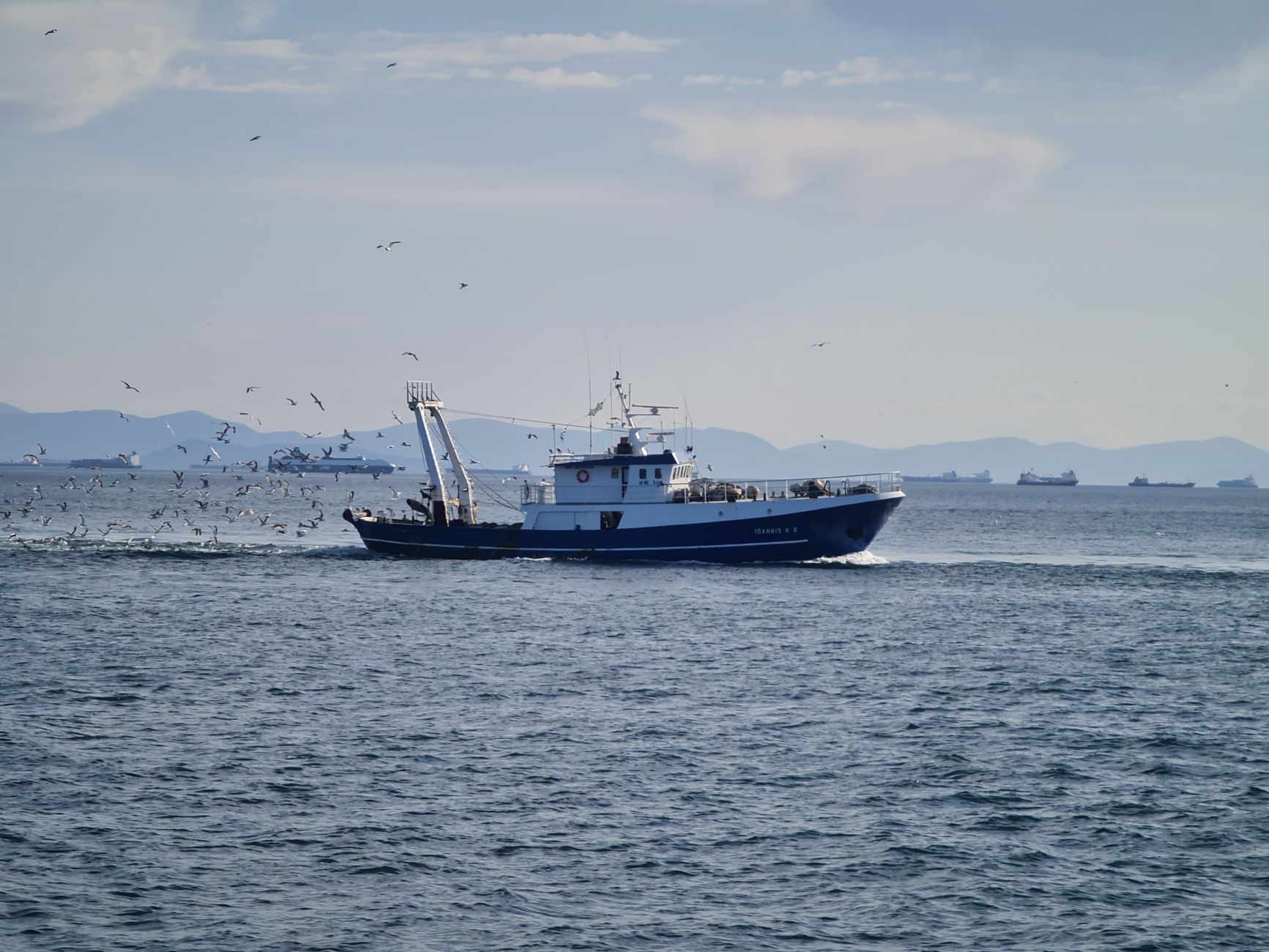
For the first time in more than a decade, harvesters off eastern Newfoundland will be allowed to fish for northern shrimp again -- one of a pair of decisions from Ottawa this summer that conservation scientists warn may be moving too fast.
Federal Fisheries Minister Joanne Thompson announced in late June that the commercial northern shrimp fishery in Shrimp Fishing Area 7, the domestic waters off eastern Newfoundland and Labrador, will reopen for the 2026-2027 season with a total allowable catch of 1,367 tonnes. The area had been shut since 2015, when the stock was judged to be in poor condition and closed to protect it. A new stock-assessment framework introduced last year placed the shrimp population in what the Department of Fisheries and Oceans calls the 'healthy zone,' clearing the way for a limited commercial season.
"The shrimp fishery supports thousands of jobs on Canada's east coast," Thompson said. "By reopening the commercial fishery in SFA 7, we are continuing to support the fishing industry on Canada's east coast and everyone who makes a living from it."
The reopening followed a bigger announcement two weeks earlier: a 55 percent increase in the northern cod quota, from 38,000 to 59,000 tonnes. It was the first cod increase to come with the stock rated in the healthy zone since the catastrophic 1992 moratorium that idled tens of thousands of Newfoundland workers. Ottawa steered 70 percent of the cod catch to the inshore fleet, lifting its share to 41,300 tonnes.
"Northern cod is part of who we are in Newfoundland and Labrador," Thompson said. "This increase in the Total Allowable Catch is what science-based management and real conversations with harvesters, Indigenous communities, our provincial partners, and industry make possible."
Conservation scientists read the same numbers very differently. Oceana Canada argues the government is banking short-term catches against a recovery that is not finished. "Increasing the quota for northern cod prioritizes short-term catches over the long-term stability of this fishery," said Rebecca Schijns, a fishery scientist with the group, who noted the stock is not yet fully rebuilt. "DFO should make decisions that strengthen recovery and result in a stable and resilient stock and fishery."
The organization's sharpest criticism targets capelin -- the small forage fish that cod eat -- whose quota was left unchanged at 14,533 tonnes. "Minister Joanne Thompson is moving forward with short-sighted management that fails to prioritize the long-term growth of Canada's fish populations," said marine scientist Jack Daly. He argued that a fishery on spawning capelin undercuts the cod comeback it is meant to support: "Continuing to allow a commercial capelin fishery that targets roe-bearing females will not lead to long-term abundance." Daly called on the department to "adopt a precautionary, ecosystem-based approach that protects these critical small fish that drive an abundant, resilient ocean."
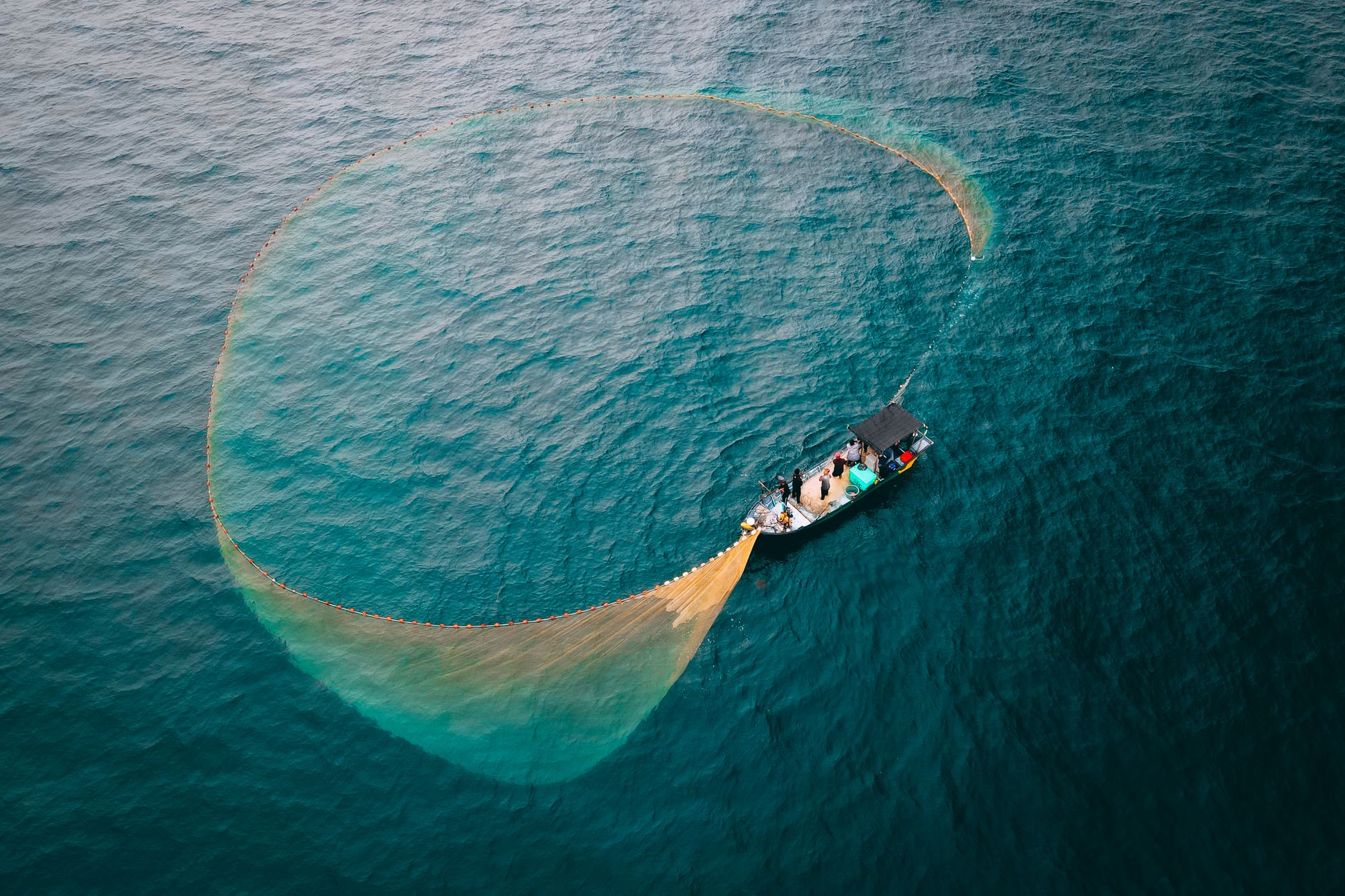
For now, the practical details are set. DFO says it will 'continue to closely monitor the status of the stock,' and a 9.4 percent historical share once held by a Prince Edward Island consortium will be kept in reserve pending further analysis. The traps go back in the water either way -- the argument over whether that is a recovery or a gamble is only beginning.