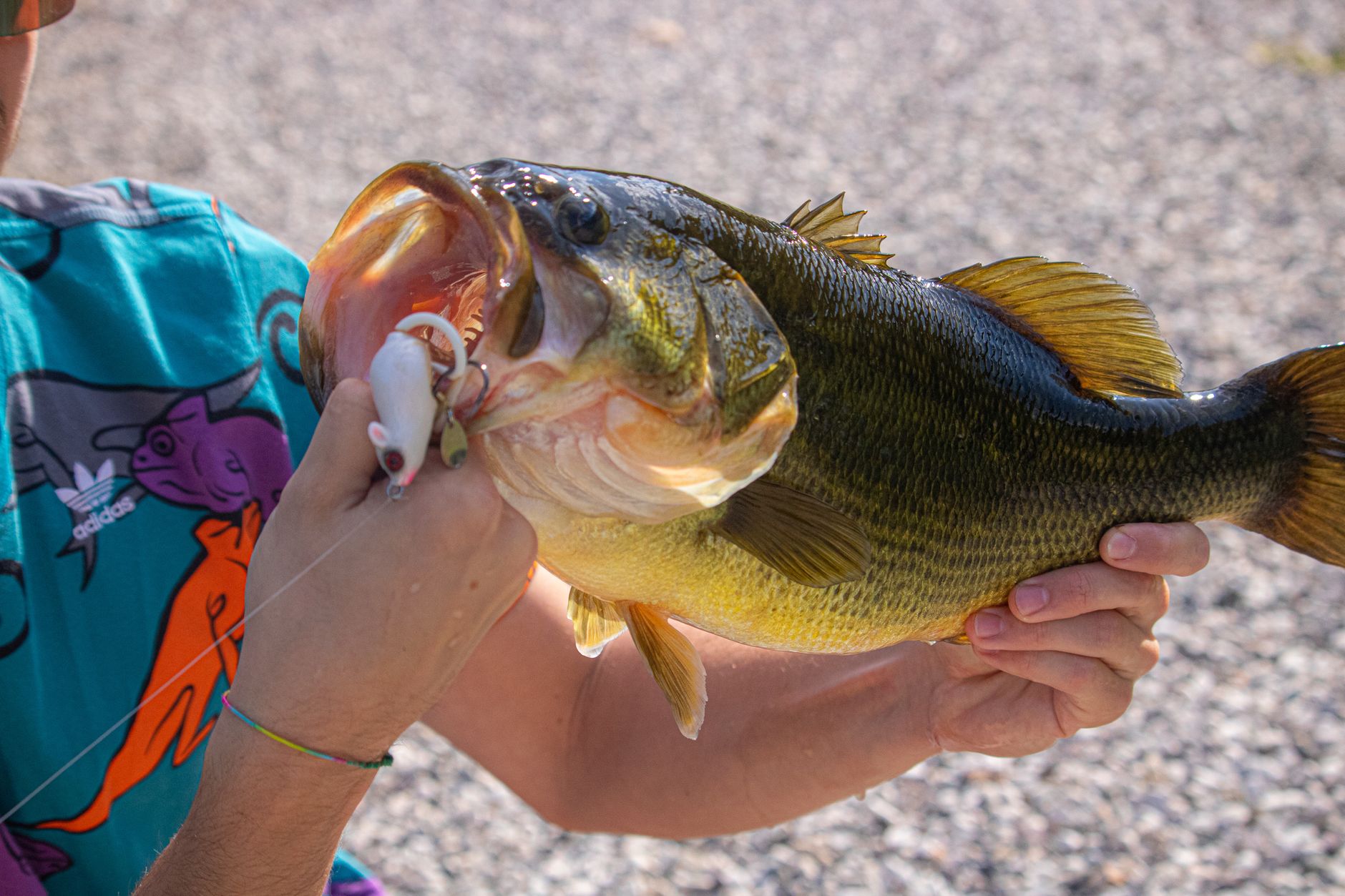
For the first time, New York knows precisely how much competitive bass fishing happens on its waters — and the answer surprised even the biologists who gather the data.
Under a new permitting and reporting system, the state's Department of Environmental Conservation issued 802 bass tournament permits in 2025, its first full year of tracking. Eighty-one percent went to New York organisations, and directors filed reports on 83 percent of permitted events. In all, 98 different waterbodies hosted a tournament.
The headline was the ranking of the busiest lakes. Lake Champlain, on the Vermont border, led with 72 permitted tournaments. But the number-two water was not one of the famous names. Onondaga Lake — a small, once-notoriously polluted lake beside Syracuse — hosted 48 tournaments, despite Champlain holding nearly 200 times more water by volume.
"It's pretty crazy," said Jeff Loukmas, the DEC's warm water fisheries unit leader. "I personally was not expecting to see that, because Onondaga isn't one of these lakes that's in the national spotlight."
Rounding out the top waters by permits were Oneida Lake (45), Cayuga Lake (45), Conesus Lake (43) and the Erie Canal (34). Motorised boat tournaments dominated, at 90 percent of permits, with kayak events and open shore-or-boat formats each making up 5 percent.
The catch data underlines why anglers keep coming back. Across all reported tournaments, 51,105 black bass were weighed — 29,093 largemouth and 22,012 smallmouth. The biggest largemouth, an 8.5-pound, 22.2-inch fish, came from Cayuga Lake. The heaviest smallmouth hit 8 pounds on the St. Lawrence River, while a 22-inch smallmouth was recorded at North Sandy Pond in Oswego County.
Onondaga's comeback stands out in those numbers as well. The lake ranked second statewide for the average weight of its biggest largemouth, at 5.74 pounds, and produced a 7.9-pound largemouth over the season — striking for a water that was, for decades, better known as an industrial dumping ground than a fishery.
Loukmas credited the anglers themselves for making the system work. "Tournament directors in general have been really good about it," he said. "They've really bought in."
The value of the data is that it finally gives managers a picture of pressure they could previously only guess at. New York has long drawn tournament traffic without anyone knowing its true scale. The state, Loukmas said, is "in the national spotlight" for bass fishing — "we get a lot of tournament attention, and we just didn't have a means to understand what the extent of that activity is."
That matters because tournament fishing, even when catch-and-release, carries a footprint. Of the permitted events, 690 brought fish to a central site for weigh-in and scoring, while 112 were catch-measure-release formats that never remove a fish from where it was caught. Delayed mortality and the displacement of bass moved and released at ramps are long-running concerns for fisheries scientists, and a full census of who is fishing where is the first step to measuring it.